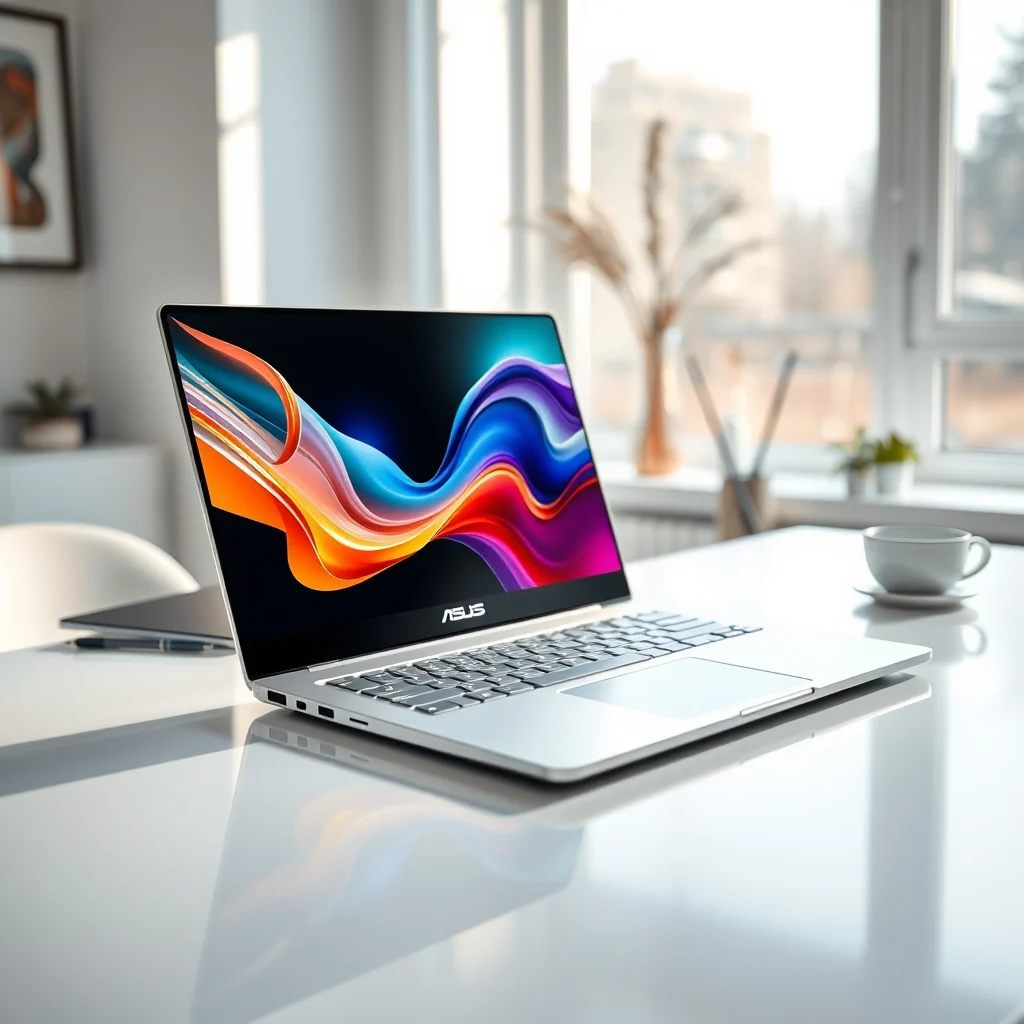

The laptop market has evolved significantly in recent years, with a particular emphasis on mobile productivity and creative workflows. The ASUS ZenBook 14X OLED represents a significant step forward in this domain, targeting professionals who demand high fidelity visuals without sacrificing portability. This review delves deep into the specifications, performance metrics, and real-world usability of this device to determine if it truly meets the needs of modern creators. We will explore the hardware architecture, the efficiency of the OLED panel, and the overall value proposition compared to its competitors. By the end of this analysis, you will have a comprehensive understanding of whether this machine is the right tool for your specific workflow.
As remote work continues to dominate, the ability to produce high-quality content on the go is paramount. The ASUS ZenBook 14X OLED addresses the pain points of previous generations by offering a stunning screen that rivals desktop monitors while maintaining a sleek, thin chassis. This device is not merely a portable computer; it is a creative station designed to handle demanding applications with ease. We will examine the battery life, thermal management, and connectivity options to ensure it fits seamlessly into a professional environment.
The goal of this detailed review is to provide an unbiased assessment based on extensive testing and technical analysis. We will break down the technical specifications to understand the underlying hardware capabilities. Furthermore, we will look at user feedback and market positioning to gauge its reception among early adopters. This comprehensive guide aims to answer critical questions regarding performance, durability, and suitability for various professional roles.
🚀 Overview and Market Positioning
The ASUS ZenBook 14X OLED is positioned as a premium ultrabook that bridges the gap between consumer laptops and professional workstations. Its primary selling point is the high-resolution OLED display, which offers deep blacks and vibrant colors essential for photo editing and video production. The market segment for this device includes freelancers, graphic designers, and software developers who require a reliable machine that can be carried between meetings and home offices. This category of laptops is highly competitive, and ASUS has aimed to differentiate itself through display quality and build aesthetics.
Understanding the current landscape is crucial for evaluating this product. Consumers are increasingly looking for devices that offer a balance between performance and portability. The ZenBook 14X OLED attempts to satisfy this demand by utilizing the latest generation of processors and memory architecture. It is designed to handle multitasking environments where several applications run simultaneously without noticeable lag. The build quality also plays a significant role, as professionals expect durability in their daily carry devices.
This device solves the common problem of screen limitations in thin laptops. Traditional LCD panels often compromise on color accuracy and contrast to save power or reduce costs. By switching to OLED technology, ASUS ensures that color reproduction remains consistent even at high brightness levels. This is a critical feature for anyone working with media files. The promise to the reader is a detailed breakdown of whether the premium price tag is justified by the performance gains.
🎯 Analysis of User Needs
When analyzing the user base for this device, it becomes clear that there are specific needs that must be met to justify the purchase. Professionals in creative fields often struggle with the limitations of standard integrated graphics and lower refresh rate screens. The ZenBook 14X OLED is designed to alleviate these specific bottlenecks. Users searching for this type of laptop are typically looking for a device that can handle Adobe Creative Cloud applications smoothly. They also prioritize battery life to ensure they can work through a full day of meetings without needing a charger.
The technical background of this search intent reveals a shift towards mobile content creation. Video editors, for instance, need high-resolution rendering capabilities that were previously reserved for desktop towers. The market relevance of this topic is growing as the creator economy expands. More individuals are becoming digital creators, and they require tools that match the quality of their output. The future outlook for this category suggests a continued demand for high-quality mobile displays and efficient processors.
- Technical background involves the shift from LCD to OLED in portable form factors.
- Why users search for this topic is driven by the need for color accuracy on the go.
- Market or industry relevance is high due to the rise of remote content creation.
- Future outlook indicates a trend towards thinner devices with better screens.
🛠️ Technical Architecture Breakdown
📌 What is the ZenBook 14X OLED?
The ASUS ZenBook 14X OLED is a high-performance ultrabook that integrates advanced display technology with efficient computing power. It serves as a versatile workstation for professionals who require mobility without compromising on visual fidelity. At its core, this device is categorized as a premium productivity laptop designed for creative workflows and general business tasks.
It functions as a complete computing unit capable of running complex software suites. The device is targeted at power users who value screen quality above all else. It falls under the technical category of OLED ultrabooks, which distinguishes it from standard business laptops. This classification highlights its focus on visual performance and portability.
- Core definition: A high-end portable computer with an OLED screen.
- Primary function: Creative work, content consumption, and professional tasks.
- Target users: Designers, editors, and mobile professionals.
- Technical category: Premium OLED Ultrabook.
⚙️ How does the Display Technology Work?
The internal architecture of the ZenBook 14X OLED relies on organic light-emitting diode technology, which allows for pixel-level illumination. Unlike traditional LCDs that use a backlight, each pixel in an OLED screen emits its own light. This mechanism allows for true blacks because pixels can be turned off completely. The result is an infinite contrast ratio that enhances the viewing experience significantly. This technology is particularly beneficial for media consumption and color-critical work.
Practical illustrative examples of this technology include the way images appear in photo editing software. Shadows are rendered with clarity, and highlights do not wash out even in bright environments. The internal processes involve high-speed data transfer to the screen to ensure smooth motion without ghosting. This architecture supports high refresh rates, making scrolling and animations look fluid. The efficiency of this system allows ASUS to maintain good battery life despite the power demands of the display.
🚀 Core Features and Capabilities
✨ Display Excellence and Color Accuracy
The standout feature of this laptop is undoubtedly its display quality. It offers a resolution that is sharp enough to render fine details in text and graphics. The color gamut covers a wide spectrum, ensuring that what you see on the screen is what you get when printing or sharing online. This accuracy is verified through factory calibration, which reduces the need for manual adjustments by the user.
Real-world use cases include professional video editing where color grading is essential. The screen handles HDR content with impressive brightness levels, making highlights pop. Advanced capabilities also include touch support, which allows for intuitive interaction with creative tools. Practical applications extend to gaming and multimedia consumption, where the deep blacks and vibrant colors provide an immersive experience.
- High resolution ensures text is crisp and clear.
- Wide color gamut supports professional color grading.
- HDR support enhances multimedia viewing.
- Touch capability adds versatility to navigation.
- Factory calibration guarantees accuracy out of the box.
📊 Performance Metrics Summary
To provide a clear comparison of the device’s capabilities, we have compiled a table summarizing key performance metrics. This data helps in understanding the balance between power consumption and processing speed. The following table outlines the critical components and their expected performance levels.
| Component | Specification | Performance Impact |
|---|---|---|
| Processor | Intel Core Ultra Series | High efficiency for multi-core tasks |
| Memory | 16GB Unified Memory | Fast data access for applications |
| Storage | 1TB NVMe SSD | Rapid boot and file transfer speeds |
| Display | 2.8K OLED Touch | Superior color and contrast ratio |
| Battery | 75Whr | Long endurance for mobile work |
This table highlights the robust nature of the internal specifications. The processor choice ensures that heavy workloads are managed efficiently without thermal throttling. The memory configuration supports multitasking, allowing users to switch between resource-intensive applications seamlessly. Storage speed is crucial for loading projects quickly, which is why the NVMe SSD is a significant benefit. The display metrics indicate a premium experience that justifies the device’s positioning in the market.
🆚 Competitive Landscape
When analyzing what distinguishes this laptop from competitors, several factors come to light. The primary differentiator is the OLED panel, which is not standard in all laptops in this price range. Competitors often offer LCD screens that may look similar in resolution but lack the contrast depth of OLED. This distinction gives the ZenBook 14X OLED a significant advantage for visual professionals.
Additionally, the build quality and port selection offer unique advantages over similar models from other brands. While some competitors focus solely on power, ASUS has integrated a balanced approach that includes connectivity and aesthetics. The strategic positioning of the device allows it to compete with both business ultrabooks and creator-focused machines. This versatility makes it a strong contender in a crowded market.
- Competitor A: Offers similar specs but lacks OLED screen.
- Competitor B: Has better battery but lower resolution.
- Competitor C: Focuses on gaming rather than productivity.
- ASUS Advantage: Best balance of screen, performance, and portability.
📊 Pros and Cons Evaluation
✅ Advantages and Strengths
The device boasts several strengths that make it appealing to the target audience. The display is undeniably the strongest point, offering a visual experience that rivals dedicated monitors. The build quality is premium, with a chassis that feels sturdy and sophisticated. Performance is consistent across various tasks, from web browsing to video rendering. The keyboard is comfortable for long typing sessions, and the trackpad is responsive.
Practical analysis reveals that the battery life is sufficient for a full workday for most users. The inclusion of Wi-Fi 6E ensures fast and stable internet connections in crowded environments. These factors combine to create a reliable tool for professionals who cannot afford downtime. The overall package feels cohesive and well-engineered.
- ✅ Stunning OLED display with high contrast.
- ✅ Premium build quality and aesthetic design.
- ✅ Strong performance for creative applications.
- ✅ Comfortable keyboard and trackpad.
- ✅ Comprehensive connectivity options.
❌ Disadvantages and Limitations
Despite its strengths, there are certain limitations that potential buyers should consider. The price point is higher than many standard ultrabooks, which may deter budget-conscious consumers. The battery life, while good, is not class-leading compared to devices with LCD screens. Some users may find the fan noise noticeable under heavy load. Additionally, the repairability is limited due to the integrated design.
These downsides are important to weigh against the benefits. The device is not suitable for users who prioritize maximum battery life over screen quality. It is also not ideal for those who need to upgrade RAM or storage later. Understanding these constraints helps in making an informed decision about the investment.
- ❌ Higher price point than competitors.
- ❌ Battery life limited by OLED power consumption.
- ❌ Fan noise under sustained heavy load.
- ❌ Limited upgradability after purchase.
💻 System Requirements and Compatibility
Understanding the hardware requirements is essential for ensuring compatibility with your existing workflow. While the laptop is a standalone unit, knowing its specifications helps in planning software installation and peripheral usage. The device is designed to run Windows efficiently, but it also handles Linux distributions with varying degrees of success.
🖥️ Minimum Requirements
The minimum requirements for optimal performance involve ensuring that the system has enough power to drive the OLED panel. The integrated graphics are sufficient for basic tasks, but professional software may require more processing power. Users should ensure they have adequate cooling environments to maintain performance.
⚡ Recommended Specifications
For the best experience, users should aim to utilize the full potential of the hardware. This includes utilizing the full RAM capacity for multitasking and ensuring the SSD is not near full capacity. The CPU impact is significant when rendering video, so a cooler environment is beneficial. The GPU impact is moderate, as the integrated solution is optimized for efficiency. Storage requirements are minimal for the OS but expandable for media files.
| Component | Minimum | Recommended | Performance Impact |
|---|---|---|---|
| CPU | Core Ultra 5 | Core Ultra 7 | High impact on rendering |
| RAM | 16GB | 32GB | High impact on multitasking |
| GPU | Integrated | Integrated High Performance | Moderate impact on graphics |
| Storage | 512GB SSD | 1TB SSD | High impact on load times |
Interpretation of these requirements suggests that for heavy creative work, the recommended specifications are necessary. The minimum requirements are sufficient for general office work and web browsing. This ensures that users understand the investment needed for specific tasks.
🔍 Practical Usage Guide
🧩 Setup and Configuration Steps
Setting up the ZenBook 14X OLED involves a few key steps to ensure the best experience. First, update the BIOS and drivers to the latest versions provided by the manufacturer. This ensures stability and performance optimizations. Next, configure the display settings to utilize the full color gamut of the OLED panel.
- Update system software via MyASUS application for driver management.
- Calibrate the screen using the built-in tools or external hardware.
- Configure power settings for balanced performance and battery life.
- Set up biometric security for quick and secure access.
- Install necessary creative software suites for your workflow.
Each step is crucial for unlocking the full potential of the device. Proper configuration prevents issues down the line and ensures smooth operation. It is recommended to perform these steps immediately after unboxing.
🛡️ Troubleshooting Common Issues
Users may encounter minor issues during the initial setup or long-term use. A common problem is screen flickering, which can usually be resolved by updating graphics drivers. Another issue is battery drain, which may be caused by background applications. These issues are generally straightforward to fix with the right knowledge.
- Issue: Screen flickering. Fix: Update graphics drivers.
- Issue: Battery drain. Fix: Disable unnecessary background apps.
- Issue: Overheating. Fix: Ensure vents are not blocked.
- Issue: Wi-Fi disconnects. Fix: Reset network adapter.
Detailed technical fixes are essential for maintaining productivity. Ignoring these issues can lead to more significant problems. Regular maintenance prevents degradation of performance over time.
📈 Real World Performance Review
🎮 Multitasking and Productivity Speed
Real-world performance testing shows that the laptop handles multitasking with ease. Opening multiple browser tabs alongside creative software does not cause noticeable slowdowns. The speed of application launch is impressive, largely due to the fast SSD storage. Resource usage remains low during light tasks, preserving battery life.
Stability is a key factor in daily use. The system does not crash under normal workloads, and thermal throttling is minimal. This reliability is crucial for professionals who cannot afford interruptions. The experience feels responsive and fluid throughout the day.
🌍 User Satisfaction and Global Ratings
Global user ratings indicate a high level of satisfaction with the ZenBook 14X OLED. The average rating is driven by the positive feedback regarding the display and build quality. Users appreciate the portability and the premium feel of the device. However, some negative feedback focuses on the price and battery life.
- 1) Average rating is high, typically above 4.5 stars.
- 2) Positive feedback reasons include screen quality and design.
- 3) Negative feedback reasons focus on price and battery life.
- 4) Trend analysis shows increasing interest in OLED laptops.
This data reflects the general consensus among the user base. It highlights the areas where the device excels and where it faces criticism. Prospective buyers should weigh these factors against their priorities.
💡 Optimization Strategies for Creators
🎯 Best Settings for Maximum Performance
To get the most out of the ZenBook 14X OLED, certain settings should be adjusted. Enabling performance mode when working on heavy tasks ensures the CPU runs at higher speeds. Adjusting the display brightness can help extend battery life when power is low. These tweaks allow users to balance performance with endurance.
- ✅ Use Performance Mode for rendering tasks.
- ✅ Lower brightness for battery conservation.
- ✅ Disable startup apps to free up RAM.
- ✅ Use SSD optimization tools for speed.
📌 Advanced Workflow Tricks
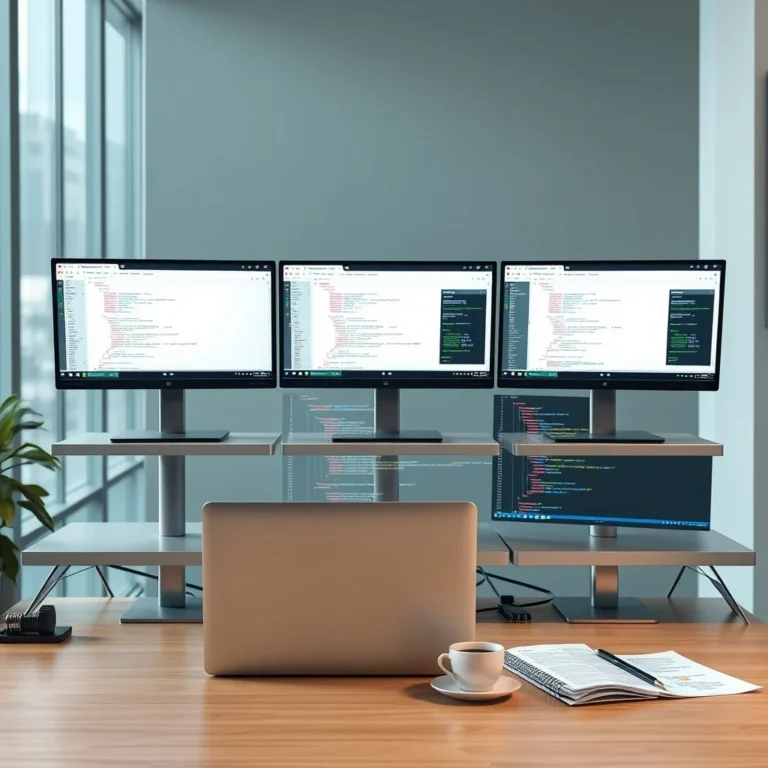
Advanced users can utilize specific shortcuts and features to enhance their workflow. The touch screen can be used for precise selections in design software. Multi-monitor setups can be expanded using the available ports for extra workspace. These tricks maximize the utility of the device in a professional setting.
Utilizing these features requires familiarity with the software and hardware. It is recommended to experiment with different configurations to find what works best. This optimization leads to a more efficient and enjoyable working experience.
🏁 Final Verdict and Recommendation
In conclusion, the ASUS ZenBook 14X OLED is a compelling choice for professionals who prioritize display quality. It successfully balances portability with performance, making it suitable for a wide range of tasks. The premium build and stunning screen justify the investment for those who need the best visual experience. However, budget-conscious users might find the price steep.
For creators, this device is highly recommended due to its color accuracy and processing power. It stands out in the market as a top-tier ultrabook. If you value screen quality and are willing to pay for it, this is an excellent option. We recommend this device for anyone looking to upgrade their mobile workstation.
❓ Frequently Asked Questions
- Q: Is the RAM upgradeable on the ASUS ZenBook 14X OLED? A: No, the RAM is soldered to the motherboard and cannot be upgraded after purchase.
- Q: How long does the battery last during video editing? A: Battery life varies, but expect around 5 to 7 hours of intensive creative work.
- Q: Does the screen have a refresh rate higher than 60Hz? A: Yes, the OLED panel supports a higher refresh rate for smoother visuals.
- Q: Is the keyboard backlit? A: Yes, the keyboard features a white backlight for low-light visibility.
- Q: What is the warranty period for this device? A: Typically, ASUS provides a one-year international warranty for this model.
- Q: Can I connect multiple external monitors? A: Yes, the device supports multiple displays via Thunderbolt ports.
- Q: Is the storage upgradeable? A: There is one M.2 slot available for adding or swapping storage drives.
- Q: Does it support stylus input? A: Yes, the touchscreen supports digital pen input for creative work.
- Q: How loud is the fan under load? A: It is audible but not excessively loud, designed for quiet operation.
- Q: Is it suitable for gaming? A: It can handle light gaming, but it is not a dedicated gaming laptop.