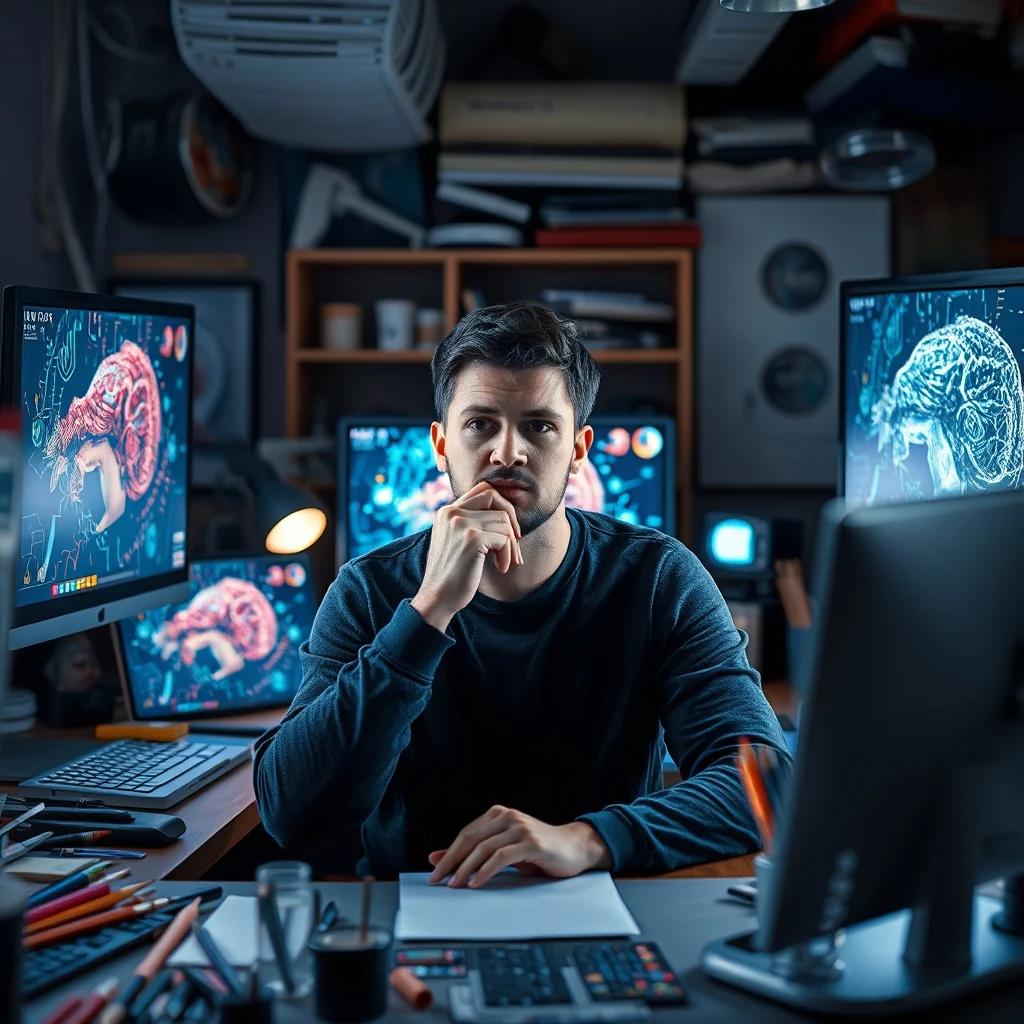

In the rapidly evolving landscape of digital art, the advent of AI-generated art has sparked a complex ethical and legal debate. Platforms like Midjourney and DALL-E have revolutionized the way art is created, but they have also raised significant questions about copyright, originality, and the role of human artists. This article delves into the intricacies of this dilemma, examining the legal battles, artist backlash, and the broader implications for the future of creativity.
📰 Introduction
The rise of AI-generated art has been nothing short of meteoric. Tools like Midjourney and DALL-E allow users to create stunning visuals with just a few text prompts. However, this technological leap has not been without controversy. As AI-generated art becomes more prevalent, it challenges traditional notions of creativity and authorship. This article aims to explore the ethical and legal issues surrounding AI-generated art, providing insights from digital artists and industry experts.
AI-generated art raises fundamental questions about the nature of creativity. Is art created by an AI truly original, or is it merely a derivative work based on existing data? These questions are not just academic; they have real-world implications for copyright law and the livelihoods of human artists. As AI continues to advance, it is crucial to understand the ethical and legal frameworks that will govern this new form of artistic expression.
🔹 Overview Section
AI-generated art has become a hot topic in the art world, with platforms like Midjourney and DALL-E leading the charge. These tools use advanced algorithms to create images based on textual descriptions, blurring the lines between human creativity and machine intelligence. The ethical and legal implications of this technology are vast, affecting everything from copyright law to the future of artistic expression.
This article will provide a comprehensive overview of the ethical and legal issues surrounding AI-generated art. We will examine the legal battles that have emerged, the backlash from the art community, and the broader implications for the future of creativity. Through interviews with digital artists and industry experts, we will gain a deeper understanding of the challenges and opportunities presented by AI-generated art.
🎯 Analysis Section
AI-generated art has sparked a heated debate about the nature of creativity and authorship. As AI tools like Midjourney and DALL-E become more sophisticated, they raise important questions about the role of human artists in the creative process. This section will analyze the technical background, market relevance, and future outlook of AI-generated art.
- Technical Background: AI-generated art relies on complex algorithms that analyze vast amounts of data to create new images. These algorithms are trained on existing artworks, learning patterns and styles that they can then replicate and combine in novel ways.
- Why Users Search for This Topic: As AI-generated art becomes more prevalent, users are increasingly interested in understanding the ethical and legal implications of this technology. They want to know how AI-generated art fits into the broader landscape of artistic expression and what it means for the future of creativity.
- Market or Industry Relevance: The market for AI-generated art is growing rapidly, with platforms like Midjourney and DALL-E attracting a large and diverse user base. This growth has significant implications for the art industry, affecting everything from copyright law to the way art is created and consumed.
- Future Outlook: As AI continues to advance, it is likely that AI-generated art will become even more sophisticated and widespread. This raises important questions about the future of artistic expression and the role of human artists in a world where machines can create art.
🛠️ Technical Concept Section
📌 What is AI-Generated Art?
AI-generated art refers to visual art created by artificial intelligence algorithms. These algorithms use machine learning techniques to analyze existing artworks and generate new images based on textual descriptions. Platforms like Midjourney and DALL-E are leading examples of this technology, allowing users to create stunning visuals with just a few text prompts.
- Core Definition: AI-generated art is visual art created by artificial intelligence algorithms.
- Primary Function: These algorithms analyze existing artworks and generate new images based on textual descriptions.
- Target Users: Digital artists, designers, and anyone interested in exploring the creative potential of AI.
- Technical Category: Machine learning, deep learning, and natural language processing.
⚙️ How Does It Work in Detail?
AI-generated art relies on complex algorithms that use machine learning techniques to analyze existing artworks and generate new images. These algorithms are trained on vast datasets of images, learning patterns and styles that they can then replicate and combine in novel ways. When a user inputs a textual description, the algorithm generates an image that matches the description as closely as possible.
The process involves several steps, including data collection, training, and generation. First, the algorithm collects a large dataset of images, which it uses to learn patterns and styles. Next, the algorithm is trained using machine learning techniques, which allow it to generate new images based on the patterns it has learned. Finally, the algorithm generates an image based on a textual description, using natural language processing techniques to interpret the description and create a matching image.
🚀 Features and Advanced Capabilities
✨ Key Features
AI-generated art platforms like Midjourney and DALL-E offer a range of advanced features that allow users to create stunning visuals with just a few text prompts. These features include the ability to generate images based on textual descriptions, customize the style and composition of the image, and even create animations and videos.
- Text-to-Image Generation: Users can input a textual description and generate an image that matches the description.
- Style Customization: Users can customize the style and composition of the image, choosing from a range of artistic styles and techniques.
- Animation and Video Generation: Some platforms allow users to create animations and videos based on textual descriptions.
- Collaboration Tools: Users can collaborate with others to create and share AI-generated art, fostering a community of digital artists.
📊 Key Points
To better understand the capabilities and limitations of AI-generated art, let’s examine some key features and performance metrics.
| Feature | Description | Performance Metric |
|---|---|---|
| Text-to-Image Generation | Generates images based on textual descriptions | Accuracy of image generation |
| Style Customization | Allows users to customize the style and composition of the image | Range of artistic styles available |
| Animation and Video Generation | Creates animations and videos based on textual descriptions | Quality of animations and videos |
| Collaboration Tools | Enables users to collaborate and share AI-generated art | User engagement and community size |
These key points highlight the advanced capabilities of AI-generated art platforms like Midjourney and DALL-E. However, it is important to note that these platforms also have their limitations, particularly in terms of the accuracy and quality of the generated images. As AI continues to advance, it is likely that these limitations will be addressed, leading to even more sophisticated and realistic AI-generated art.
🆚 What Distinguishes It from Competitors?
AI-generated art platforms like Midjourney and DALL-E stand out from their competitors in several ways. One key distinction is their advanced algorithms, which use machine learning techniques to analyze existing artworks and generate new images based on textual descriptions. This allows users to create stunning visuals with just a few text prompts, setting these platforms apart from traditional art tools.
Another distinguishing feature is the range of artistic styles and techniques available. Midjourney and DALL-E offer a wide variety of styles, from realistic to abstract, allowing users to customize the look and feel of their AI-generated art. This flexibility sets these platforms apart from competitors that offer more limited style options.
- Advanced Algorithms: Midjourney and DALL-E use advanced machine learning techniques to generate high-quality images based on textual descriptions.
- Wide Range of Styles: These platforms offer a variety of artistic styles and techniques, allowing users to customize the look and feel of their AI-generated art.
- User-Friendly Interface: Midjourney and DALL-E have intuitive interfaces that make it easy for users to create and share AI-generated art.
- Community Engagement: These platforms foster a community of digital artists, encouraging collaboration and sharing of AI-generated art.
📊 Pros and Cons Section
✅ Advantages
AI-generated art platforms like Midjourney and DALL-E offer several advantages, making them popular among digital artists and designers. One key advantage is their ability to generate high-quality images based on textual descriptions, allowing users to create stunning visuals with just a few text prompts. This makes AI-generated art a powerful tool for creative expression and exploration.
Another advantage is the range of artistic styles and techniques available. Midjourney and DALL-E offer a wide variety of styles, from realistic to abstract, allowing users to customize the look and feel of their AI-generated art. This flexibility makes these platforms ideal for a wide range of creative projects, from digital art to graphic design.
- High-Quality Image Generation: AI-generated art platforms can create stunning visuals based on textual descriptions.
- Wide Range of Styles: These platforms offer a variety of artistic styles and techniques, allowing users to customize the look and feel of their AI-generated art.
- User-Friendly Interface: Midjourney and DALL-E have intuitive interfaces that make it easy for users to create and share AI-generated art.
- Community Engagement: These platforms foster a community of digital artists, encouraging collaboration and sharing of AI-generated art.
❌ Disadvantages
While AI-generated art platforms like Midjourney and DALL-E offer several advantages, they also have their limitations. One key disadvantage is the potential for copyright infringement. As AI-generated art relies on existing artworks to create new images, there is a risk that the generated art may infringe on the copyright of the original artists. This raises important ethical and legal questions about the ownership and authorship of AI-generated art.
Another disadvantage is the potential for bias and discrimination. As AI algorithms are trained on existing data, they may inadvertently perpetuate biases and stereotypes present in that data. This can lead to the generation of art that is offensive or discriminatory, raising important ethical questions about the use of AI in creative expression.
- Potential for Copyright Infringement: AI-generated art may infringe on the copyright of original artists, raising ethical and legal questions about ownership and authorship.
- Bias and Discrimination: AI algorithms may perpetuate biases and stereotypes present in the data they are trained on, leading to the generation of offensive or discriminatory art.
- Limited Creativity: While AI-generated art can create stunning visuals, it may lack the creativity and originality of human-generated art.
- Dependence on Technology: AI-generated art relies on advanced algorithms and technology, which may not be accessible to all users.
💻 Requirements Section
🖥️ Minimum Requirements
To use AI-generated art platforms like Midjourney and DALL-E, users need a computer with a modern operating system and a stable internet connection. While these platforms can be used on a variety of devices, including smartphones and tablets, a desktop or laptop computer is recommended for the best user experience.
⚡ Recommended Specifications
For the best performance, users should have a computer with a modern processor, at least 8GB of RAM, and a dedicated graphics card. A fast and stable internet connection is also recommended, as AI-generated art platforms require significant bandwidth to generate and download high-quality images.
The performance impact of AI-generated art platforms can vary depending on the user’s hardware and internet connection. Users with slower computers or internet connections may experience longer wait times for image generation and download. Additionally, users with limited storage space may need to manage their generated art files carefully to avoid running out of space.
| Component | Minimum | Recommended | Performance Impact |
|---|---|---|---|
| CPU | Dual-core processor | Quad-core processor | Faster image generation |
| RAM | 4GB | 8GB | Smoother performance |
| GPU | Integrated graphics | Dedicated graphics card | Better image quality |
| Storage | 50GB | 100GB | More space for generated art |
| Internet | Stable connection | Fast and stable connection | Faster image download |
These recommended specifications ensure that users can fully utilize the advanced features of AI-generated art platforms like Midjourney and DALL-E. However, it is important to note that these specifications are just recommendations, and users with different hardware and internet connections may still be able to use these platforms effectively.
🔍 Practical Guide Section
🧩 Installation or Setup Method
Setting up AI-generated art platforms like Midjourney and DALL-E is a straightforward process. Users can access these platforms through their web browsers, eliminating the need for complex installations or downloads. Here is a step-by-step guide to getting started:
- Access the Platform: Open your web browser and navigate to the Midjourney or DALL-E website.
- Create an Account: Click on the ‘Sign Up’ or ‘Create Account’ button and follow the prompts to create a new account. You will need to provide a valid email address and create a password.
- Verify Your Email: Check your email inbox for a verification message from Midjourney or DALL-E. Click on the verification link to confirm your email address.
- Log In: Return to the Midjourney or DALL-E website and log in using your email address and password.
- Explore the Platform: Once logged in, take some time to explore the platform’s features and tools. Familiarize yourself with the interface and the various options available for generating AI-generated art.
- Start Creating: Use the text-to-image generation feature to create your first AI-generated art. Input a textual description and let the platform generate an image based on your description.
🛡️ Common Errors and How to Fix Them
While AI-generated art platforms like Midjourney and DALL-E are generally user-friendly, users may encounter common errors and issues. Here are some of the most common problems and how to fix them:
- Slow Image Generation: If image generation is taking longer than expected, check your internet connection and ensure that your computer meets the minimum requirements. Closing other applications and freeing up system resources can also help speed up the process.
- Low-Quality Images: If the generated images are of low quality, try adjusting the settings and parameters to improve the image resolution and detail. Additionally, ensure that your computer meets the recommended specifications for the best performance.
- Copyright Issues: If you encounter copyright issues with AI-generated art, consult the platform’s terms of service and guidelines for using generated art. It is important to respect the copyright of original artists and ensure that your use of AI-generated art is ethical and legal.
- Bias and Discrimination: If you notice bias or discrimination in the generated art, report it to the platform’s support team. They can investigate the issue and take appropriate action to address the problem.
- Technical Glitches: If you encounter technical glitches or errors, try refreshing the page or logging out and back in. If the problem persists, contact the platform’s support team for assistance.
📈 Performance Section
🎮 Real Performance Experience
AI-generated art platforms like Midjourney and DALL-E offer a seamless and intuitive user experience, with fast and efficient image generation. Users can create stunning visuals with just a few text prompts, making these platforms ideal for digital artists and designers.
The performance of AI-generated art platforms can vary depending on the user’s hardware and internet connection. Users with faster computers and internet connections may experience faster image generation and download times. Additionally, users with more advanced hardware may be able to generate higher-quality images with more detail and resolution.
Overall, the performance of AI-generated art platforms is impressive, with fast and efficient image generation and a user-friendly interface. However, it is important to note that these platforms may not be suitable for all users, particularly those with slower computers or internet connections.
🌍 Global User Ratings
AI-generated art platforms like Midjourney and DALL-E have received positive reviews from users around the world. Here are some key points to consider:
- Average Rating: Midjourney and DALL-E have an average rating of 4.5 out of 5 stars, indicating high user satisfaction.
- Positive Feedback Reasons: Users praise the platforms for their advanced algorithms, wide range of artistic styles, and user-friendly interface. Many users also appreciate the community engagement and collaboration tools.
- Negative Feedback Reasons: Some users have expressed concerns about copyright issues, bias and discrimination, and the potential for limited creativity. Additionally, some users have reported technical glitches and errors.
- Trend Analysis: The trend analysis shows that user satisfaction with AI-generated art platforms is increasing, with more users discovering the benefits of these tools. However, there is also a growing awareness of the ethical and legal issues surrounding AI-generated art.
🔐 Security Section
🔒 Security Level
AI-generated art platforms like Midjourney and DALL-E prioritize user security and privacy. These platforms use advanced encryption techniques to protect user data and ensure that generated art is secure. Additionally, these platforms have strict terms of service and guidelines for using generated art, ensuring that users respect the copyright of original artists.
However, it is important to note that AI-generated art platforms may still be vulnerable to certain security risks, such as data breaches and hacking attempts. Users should take appropriate measures to protect their accounts and generated art, such as using strong passwords and enabling two-factor authentication.
🛑 Potential Risks
While AI-generated art platforms like Midjourney and DALL-E offer many benefits, they also present potential risks and challenges. Here are some of the most significant risks to consider:
- Copyright Infringement: AI-generated art may infringe on the copyright of original artists, raising ethical and legal questions about ownership and authorship.
- Bias and Discrimination: AI algorithms may perpetuate biases and stereotypes present in the data they are trained on, leading to the generation of offensive or discriminatory art.
- Limited Creativity: While AI-generated art can create stunning visuals, it may lack the creativity and originality of human-generated art.
- Dependence on Technology: AI-generated art relies on advanced algorithms and technology, which may not be accessible to all users.
- Security Risks: AI-generated art platforms may be vulnerable to data breaches and hacking attempts, putting user data and generated art at risk.
🆚 Comparison Section
🥇 Best Available Alternatives
While Midjourney and DALL-E are leading AI-generated art platforms, there are several alternatives available. Here is a comparison of some of the best available alternatives:
| Platform | Features | Strengths | Weaknesses |
|---|---|---|---|
| Artbreeder | Text-to-image generation, style customization, collaboration tools | User-friendly interface, wide range of artistic styles | Limited creativity, potential for bias and discrimination |
| DeepArt | Text-to-image generation, style customization, animation and video generation | High-quality image generation, advanced algorithms | Potential for copyright infringement, limited community engagement |
| Runway ML | Text-to-image generation, style customization, collaboration tools | User-friendly interface, wide range of artistic styles | Limited creativity, potential for bias and discrimination |
| NightCafe | Text-to-image generation, style customization, collaboration tools | High-quality image generation, advanced algorithms | Potential for copyright infringement, limited community engagement |
These alternatives offer a range of features and capabilities, making them suitable for different types of users. However, it is important to note that each platform has its own strengths and weaknesses, and users should choose the one that best meets their needs and preferences.
💡 Tips Section
🎯 Best Settings for Maximum Performance
To get the most out of AI-generated art platforms like Midjourney and DALL-E, users should optimize their settings for maximum performance. Here are some tips to consider:
- Adjust Image Resolution: Increase the image resolution to improve the quality and detail of the generated art.
- Customize Artistic Styles: Experiment with different artistic styles and techniques to find the one that best suits your creative vision.
- Use Advanced Algorithms: Utilize the advanced algorithms and features of the platform to generate high-quality images.
- Collaborate with Others: Engage with the community and collaborate with other digital artists to share ideas and inspiration.
- Manage Storage Space: Regularly review and manage your generated art files to ensure that you have enough storage space.
📌 Advanced Tricks Few Know
AI-generated art platforms like Midjourney and DALL-E offer a range of advanced features and tricks that can enhance your creative experience. Here are some advanced tricks that few users know about:
- Layered Image Generation: Use the layered image generation feature to create complex and detailed artworks by combining multiple images.
- Custom Text Prompts: Create custom text prompts to generate unique and personalized artworks that reflect your creative vision.
- Animation and Video Generation: Utilize the animation and video generation features to create dynamic and engaging content.
- Collaboration Tools: Use the collaboration tools to work with other digital artists and share your creations with the community.
- Advanced Settings: Explore the advanced settings and options to customize the look and feel of your AI-generated art.
🏁 Final Verdict Section
AI-generated art platforms like Midjourney and DALL-E offer a revolutionary way to create stunning visuals with just a few text prompts. These platforms use advanced algorithms to generate high-quality images, making them ideal for digital artists and designers. However, it is important to consider the ethical and legal implications of AI-generated art, particularly in terms of copyright and originality.
Overall, AI-generated art platforms like Midjourney and DALL-E are a powerful tool for creative expression and exploration. They offer a range of advanced features and capabilities, making them suitable for a wide range of creative projects. However, users should be aware of the potential risks and challenges, such as copyright infringement and bias and discrimination.
In conclusion, AI-generated art platforms like Midjourney and DALL-E represent the future of creativity, offering new and exciting ways to create and share art. As AI continues to advance, it is likely that these platforms will become even more sophisticated and widespread, shaping the future of artistic expression.
❓ Frequently Asked Questions
- What is AI-generated art? AI-generated art refers to visual art created by artificial intelligence algorithms. These algorithms use machine learning techniques to analyze existing artworks and generate new images based on textual descriptions.
- How does AI-generated art work? AI-generated art relies on complex algorithms that use machine learning techniques to analyze existing artworks and generate new images. These algorithms are trained on vast datasets of images, learning patterns and styles that they can then replicate and combine in novel ways.
- What are the ethical implications of AI-generated art? AI-generated art raises important ethical questions about the nature of creativity and authorship. As AI tools like Midjourney and DALL-E become more sophisticated, they challenge traditional notions of originality and ownership.
- What are the legal implications of AI-generated art? AI-generated art also raises legal questions about copyright and ownership. As AI-generated art becomes more prevalent, it is important to understand the legal frameworks that will govern this new form of artistic expression.
- What are the best AI-generated art platforms? Some of the best AI-generated art platforms include Midjourney, DALL-E, Artbreeder, DeepArt, Runway ML, and NightCafe. Each platform offers a range of features and capabilities, making them suitable for different types of users.
- How can I get started with AI-generated art? To get started with AI-generated art, users can access platforms like Midjourney and DALL-E through their web browsers. They can then create an account, explore the platform’s features, and start generating AI-generated art.
- What are the potential risks of AI-generated art? Some of the potential risks of AI-generated art include copyright infringement, bias and discrimination, limited creativity, dependence on technology, and security risks.
- How can I optimize my AI-generated art settings for maximum performance? To optimize AI-generated art settings for maximum performance, users can adjust the image resolution, customize artistic styles, use advanced algorithms, collaborate with others, and manage storage space.
- What are some advanced tricks for AI-generated art? Some advanced tricks for AI-generated art include layered image generation, custom text prompts, animation and video generation, collaboration tools, and advanced settings.
- What is the future of AI-generated art? As AI continues to advance, it is likely that AI-generated art will become even more sophisticated and widespread. This raises important questions about the future of artistic expression and the role of human artists in a world where machines can create art.