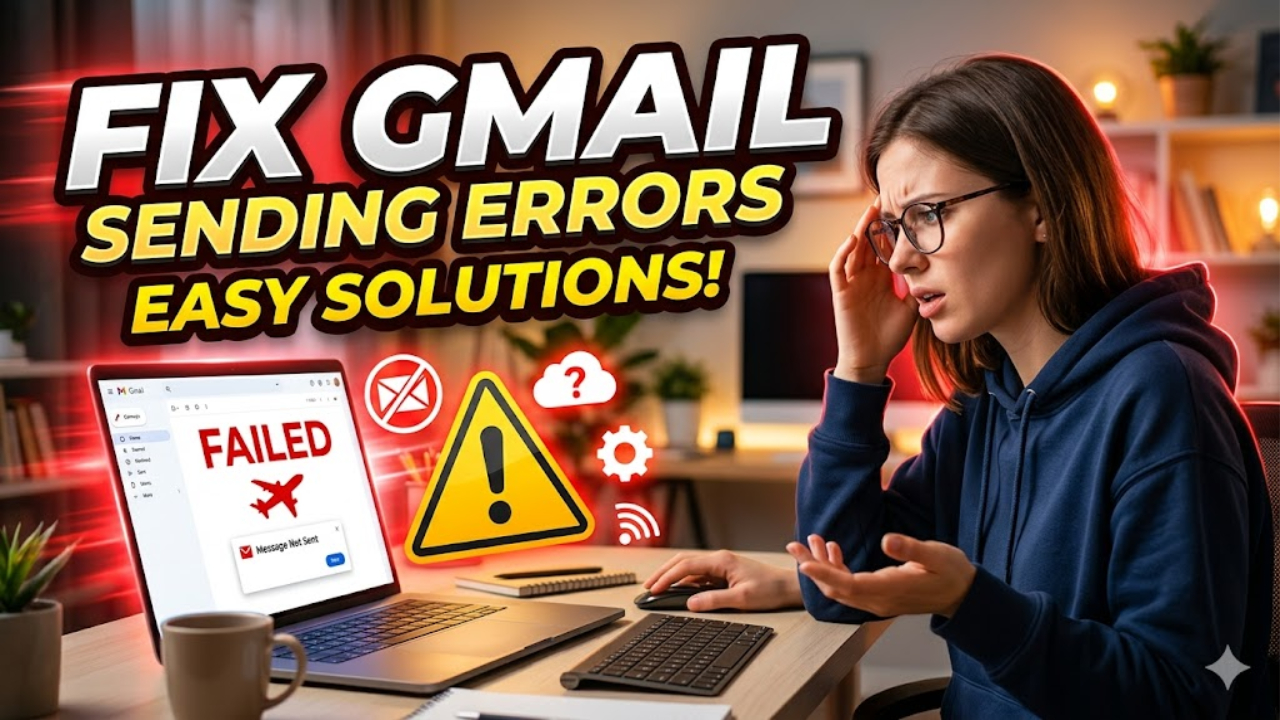

Gmail is one of the most widely used email services, but users often encounter issues when trying to send emails. These problems can range from server errors and attachment limits to incorrect account settings. Understanding the root causes and applying the right fixes can save time and frustration. This guide provides a comprehensive breakdown of common Gmail sending failures and step-by-step solutions to resolve them effectively.
When Gmail fails to send an email, it can disrupt communication and productivity. The issue may stem from various factors, including network problems, incorrect configurations, or limitations imposed by Google. Identifying the exact cause is the first step toward a solution. This section explores the most frequent reasons behind sending failures and how to diagnose them quickly.
Users often overlook simple fixes, such as checking their internet connection or verifying recipient addresses. However, more complex issues like SMTP server errors or attachment size restrictions require deeper troubleshooting. By following a structured approach, you can isolate the problem and apply the correct fix without unnecessary trial and error.
🎯 Common Causes of Gmail Sending Issues
Several factors can prevent Gmail from sending emails successfully. These include:
- Server Errors: Temporary outages or maintenance on Google’s servers can disrupt email delivery.
- Attachment Limits: Gmail imposes a 25 MB limit on attachments, including embedded images and files.
- Incorrect Account Settings: Misconfigured SMTP or IMAP settings can block outgoing emails.
- Network Restrictions: Firewalls, proxies, or VPNs may interfere with Gmail’s connection.
- Storage Quota Exceeded: A full inbox can prevent new emails from being sent.
Understanding these causes helps in applying targeted solutions rather than generic fixes.
🛠️ Step-by-Step Troubleshooting Guide
📌 Checking Internet Connectivity
Before diving into complex fixes, ensure your device has a stable internet connection. A weak or intermittent signal can cause Gmail to fail silently. Try loading another website or restarting your router if necessary. If you’re on mobile data, switch to Wi-Fi or vice versa to rule out network issues.
⚙️ Verifying Recipient Email Addresses
Typos in email addresses are a common reason for sending failures. Double-check the recipient’s email for accuracy, including the domain (e.g., @gmail.com vs. @yahoo.com). If the address is incorrect, Gmail may return a bounce-back message or fail to send without notification.
🔍 Reviewing Attachment Sizes
Gmail blocks emails exceeding the 25 MB attachment limit. To resolve this, compress large files using tools like ZIP or upload them to Google Drive and share a link instead. This not only bypasses the size restriction but also ensures faster delivery.
🚀 Advanced Fixes for Persistent Issues
🔧 Adjusting SMTP Settings
If you’re using a third-party email client (e.g., Outlook, Thunderbird), incorrect SMTP settings can prevent Gmail from sending emails. Ensure the following configurations are correct:
-
- SMTP Server: smtp.gmail.com
- Port: 587 (TLS) or 465 (SSL)
- Authentication: Enabled (use your Gmail credentials)
Re-enter your password if prompted, and enable “Less Secure Apps” in your Google Account settings if required.
🛡️ Clearing Browser Cache and Cookies
Corrupted browser data can interfere with Gmail’s functionality. Clear your cache and cookies, then restart your browser. This often resolves issues related to stuck emails or failed sending attempts. For persistent problems, try accessing Gmail in incognito mode or a different browser.
📊 Key Points Summary
| Issue | Cause | Solution |
|---|---|---|
| Server Error | Google’s temporary outage | Wait and retry later |
| Attachment Too Large | Exceeds 25 MB limit | Compress or use Google Drive |
| Incorrect SMTP Settings | Misconfigured email client | Update server and port details |
The table above summarizes the most common Gmail sending issues, their causes, and practical solutions. By systematically addressing each potential problem, users can restore email functionality efficiently.
🆚 Gmail vs. Other Email Providers
🥇 Why Gmail Stands Out
Gmail offers several advantages over competitors like Outlook and Yahoo Mail, including:
-
- Integration with Google Services: Seamless access to Drive, Calendar, and Meet.
-
- Advanced Spam Filtering: Superior detection of phishing and malicious emails.
-
- Generous Storage: 15 GB of free space shared across Gmail, Drive, and Photos.
However, users may still encounter sending issues due to its strict security protocols and attachment policies.
💡 Pro Tips for Smooth Email Sending
🎯 Optimizing Gmail Performance
To minimize sending failures, follow these best practices:
-
- Enable Offline Mode: Compose emails without an internet connection and send them later.
-
- Use Labels and Filters: Organize your inbox to avoid storage overload.
-
- Regularly Update Passwords: Prevent unauthorized access that could trigger security blocks.
❓ Frequently Asked Questions
- Why does Gmail say ‘Message not sent’?
This error typically occurs due to server issues, incorrect recipient addresses, or attachment size limits. Check your internet connection and verify the email details before retrying. - How can I send large files via Gmail?
Upload the file to Google Drive and share the link in your email. This bypasses the 25 MB attachment limit. - What should I do if Gmail keeps asking for my password?
Clear your browser cache or update your password in your Google Account settings. Ensure two-factor authentication is enabled for added security. - Can a full inbox prevent emails from sending?
Yes, exceeding your storage quota can block outgoing emails. Delete unnecessary messages or upgrade your storage plan. - How do I fix SMTP errors in Gmail?
Verify your SMTP settings (smtp.gmail.com, port 587 or 465) and ensure authentication is enabled. Re-enter your credentials if needed. - Why are my emails stuck in the Outbox?
This may indicate a network issue or incorrect settings. Refresh your browser or restart your email client to resend. - Does Gmail have a daily sending limit?
Yes, free accounts are limited to 500 emails per day. Business accounts have higher limits. - How can I check if Gmail is down?
Visit Google’s Workspace Status Dashboard or third-party outage trackers like DownDetector.
🏁 Final Verdict
Gmail sending failures can stem from various technical and user-related issues, but most problems are resolvable with systematic troubleshooting. By verifying internet connectivity, checking recipient details, and adjusting settings, users can overcome common obstacles. For persistent issues, advanced fixes like SMTP configuration or cache clearing may be necessary. Following best practices, such as using Google Drive for large files and monitoring storage limits, ensures smoother email management.
If all else fails, consult Google’s official support resources or consider alternative email clients with better compatibility. With the right approach, Gmail remains a reliable tool for personal and professional communication.