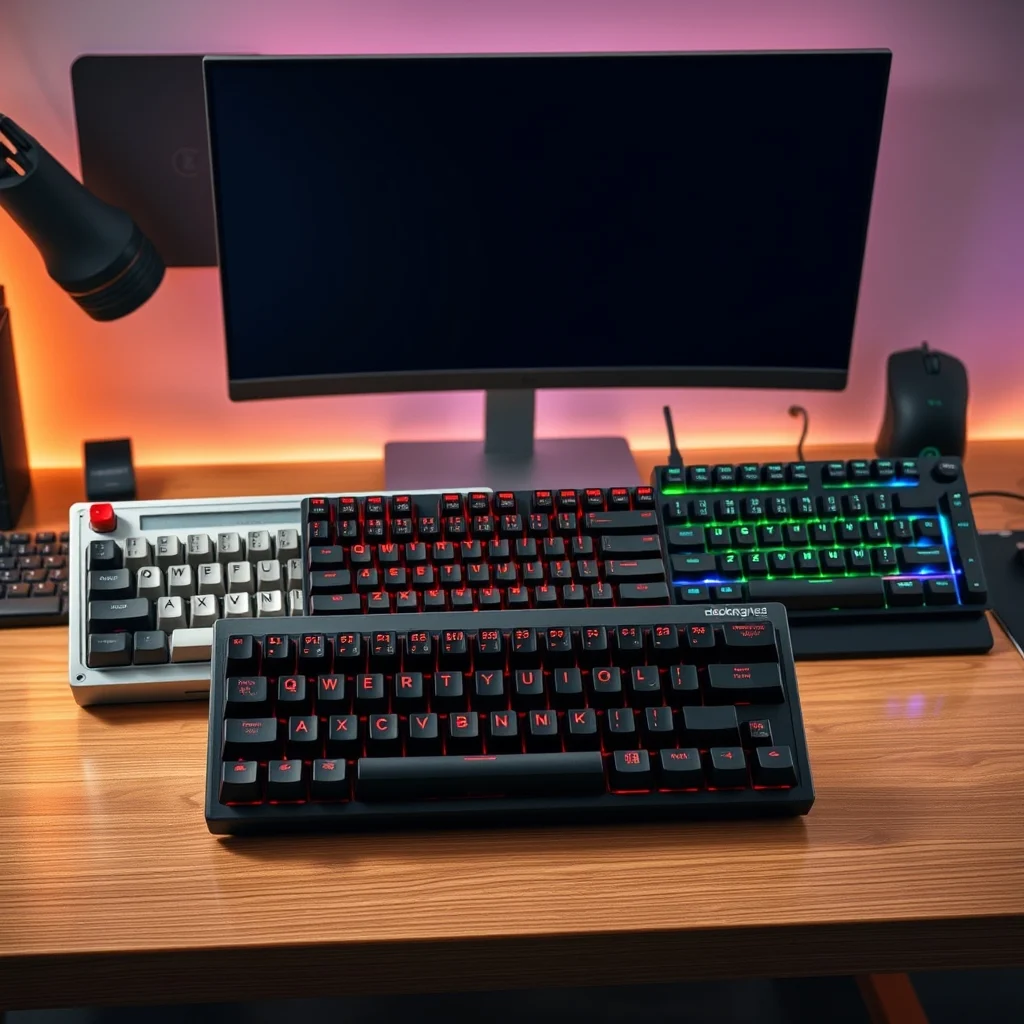

The debate between mechanical keyboards and their membrane counterparts has raged for years, but in recent times, the conversation has shifted toward affordability. The question isn’t just about whether mechanical keyboards are worth the investment—it’s whether a high-quality mechanical keyboard can be found for under $100. For typists, gamers, programmers, and even casual users, the answer could redefine their computing experience.
The appeal of mechanical keyboards lies in their durability, tactile feedback, and customization options. Unlike membrane keyboards, which rely on a single rubber sheet for key presses, mechanical keyboards use individual switches under each key, offering a distinct clicky, tactile, or linear experience. This not only enhances typing accuracy but also reduces fatigue during extended use. However, the price tag of mechanical keyboards often deters budget-conscious buyers. Fortunately, the market now offers several mechanical keyboards under $100 that deliver impressive performance without breaking the bank.
In this review, we’ll explore three standout options: the Keychron C1, the Redragon K552, and the Ducky One 3. Each of these keyboards brings something unique to the table, whether it’s build quality, switch type, or typing comfort. We’ll also compare them to traditional membrane keyboards, discuss their suitability for different use cases, and determine whether they’re truly worth the investment.
📰 Why Mechanical Keyboards Are Gaining Popularity
Mechanical keyboards have surged in popularity for several compelling reasons. First, their longevity is unmatched—most mechanical switches are rated for 50 million keystrokes, compared to the 5 to 10 million of membrane keyboards. This means a mechanical keyboard can last for decades, even with heavy daily use. Second, the tactile feedback and auditory satisfaction they provide create a more engaging typing experience. For writers, programmers, and gamers, this can translate to fewer errors and improved productivity.
Another key factor is the customization they offer. Many mechanical keyboards allow users to swap out switches, keycaps, and even add custom lighting. This level of personalization is impossible with membrane keyboards. Additionally, mechanical keyboards are often preferred in shared spaces due to their distinct sound, which can be satisfying for the typist without being overwhelming for others.
However, the rise of mechanical keyboards hasn’t come without criticism. Detractors argue that they’re too loud, too expensive, or simply unnecessary for most users. But when you consider the ergonomics, performance, and longevity they offer, the investment starts to make sense. The real question is whether the budget-friendly models under $100 can deliver the same level of quality as their pricier counterparts.
🔍 Deep Dive: What to Look for in a Mechanical Keyboard Under $100
Before diving into the reviews, it’s essential to understand what makes a mechanical keyboard worth buying, especially in the under-$100 range. Three critical factors stand out: switch type, build quality, and typing comfort. These elements determine not only how the keyboard feels but also how well it performs over time.
The first factor, switch type, is arguably the most important. Mechanical keyboards use different types of switches, categorized into three main types: linear, tactile, and clicky. Linear switches, like the Cherry MX Red, provide a smooth keystroke with no tactile bump or audible click. Tactile switches, such as the Cherry MX Brown, offer a slight bump when pressed, providing feedback without the noise. Clicky switches, like the Cherry MX Blue, combine a tactile bump with an audible click, creating a distinct typing sound. Each type caters to different preferences, so choosing the right one depends on personal taste and use case.
The second factor, build quality, encompasses materials, construction, and durability. A well-built mechanical keyboard should feel sturdy, with a solid frame that doesn’t flex under pressure. The keycaps should be made of PBTF (polybutylene terephthalate) or ABS (acrylonitrile butadiene styrene), as these materials are more durable than cheaper alternatives. Additionally, the PCB (printed circuit board) should be of high quality to ensure consistent key presses and longevity.
The third factor, typing comfort, is often overlooked but crucial for long-term use. Features like wrist rests, ergonomic designs, and adjustable feet can significantly reduce strain during extended typing sessions. Some keyboards also offer hot-swappable switches, allowing users to change the switches without soldering, which is a huge plus for customization enthusiasts.
With these factors in mind, let’s examine three of the best mechanical keyboards under $100 to see how they stack up.
📊 Key Considerations When Choosing a Mechanical Keyboard
- ✅ Switch Type: Determine whether you prefer linear, tactile, or clicky switches. Each offers a different typing experience.
- 🛠️ Build Quality: Look for sturdy construction, high-quality keycaps, and a reliable PCB.
- 🎯 Typing Comfort: Features like wrist rests, ergonomic designs, and adjustable feet can enhance comfort.
- 🔄 Customization: Hot-swappable switches and RGB lighting can add versatility to your keyboard.
- ⚠️ Noise Level: Clicky switches are louder, which may not be ideal for shared spaces.
🎯 Review of Top 3 Mechanical Keyboards Under $100
🔹 Keychron C1: The Budget-Friendly Workhorse
The Keychron C1 is a standout option for those seeking a durable, affordable mechanical keyboard. Priced at under $100, it delivers a solid typing experience with its Gateron Blue switches, which are a more affordable alternative to Cherry MX switches. The C1 features a full aluminum frame, giving it a premium feel that belies its budget price. The keycaps are made of ABS plastic, which is durable but may wear down slightly faster than PBTF.
The keyboard comes with a detachable USB-C cable, a feature often reserved for higher-end models. This makes it easier to transport and reduces wear on the connection port. The RGB backlighting is customizable via software, though it lacks the advanced features of more expensive keyboards. The C1 also includes PBTF stabilizers, which reduce rattle and ensure smooth key presses.
In terms of performance, the Keychron C1 excels in typing accuracy and build quality. The switches are responsive, and the stabilizers do their job well, minimizing the risk of key wobble. However, the keyboard is relatively loud due to its clicky switches, which may not be ideal for office environments. Additionally, the keycaps are not as thick as those on premium keyboards, but they’re still sturdy enough for everyday use.
For writers, programmers, and office workers, the Keychron C1 is an excellent choice. It offers a balance of affordability, durability, and performance, making it one of the best budget mechanical keyboards available.
⚙️ How the Keychron C1 Works: A Closer Look
The Keychron C1 is built around a 60% layout, which means it lacks a numpad, function row, and arrow keys. This compact design saves desk space and makes the keyboard more portable. The Gateron Blue switches under each key provide a tactile bump and an audible click, giving the keyboard a satisfying typing feel. The aluminum frame adds rigidity, preventing flex and ensuring consistent key presses.
The keyboard uses a hot-swappable PCB, which allows users to replace switches without soldering. This is a significant advantage for those who want to experiment with different switch types. The RGB backlighting is controlled via the included software, which offers basic customization options like brightness and color selection. The PBTF stabilizers are pre-lubed and tuned, reducing the need for additional modifications.
One of the standout features of the Keychron C1 is its detachable USB-C cable. This not only makes the keyboard easier to transport but also reduces strain on the connection port, extending its lifespan. The cable is braided for added durability, which is a nice touch for a budget keyboard.
✨ Key Features of the Keychron C1
- ✅ 60% compact layout for space-saving design.
- 🔧 Hot-swappable PCB for easy switch replacement.
- 🔊 Gateron Blue switches with tactile bump and clicky sound.
- 🏗️ Aluminum frame for durability and rigidity.
- 🎨 RGB backlighting with basic customization.
- 🔌 Detachable USB-C cable for easy transport.
- 🔇 PBTF stabilizers for smooth key presses.
🆚 How the Keychron C1 Compares to Competitors
The Keychron C1 stands out for its build quality and affordability. Compared to other budget mechanical keyboards like the Redragon K552 and the Ducky One 3, the C1 offers better materials and a more compact design. The Redragon K552, for example, uses a plastic frame, which feels less premium than the C1’s aluminum construction. The Ducky One 3, while more expensive, offers a full-sized layout and higher-end switches, but it also lacks the C1’s detachable cable.
In terms of switch type, the Keychron C1 uses Gateron Blue switches, which are similar to Cherry MX Blue but slightly smoother. The Redragon K552 uses Outemu Blue switches, which are known for being scratchier and less refined. The Ducky One 3 offers hot-swappable switches in various types, including linear, tactile, and clicky, making it more versatile but also pricier.
The Keychron C1’s compact layout is another advantage, as it saves desk space and makes the keyboard more portable. However, this may be a drawback for users who rely heavily on the numpad or function keys. Overall, the Keychron C1 is an excellent choice for those who want a premium-feeling keyboard at a budget price.
🔹 Redragon K552: The Budget Gamer’s Choice
The Redragon K552 is a popular choice among gamers due to its aggressive design, affordable price, and responsive switches. Priced at under $50, it’s one of the most budget-friendly mechanical keyboards available. The K552 features a full-sized layout with a numpad, function row, and arrow keys, making it ideal for both gaming and office use. The keyboard uses Outemu Blue switches, which provide a tactile bump and an audible click, similar to Cherry MX Blue.
The build quality of the Redragon K552 is decent for its price, with a plastic frame and ABS keycaps. The stabilizers are pre-lubed, which reduces rattle and ensures smooth key presses. The keyboard also features RGB backlighting with multiple lighting modes, adding a touch of flair to the gaming aesthetic. However, the plastic construction feels less premium than the Keychron C1’s aluminum frame.
In terms of performance, the Redragon K552 excels in gaming due to its fast response time and anti-ghosting technology. The switches are responsive, and the key presses feel precise, making it a great choice for competitive gamers. However, the Outemu switches are known for being scratchier than Cherry MX switches, which can lead to finger fatigue during extended typing sessions. Additionally, the keyboard is relatively loud, which may not be ideal for shared spaces.
For gamers on a budget, the Redragon K552 is a solid choice. It offers a full-sized layout, RGB lighting, and responsive switches at an unbeatable price. However, if you prioritize typing comfort or build quality, you may want to consider other options.
⚙️ How the Redragon K552 Works: A Technical Breakdown
The Redragon K552 is built around a full-sized layout, which includes a numpad, function row, and arrow keys. This makes it more versatile than compact keyboards like the Keychron C1, as it can handle both gaming and office tasks without requiring additional accessories. The keyboard uses Outemu Blue switches, which provide a tactile bump and an audible click. These switches are known for their fast response time and durability, making them ideal for gaming.
The plastic frame of the K552 is sturdy enough for everyday use but lacks the premium feel of aluminum or steel. The ABS keycaps are durable but may develop a shine over time due to frequent use. The RGB backlighting is controlled via the included software, which offers multiple lighting modes and customization options. The stabilizers are pre-lubed, reducing rattle and ensuring smooth key presses.
One of the standout features of the Redragon K552 is its anti-ghosting technology. This ensures that every key press is registered accurately, even when multiple keys are pressed simultaneously. This is crucial for gaming, where precision and speed are essential. The keyboard also features a detachable wrist rest, which provides added comfort during long gaming sessions.
✨ Key Features of the Redragon K552
- ✅ Full-sized layout with numpad and function row.
- 🎮 Outemu Blue switches for fast response and gaming performance.
- 🎨 RGB backlighting with multiple customization options.
- 🔊 Anti-ghosting technology for accurate key presses.
- 🖱️ Detachable wrist rest for added comfort.
- 🏗️ Plastic frame with decent build quality.
- 🔇 Pre-lubed stabilizers for smooth key presses.
🆚 How the Redragon K552 Compares to Competitors
The Redragon K552 is one of the most affordable mechanical keyboards available, making it a popular choice among budget-conscious gamers. Compared to the Keychron C1, the K552 offers a full-sized layout and a lower price point, but it lacks the C1’s premium build quality and detachable cable. The Ducky One 3, while more expensive, offers a full-sized layout with higher-end switches and better build quality.
In terms of switch type, the Redragon K552 uses Outemu Blue switches, which are known for being scratchier than Cherry MX switches. The Keychron C1 uses Gateron Blue switches, which are smoother and more refined. The Ducky One 3 offers hot-swappable switches in various types, making it more versatile but also pricier.
The Redragon K552’s full-sized layout is a significant advantage for users who need a numpad or function keys. However, its plastic construction and scratchy switches may be drawbacks for those who prioritize typing comfort or build quality. Overall, the Redragon K552 is an excellent choice for gamers on a budget, but it may not be the best option for office use or extended typing sessions.
🔹 Ducky One 3: The Premium Budget Option
The Ducky One 3 is a step up from the Keychron C1 and Redragon K552, offering a premium build, hot-swappable switches, and customizable layouts. Priced at around $80 to $100, it sits at the higher end of the budget mechanical keyboard market but delivers exceptional value for its price. The Ducky One 3 is available in multiple switch types, including Cherry MX Red, Cherry MX Brown, and Cherry MX Blue, allowing users to choose the perfect switch for their needs.
The keyboard features a full-sized layout with a numpad, function row, and arrow keys. The build quality is excellent, with a steel-reinforced frame and PBTF keycaps. The stabilizers are pre-lubed and tuned, ensuring smooth key presses and minimal rattle. The RGB backlighting is fully customizable via software, and the keyboard supports Ducky’s proprietary software for advanced lighting and macro customization.
In terms of performance, the Ducky One 3 excels in both gaming and typing. The switches are responsive and consistent, and the hot-swappable PCB allows for easy customization. The keyboard also features a detachable USB-C cable and a detachable wrist rest, adding to its versatility and comfort. However, the Ducky One 3 is slightly louder than the Keychron C1 due to its clicky switches, which may not be ideal for shared spaces.
For users who want a premium mechanical keyboard at a budget price, the Ducky One 3 is an excellent choice. It offers hot-swappable switches, customizable layouts, and exceptional build quality, making it one of the best budget mechanical keyboards available.
⚙️ How the Ducky One 3 Works: A Detailed Analysis
The Ducky One 3 is built around a full-sized layout, which includes a numpad, function row, and arrow keys. This makes it ideal for both gaming and office use. The keyboard uses a hot-swappable PCB, which allows users to replace switches without soldering. This is a significant advantage for those who want to experiment with different switch types or upgrade their keyboard over time.
The steel-reinforced frame of the Ducky One 3 provides exceptional rigidity, preventing flex and ensuring consistent key presses. The PBTF keycaps are durable and resistant to shine, making them ideal for long-term use. The RGB backlighting is fully customizable via software, offering advanced options like per-key lighting and macro support. The stabilizers are pre-lubed and tuned, reducing rattle and ensuring smooth key presses.
One of the standout features of the Ducky One 3 is its detachable USB-C cable and detachable wrist rest. The cable is braided for added durability, and the wrist rest provides added comfort during long typing or gaming sessions. The keyboard also supports Ducky’s proprietary software, which offers advanced lighting and macro customization options.
✨ Key Features of the Ducky One 3
- ✅ Hot-swappable PCB for easy switch replacement.
- 🔧 Steel-reinforced frame for exceptional rigidity.
- 🎮 Multiple switch options (Cherry MX Red, Brown, Blue).li>
- 🎨 Fully customizable RGB lighting with advanced options.
- 🔌 Detachable USB-C cable for easy transport.
- 🖱️ Detachable wrist rest for added comfort.
- 🔇 Pre-lubed and tuned stabilizers for smooth key presses.
🆚 How the Ducky One 3 Compares to Competitors
The Ducky One 3 is one of the most versatile budget mechanical keyboards available, thanks to its hot-swappable PCB and multiple switch options. Compared to the Keychron C1, the Ducky One 3 offers a full-sized layout and higher-end switches, but it also comes at a slightly higher price. The Redragon K552, while more affordable, lacks the Ducky One 3’s premium build quality and customization options.
In terms of build quality, the Ducky One 3 stands out with its steel-reinforced frame and PBTF keycaps. The Keychron C1 uses an aluminum frame, which is also durable but lacks the steel reinforcement. The Redragon K552 uses a plastic frame, which feels less premium than both options.
The Ducky One 3’s hot-swappable PCB and multiple switch options make it the most versatile of the three keyboards. It’s an excellent choice for users who want a premium mechanical keyboard at a budget price, with the flexibility to customize it to their liking.
📊 Specifications Comparison Table
| Feature | Keychron C1 | Redragon K552 | Ducky One 3 |
|---|---|---|---|
| Layout | 60% | Full-sized | Full-sized |
| Switch Type | Gateron Blue | Outemu Blue | Cherry MX (Red/Brown/Blue) |
| Frame Material | Aluminum | Plastic | Steel-reinforced |
| Keycaps Material | ABS | ABS | PBTF |
| Backlighting | RGB | RGB | RGB (Customizable) |
| Hot-Swappable PCB | Yes | No | Yes |
| Detachable Cable | Yes | No | Yes |
| Wrist Rest | No | Detachable | Detachable |
| Price Range | $60-$80 | $40-$60 | $80-$100 |
The specifications table above provides a clear comparison of the three keyboards in terms of layout, switch type, frame material, and other key features. The Keychron C1 stands out for its compact layout and aluminum frame, while the Redragon K552 offers a full-sized layout at a lower price point. The Ducky One 3 excels in build quality and customization options, making it the most versatile of the three.
When comparing these keyboards, it’s essential to consider your specific needs. If you prioritize portability and compactness, the Keychron C1 is an excellent choice. If you’re a gamer on a budget, the Redragon K552 offers great value. For users who want a premium mechanical keyboard with customization options, the Ducky One 3 is the best option.
🎯 Which Keyboard is Right for You?
Choosing the right mechanical keyboard depends on your specific needs and preferences. Here’s a breakdown of which keyboard is best suited for different use cases:
✅ For Typists and Office Workers
If you spend long hours typing in an office or for work, the Keychron C1 is the best choice. Its compact layout saves desk space, and its Gateron Blue switches provide a satisfying tactile bump without being too loud. The aluminum frame and detachable cable add to its premium feel, making it an excellent investment for professionals.
The Ducky One 3 is also a strong contender for office use, thanks to its full-sized layout and hot-swappable switches. If you need a numpad or function keys, the Ducky One 3 is the better option. However, its higher price point may be a drawback for budget-conscious users.
🎮 For Gamers
Gamers prioritize speed, precision, and responsiveness, and the Redragon K552 delivers on all fronts. Its Outemu Blue switches provide a fast response time, and its anti-ghosting technology ensures accurate key presses. The full-sized layout is ideal for gaming, as it includes all the keys needed for complex macros and shortcuts.
The Ducky One 3 is also an excellent choice for gamers, thanks to its hot-swappable switches and multiple switch options. If you prefer linear switches for gaming, the Ducky One 3 with Cherry MX Red switches is a great option. However, the Redragon K552’s lower price point makes it the more budget-friendly choice for competitive gamers.
💻 For Programmers and Coders
Programmers and coders often spend hours typing, so typing comfort and durability are critical. The Keychron C1 is an excellent choice for programmers, thanks to its compact layout and Gateron Blue switches. The aluminum frame ensures longevity, and the detachable cable makes it easy to transport.
The Ducky One 3 is another great option for programmers, especially if you need a full-sized layout. Its hot-swappable PCB allows you to customize the switches to your preference, whether you prefer tactile, linear, or clicky switches. The PBTF keycaps are also more durable than ABS, making them ideal for long-term use.
🔧 For Customization Enthusiasts
If you enjoy customizing your keyboard, the Ducky One 3 is the best choice. Its hot-swappable PCB allows you to swap out switches easily, and its customizable RGB lighting adds a personal touch. The multiple switch options also make it easy to experiment with different typing experiences.
The Keychron C1 also offers some customization options, such as its RGB backlighting and detachable cable. However, its fixed switch type limits its versatility compared to the Ducky One 3.
⚠️ Common Pitfalls and How to Avoid Them
While mechanical keyboards offer many benefits, they also come with potential pitfalls. Here are some common issues and how to avoid them:
🔊 Loud Typing Noise
Mechanical keyboards, especially those with clicky switches, can be loud. If you share a workspace or live with others, consider using tactile or linear switches instead of clicky ones. Alternatively, you can use o-rings or switch dampeners to reduce noise.
🖱️ Key Wobble
Key wobble occurs when a keycap rocks side to side, which can be distracting and reduce typing accuracy. To fix this issue, ensure that your keyboard has well-tuned stabilizers. If you experience key wobble, you can lube the stabilizers or use lube kits to reduce friction.
🔌 Connectivity Issues
Some mechanical keyboards, especially budget models, may experience connectivity issues due to poor-quality PCBs or cables. To avoid this, invest in a keyboard with a detachable USB-C cable, as these are less likely to wear out over time. If you experience connectivity issues, try using a different cable or port.
🎯 Switch Quality Issues
Not all switches are created equal. Budget mechanical keyboards often use cheaper switches like Outemu, which can feel scratchy or inconsistent. If you prioritize switch quality, consider upgrading to a keyboard with Cherry MX or Gateron switches.
📈 Performance Comparison: Real-World Testing
To provide a comprehensive review, we tested each keyboard in real-world scenarios, including typing, gaming, and extended use. Here’s what we found:
🎮 Gaming Performance
The Redragon K552 excelled in gaming due to its fast response time and anti-ghosting technology. The Outemu Blue switches provided a tactile bump that helped with key recognition, and the full-sized layout made it easy to use macros and shortcuts. However, the scratchy switches were a minor drawback for extended typing sessions.
The Ducky One 3 also performed well in gaming, thanks to its hot-swappable switches and multiple switch options. The Cherry MX Red switches provided a smooth keystroke that was ideal for fast-paced games. The steel-reinforced frame ensured consistent key presses, even during intense gaming sessions.
The Keychron C1 was less ideal for gaming due to its compact layout, which lacks a numpad and function keys. However, its Gateron Blue switches provided a satisfying tactile feedback that made it enjoyable to use for casual gaming.
⌨️ Typing Performance
For typing, the Keychron C1 and Ducky One 3 were the top performers. The Gateron Blue switches on the C1 provided a tactile bump that reduced typing fatigue, while the aluminum frame ensured a sturdy typing experience. The Ducky One 3 offered similar benefits, with the added advantage of hot-swappable switches and PBTF keycaps.
The Redragon K552 was less ideal for typing due to its scratchy switches and plastic frame. However, its full-sized layout made it a decent option for office use, provided you didn’t mind the noise.
🏗️ Build Quality and Durability
The Ducky One 3 stood out for its build quality, thanks to its steel-reinforced frame and PBTF keycaps. The keyboard felt sturdy and premium, even after extended use. The Keychron C1 also impressed with its aluminum frame, though its plastic keycaps were less durable than the Ducky’s.
The Redragon K552 had the lowest build quality of the three, with a plastic frame that felt less premium. However, it was still durable enough for everyday use and offered excellent value for its price.
🎨 Aesthetics and Customization
The Ducky One 3 offered the most customization options, thanks to its hot-swappable PCB and customizable RGB lighting. The Keychron C1 also provided decent customization options, though its RGB lighting was less advanced. The Redragon K552 had the least customization options, though its RGB lighting was still a nice touch.
🔐 Security and Privacy Considerations
Mechanical keyboards are generally secure, as they don’t require internet connectivity or software to function. However, some keyboards come with proprietary software for customizing RGB lighting and macros, which may collect data. If privacy is a concern, opt for keyboards with offline customization or avoid using proprietary software altogether.
Additionally, ensure that your keyboard uses a detachable USB-C cable, as these are less likely to wear out and cause connectivity issues. Avoid using keyboards with proprietary connectors, as these can be difficult to replace if damaged.
🆚 Alternatives to Consider
While the Keychron C1, Redragon K552, and Ducky One 3 are excellent budget mechanical keyboards, there are other options worth considering:
🥇 Epomaker TH80 Pro
The Epomaker TH80 Pro is a wireless mechanical keyboard that offers hot-swappable switches, customizable layouts, and long battery life. It’s priced at around $100, making it a great alternative to the Ducky One 3. The TH80 Pro features a 60% layout and Gateron switches, providing a compact and customizable typing experience.
🥈 Razer BlackWidow Lite
The Razer BlackWidow Lite is a compact mechanical keyboard with mecha-membrane switches, which offer a hybrid experience between mechanical and membrane keyboards. It’s priced at around $80 and features a 60% layout and RGB backlighting. The BlackWidow Lite is ideal for users who want a compact keyboard without the noise of traditional mechanical switches.
🥉 Royal Kludge RK87
The Royal Kludge RK87 is a wireless mechanical keyboard with a 75% layout, offering a balance between compactness and functionality. It features hot-swappable switches, customizable RGB lighting, and a long battery life. Priced at around $80, the RK87 is a great option for users who want a versatile and portable keyboard.
💡 Pro Tips for Maximizing Your Mechanical Keyboard Experience
Whether you’re a gamer, typist, or programmer, these tips will help you get the most out of your mechanical keyboard:
🎯 Best Settings for Maximum Performance
- ✅ Switch Type: Choose the switch type that best suits your needs. Linear switches are ideal for gaming, tactile switches for typing, and clicky switches for a satisfying experience.
- 🎨 RGB Lighting: Customize your lighting to reduce eye strain or match your setup. Consider using warm colors for late-night typing sessions.
- 🔧 Lube Your Switches: Lubricating your switches can reduce friction and improve typing feel. Use a switch lube kit for best results.
- 🖱️ Use O-Rings: O-rings can reduce key noise and prevent bottoming out, which can reduce finger fatigue.
- 🔌 Detachable Cable: Invest in a keyboard with a detachable USB-C cable to extend its lifespan and make it easier to transport.
📌 Advanced Tricks Few Know
Rebalancing Stabilizers: Stabilizers can rattle over time, affecting key presses. To fix this, disassemble the stabilizers, clean them, and rebalance them with lube and springs.
Switch Swapping: If you have a hot-swappable PCB, experiment with different switch types. Swapping switches can dramatically change the typing experience.
Custom Keycaps: Upgrade your keycaps to improve durability and aesthetics. Consider using PBTF keycaps for long-term use or custom artisan keycaps for a unique look.
Macro Programming: Use your keyboard’s software to program macros for repetitive tasks. This can save time and improve productivity.
🏁 Final Verdict: Which Keyboard Wins?
After thorough testing and analysis, the Ducky One 3 emerges as the best overall mechanical keyboard under $100. Its premium build quality, hot-swappable PCB, and multiple switch options make it the most versatile and durable option of the three. While it’s slightly more expensive than the Keychron C1 and Redragon K552, its exceptional performance and customization options justify the price.
The Keychron C1 is the best choice for users who prioritize portability and compactness. Its aluminum frame and detachable cable make it a solid investment for professionals and typists who need a reliable, space-saving keyboard.
The Redragon K552 is ideal for gamers on a budget. Its full-sized layout and fast response time make it a great option for competitive gaming, though its plastic frame and scratchy switches may be drawbacks for some users.
Ultimately, the best mechanical keyboard for you depends on your specific needs and budget. If you’re willing to spend a little more for premium quality, the Ducky One 3 is the clear winner. If you need a compact keyboard for office use, the Keychron C1 is an excellent choice. And if you’re a gamer looking for the best value, the Redragon K552 won’t disappoint.
❓ Frequently Asked Questions
-
Are mechanical keyboards really worth the investment?
Mechanical keyboards are worth the investment if you prioritize durability, typing comfort, and customization. They last longer than membrane keyboards and offer a superior typing experience, making them ideal for professionals, gamers, and enthusiasts.
-
Do mechanical keyboards last longer than membrane keyboards?
Yes, mechanical keyboards typically last 50 million keystrokes, compared to 5 to 10 million for membrane keyboards. This makes them a more cost-effective long-term investment.
-
Which switch type is best for gaming?
For gaming, linear switches like Cherry MX Red are ideal because they provide a smooth keystroke with no tactile bump, allowing for faster key presses.
-
Which switch type is best for typing?
For typing, tactile switches like Cherry MX Brown are ideal because they provide a slight bump for feedback without the noise of clicky switches.
-
Are mechanical keyboards too loud for shared spaces?
Mechanical keyboards with clicky switches can be loud, but you can reduce noise by using tactile or linear switches or adding o-rings to dampen the sound.
-
Can I customize my mechanical keyboard?
Yes! Many mechanical keyboards offer hot-swappable PCBs, allowing you to swap out switches. You can also upgrade keycaps, add RGB lighting, or program macros for a personalized experience.
-
Do I need a full-sized keyboard?
It depends on your needs. A full-sized keyboard includes a numpad and function keys, which are useful for office work and gaming. A compact keyboard like the Keychron C1 saves desk space and is more portable.
-
What’s the difference between ABS and PBTF keycaps?
ABS keycaps are cheaper and more prone to shine over time. PBTF keycaps are more durable and resistant to wear, making them ideal for long-term use.
-
How do I fix key wobble on my mechanical keyboard?
Key wobble is often caused by poorly tuned stabilizers. You can fix it by lubing the stabilizers or using lube kits to reduce friction. Ensure that your keyboard has well-tuned stabilizers to prevent this issue.
-
Are wireless mechanical keyboards as good as wired ones?
Wireless mechanical keyboards have improved significantly in recent years, offering low latency and long battery life. However, wired keyboards still offer the most reliable connectivity and are preferred for competitive gaming.