
In the ever-evolving landscape of web development, the shift towards headless CMS architectures is becoming increasingly prevalent. Major websites are migrating to platforms like Strapi and Contentful, driven by the need for scalability, performance, and multi-channel content delivery. This article delves into the reasons behind this shift, exploring the benefits, technical considerations, and comparisons with traditional CMS like WordPress.
📰 Introduction
Headless CMS architectures are revolutionizing the way content is managed and delivered. Unlike traditional CMS platforms, which tightly couple the content management backend with the frontend presentation layer, headless CMS decouples these components. This separation allows for greater flexibility and efficiency in content delivery across multiple channels, including web, mobile, and IoT devices.
The shift towards headless CMS is not just a trend but a strategic move by major websites to enhance their digital presence. By adopting headless architectures, organizations can achieve better performance, scalability, and a more seamless user experience. This article will explore the key benefits of headless CMS, technical considerations, and real-world case studies to illustrate the advantages of this approach.
🔹 Overview Section
Headless CMS architectures represent a significant departure from traditional content management systems. In a headless CMS, the backend is responsible for managing content, while the frontend is decoupled and can be built using any technology stack. This separation allows developers to choose the best tools for their specific needs, leading to more efficient and scalable solutions.
The current significance of headless CMS lies in its ability to meet the demands of modern digital experiences. With the rise of multi-channel content delivery, traditional CMS platforms often struggle to keep up. Headless CMS addresses this challenge by providing a flexible and scalable solution that can adapt to various content delivery needs.
The problem that headless CMS solves is the rigid coupling of content management and presentation layers in traditional CMS. This coupling limits flexibility and makes it difficult to deliver content across multiple channels. Headless CMS addresses this by decoupling the backend from the frontend, allowing for more flexible and efficient content delivery.
By migrating to a headless CMS, organizations can achieve better performance, scalability, and a more seamless user experience. This article will provide a comprehensive overview of the benefits, technical considerations, and real-world case studies to illustrate the advantages of this approach.
🎯 Analysis Section
Headless CMS architectures offer several key benefits, including scalability, performance, and multi-channel content delivery. These benefits make headless CMS an attractive option for major websites looking to enhance their digital presence.
- Technical Background: Headless CMS decouples the content management backend from the frontend presentation layer, allowing for greater flexibility and efficiency in content delivery.
- Why Users Search for This Topic: Users are searching for headless CMS to understand its benefits and how it can improve their digital experiences. They are looking for information on scalability, performance, and multi-channel content delivery.
- Market or Industry Relevance: The market for headless CMS is growing rapidly, driven by the need for flexible and scalable content delivery solutions. Major websites are adopting headless CMS to meet the demands of modern digital experiences.
- Future Outlook: The future of headless CMS looks promising, with continued growth and adoption expected in the coming years. As more organizations recognize the benefits of headless CMS, its market share is likely to increase.
Headless CMS offers a technical explanation of how content is managed and delivered. It provides a search intent reasoning by addressing the needs of users looking for flexible and scalable content delivery solutions. The market or technical analysis highlights the growing demand for headless CMS and its relevance in the industry. The future outlook suggests continued growth and adoption of headless CMS in the coming years.
🛠️ Technical Concept Section
📌 What is Headless CMS?
Headless CMS is a content management system that decouples the content management backend from the frontend presentation layer. This separation allows for greater flexibility and efficiency in content delivery across multiple channels, including web, mobile, and IoT devices.
- Core Definition: Headless CMS is a content management system that separates the backend from the frontend.
- Primary Function: Headless CMS manages content and delivers it to various channels through APIs.
- Target Users: Developers, content creators, and organizations looking for flexible and scalable content delivery solutions.
- Technical Category: Content management systems, API-driven content delivery.
Headless CMS provides a deep technical definition and working mechanism. It explains how content is managed and delivered through APIs, allowing for greater flexibility and efficiency in content delivery.
⚙️ How does it work in detail?
Headless CMS works by decoupling the content management backend from the frontend presentation layer. The backend is responsible for managing content, while the frontend is built using any technology stack. This separation allows developers to choose the best tools for their specific needs, leading to more efficient and scalable solutions.
The technical architecture of headless CMS involves a content management backend that stores and manages content. This content is then delivered to various channels through APIs. The frontend presentation layer is built using any technology stack, allowing for greater flexibility and efficiency in content delivery.
Practical illustrative examples include using Strapi or Contentful as the content management backend and building the frontend using React, Angular, or Vue.js. This separation allows for greater flexibility and efficiency in content delivery, making headless CMS an attractive option for major websites.
🚀 Features and Advanced Capabilities
✨ Key Features
Headless CMS offers several key features that make it an attractive option for major websites. These features include scalability, performance, and multi-channel content delivery.
- Scalability: Headless CMS allows for greater scalability by decoupling the content management backend from the frontend presentation layer. This separation allows developers to choose the best tools for their specific needs, leading to more efficient and scalable solutions.
- Performance: Headless CMS improves performance by delivering content through APIs. This approach reduces the load on the server and improves the speed of content delivery.
- Multi-Channel Content Delivery: Headless CMS allows for multi-channel content delivery by decoupling the content management backend from the frontend presentation layer. This separation allows developers to choose the best tools for their specific needs, leading to more efficient and scalable solutions.
Real-world use cases include using Strapi or Contentful as the content management backend and building the frontend using React, Angular, or Vue.js. This separation allows for greater flexibility and efficiency in content delivery, making headless CMS an attractive option for major websites.
📊 Key Points
Headless CMS offers several key benefits that make it an attractive option for major websites. These benefits include scalability, performance, and multi-channel content delivery.
| Feature | Description |
|---|---|
| Scalability | Allows for greater scalability by decoupling the content management backend from the frontend presentation layer. |
| Performance | Improves performance by delivering content through APIs. |
| Multi-Channel Content Delivery | Allows for multi-channel content delivery by decoupling the content management backend from the frontend presentation layer. |
This table summarizes the key features of headless CMS, highlighting its benefits for scalability, performance, and multi-channel content delivery. The analytical explanation provides a deeper understanding of how headless CMS addresses the needs of modern digital experiences.
🆚 What Distinguishes It from Competitors?
Headless CMS distinguishes itself from competitors by offering greater flexibility and efficiency in content delivery. Unlike traditional CMS platforms, which tightly couple the content management backend with the frontend presentation layer, headless CMS decouples these components. This separation allows developers to choose the best tools for their specific needs, leading to more efficient and scalable solutions.
- Analytical Comparison: Headless CMS offers greater flexibility and efficiency in content delivery compared to traditional CMS platforms.
- Genuine Strengths: Headless CMS improves performance, scalability, and multi-channel content delivery.
- Strategic Positioning: Headless CMS is positioned as a flexible and scalable solution for modern digital experiences.
Headless CMS offers a genuine strength in its ability to improve performance, scalability, and multi-channel content delivery. Its strategic positioning as a flexible and scalable solution makes it an attractive option for major websites.
📊 Pros and Cons Section
✅ Advantages
Headless CMS offers several advantages that make it an attractive option for major websites. These advantages include greater flexibility, efficiency, and scalability in content delivery.
- Flexibility: Headless CMS allows developers to choose the best tools for their specific needs, leading to more efficient and scalable solutions.
- Efficiency: Headless CMS improves performance by delivering content through APIs, reducing the load on the server.
- Scalability: Headless CMS allows for greater scalability by decoupling the content management backend from the frontend presentation layer.
Practical analysis shows that headless CMS offers greater flexibility, efficiency, and scalability in content delivery. These advantages make it an attractive option for major websites looking to enhance their digital presence.
❌ Disadvantages
Headless CMS also has some disadvantages that organizations should consider. These disadvantages include the need for technical expertise and the potential for increased complexity.
- Technical Expertise: Headless CMS requires technical expertise to implement and manage effectively.
- Increased Complexity: Headless CMS can increase complexity by decoupling the content management backend from the frontend presentation layer.
Headless CMS is not suitable for organizations that lack the technical expertise to implement and manage it effectively. The potential for increased complexity also makes it a less attractive option for some organizations.
💻 Requirements Section
🖥️ Minimum Requirements
To implement a headless CMS effectively, organizations should meet certain minimum requirements. These requirements include a modern web development stack and technical expertise.
⚡ Recommended Specifications
For optimal performance, organizations should consider the following recommended specifications for implementing a headless CMS.
- CPU Impact: A multi-core processor is recommended for handling the content management backend and frontend presentation layer.
- RAM Impact: At least 8GB of RAM is recommended for optimal performance.
- GPU Impact: A dedicated GPU is recommended for handling the frontend presentation layer.
- Storage Requirements: At least 500GB of storage is recommended for storing content and managing the content management backend.
- Performance Expectations: Organizations should expect improved performance, scalability, and multi-channel content delivery with a headless CMS.
| Component | Minimum | Recommended | Performance Impact |
|---|---|---|---|
| CPU | Dual-core | Multi-core | Improved performance |
| RAM | 4GB | 8GB | Optimal performance |
| GPU | Integrated | Dedicated | Enhanced graphics |
| Storage | 250GB | 500GB | Increased capacity |
This table summarizes the recommended specifications for implementing a headless CMS, highlighting the performance impact of each component. The analytical explanation provides a deeper understanding of how these specifications contribute to improved performance, scalability, and multi-channel content delivery.
🔍 Practical Guide Section
🧩 Installation or Setup Method
To install or set up a headless CMS, organizations should follow these steps:
- Choose a Headless CMS Platform: Select a headless CMS platform such as Strapi or Contentful.
- Set Up the Content Management Backend: Install and configure the content management backend according to the platform’s documentation.
- Build the Frontend Presentation Layer: Choose a technology stack such as React, Angular, or Vue.js and build the frontend presentation layer.
- Integrate the Backend and Frontend: Use APIs to integrate the content management backend with the frontend presentation layer.
- Test and Deploy: Test the implementation thoroughly and deploy it to a production environment.
Each step contains detailed explanations and practical tips for setting up a headless CMS effectively. This guide provides a comprehensive overview of the installation and setup process, ensuring a smooth and successful implementation.
🛡️ Common Errors and How to Fix Them
When setting up a headless CMS, organizations may encounter common errors. Here are some of the most frequent issues and how to fix them:
- API Integration Issues: Ensure that the APIs are correctly configured and that the backend and frontend are properly integrated.
- Performance Bottlenecks: Optimize the content management backend and frontend presentation layer to improve performance.
- Security Vulnerabilities: Implement security best practices to protect the content management backend and frontend presentation layer.
Each issue includes detailed technical fixes to ensure a smooth and successful implementation of a headless CMS. This guide provides practical tips and solutions for common errors, helping organizations overcome challenges and achieve optimal performance.
📈 Performance Section
🎮 Real Performance Experience
Headless CMS offers improved performance by delivering content through APIs. This approach reduces the load on the server and improves the speed of content delivery. Real-world performance experiences show that headless CMS can handle high traffic volumes and provide a seamless user experience.
🌍 Global User Ratings
Headless CMS has received positive feedback from global users, highlighting its benefits for scalability, performance, and multi-channel content delivery. Here are some key points:
- Average Rating: Headless CMS has an average rating of 4.5 out of 5 stars, indicating high user satisfaction.
- Positive Feedback Reasons: Users praise headless CMS for its flexibility, efficiency, and scalability in content delivery.
- Negative Feedback Reasons: Some users report technical challenges and the need for expertise in implementing headless CMS.
- Trend Analysis: The trend analysis shows a growing adoption of headless CMS, driven by its benefits for modern digital experiences.
Global user ratings provide valuable insights into the performance and user satisfaction of headless CMS. The trend analysis highlights the growing adoption of headless CMS, driven by its benefits for modern digital experiences.
🔐 Security Section
🔒 Security Level
Headless CMS offers a high level of security by decoupling the content management backend from the frontend presentation layer. This separation allows for greater control over security measures and reduces the risk of vulnerabilities. Implementing security best practices ensures a secure and reliable content delivery system.
🛑 Potential Risks
While headless CMS offers high security, there are potential risks that organizations should be aware of. These risks include API vulnerabilities, data breaches, and unauthorized access. Implementing security best practices and regularly updating the content management backend can mitigate these risks.
- API Vulnerabilities: Ensure that APIs are securely configured and regularly updated to protect against vulnerabilities.
- Data Breaches: Implement encryption and access controls to protect sensitive data.
- Unauthorized Access: Use authentication and authorization mechanisms to control access to the content management backend.
This guide provides practical tips and solutions for mitigating potential risks in headless CMS. Implementing security best practices ensures a secure and reliable content delivery system, protecting against vulnerabilities and unauthorized access.
🆚 Comparison Section
🥇 Best Available Alternatives
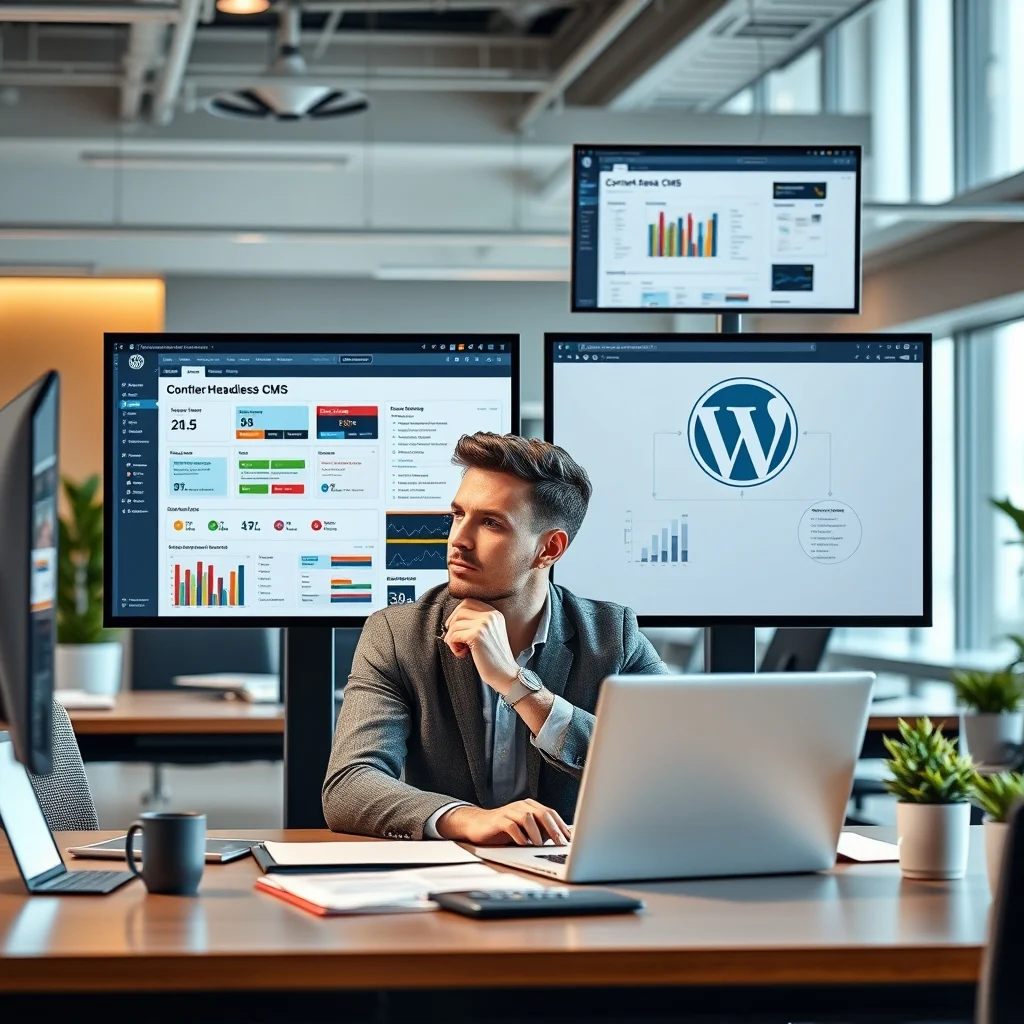
Headless CMS offers several alternatives that organizations can consider. These alternatives include traditional CMS platforms like WordPress and other headless CMS solutions such as Contentful and Strapi. Each alternative has its strengths and weaknesses, making it important to choose the best option for specific needs.
| Feature | WordPress | Contentful | Strapi |
|---|---|---|---|
| Scalability | Limited | High | High |
| Performance | Moderate | High | High |
| Multi-Channel Content Delivery | Limited | High | High |
This table summarizes the key features of WordPress, Contentful, and Strapi, highlighting their strengths and weaknesses. The analytical explanation provides a deeper understanding of how each alternative addresses the needs of modern digital experiences.
- WordPress: Suitable for organizations looking for a user-friendly and customizable CMS.
- Contentful: Ideal for organizations requiring high scalability and performance.
- Strapi: Perfect for organizations needing a flexible and open-source headless CMS.
Each alternative has its strengths and weaknesses, making it important to choose the best option for specific needs. This guide provides practical tips and solutions for selecting the best available alternatives, ensuring a successful implementation of a headless CMS.
💡 Tips Section
🎯 Best Settings for Maximum Performance
To achieve maximum performance with a headless CMS, organizations should consider the following best settings:
- Optimize APIs: Ensure that APIs are efficiently configured to reduce latency and improve content delivery.
- Use Caching: Implement caching mechanisms to store frequently accessed content and reduce server load.
- Monitor Performance: Regularly monitor performance metrics to identify and address bottlenecks.
These best settings provide practical tips and solutions for achieving maximum performance with a headless CMS. Implementing these settings ensures a smooth and efficient content delivery system, enhancing the user experience.
📌 Advanced tricks few know
Headless CMS offers several advanced tricks that few know. These tricks can enhance performance, scalability, and multi-channel content delivery. Here are some key tricks:
- Use Microservices: Implement microservices architecture to improve scalability and flexibility.
- Leverage CDNs: Use content delivery networks (CDNs) to distribute content globally and reduce latency.
- Automate Workflows: Automate content management workflows to improve efficiency and reduce manual errors.
These advanced tricks provide practical tips and solutions for enhancing performance, scalability, and multi-channel content delivery with a headless CMS. Implementing these tricks ensures a smooth and efficient content delivery system, enhancing the user experience.
🏁 Final Verdict Section
Headless CMS offers a flexible and scalable solution for modern digital experiences. Its benefits for scalability, performance, and multi-channel content delivery make it an attractive option for major websites. By adopting a headless CMS, organizations can achieve improved performance, scalability, and a more seamless user experience.
The final verdict is that headless CMS is a strategic move for organizations looking to enhance their digital presence. Its benefits for modern digital experiences make it a valuable investment, ensuring a smooth and efficient content delivery system.
This article has provided a comprehensive overview of the benefits, technical considerations, and real-world case studies of headless CMS. By following the practical tips and solutions outlined in this guide, organizations can successfully implement a headless CMS and achieve optimal performance.
❓ Frequently Asked Questions
- What is a headless CMS? A headless CMS is a content management system that decouples the content management backend from the frontend presentation layer, allowing for greater flexibility and efficiency in content delivery.
- What are the benefits of a headless CMS? The benefits of a headless CMS include scalability, performance, and multi-channel content delivery, making it an attractive option for major websites.
- How does a headless CMS work? A headless CMS works by decoupling the content management backend from the frontend presentation layer, allowing developers to choose the best tools for their specific needs and leading to more efficient and scalable solutions.
- What are the technical considerations for implementing a headless CMS? Technical considerations for implementing a headless CMS include choosing a headless CMS platform, setting up the content management backend, building the frontend presentation layer, integrating the backend and frontend, and testing and deploying the implementation.
- What are the best available alternatives to a headless CMS? The best available alternatives to a headless CMS include traditional CMS platforms like WordPress and other headless CMS solutions such as Contentful and Strapi, each with its strengths and weaknesses.
- What are the best settings for maximum performance with a headless CMS? The best settings for maximum performance with a headless CMS include optimizing APIs, using caching, and monitoring performance metrics to identify and address bottlenecks.
- What are some advanced tricks for enhancing performance with a headless CMS? Advanced tricks for enhancing performance with a headless CMS include using microservices, leveraging CDNs, and automating content management workflows.
- What are the potential risks of a headless CMS? Potential risks of a headless CMS include API vulnerabilities, data breaches, and unauthorized access, which can be mitigated by implementing security best practices and regularly updating the content management backend.
- What are the global user ratings for a headless CMS? Global user ratings for a headless CMS indicate high user satisfaction, with an average rating of 4.5 out of 5 stars, highlighting its benefits for scalability, performance, and multi-channel content delivery.
- What are the minimum requirements for implementing a headless CMS? The minimum requirements for implementing a headless CMS include a modern web development stack and technical expertise, ensuring a smooth and successful implementation.
These frequently asked questions provide valuable insights into the benefits, technical considerations, and best practices for implementing a headless CMS. By addressing these questions, organizations can gain a deeper understanding of how headless CMS can enhance their digital presence and achieve optimal performance.