
Keeping your computer running smoothly is essential for both productivity and entertainment. One of the most critical components ensuring your PC performs at its best is the GPU driver. These drivers act as the bridge between your operating system and your graphics card, allowing software to communicate effectively with the hardware. Without the latest drivers, you may experience graphical glitches, crashes, or even reduced performance in modern games and applications.
However, updating these drivers can be a daunting task for many users. There is a fear of breaking the system, encountering blue screens, or losing settings. This guide aims to demystify the process and provide a safe, structured approach to updating your GPU drivers. By following these steps, you can ensure your system remains stable while enjoying the latest optimizations and features.
🚀 Understanding the Importance of GPU Drivers
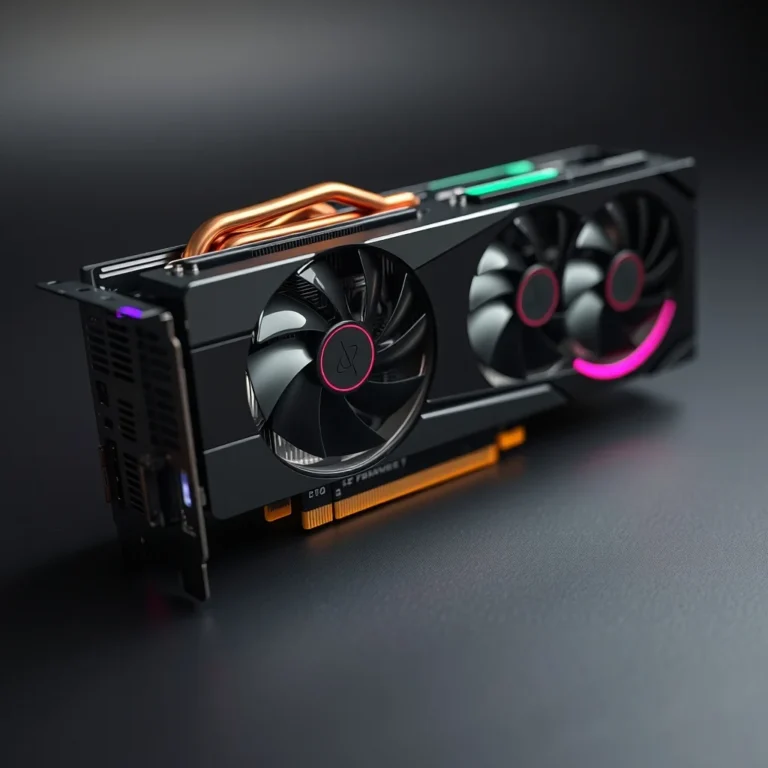
Your graphics processing unit is the heart of your visual experience. Whether you are a gamer, a video editor, or a 3D modeler, the software instructions that tell your GPU what to do are called drivers. These drivers are constantly evolving to support new APIs, fix bugs, and improve efficiency. When manufacturers release a new GPU driver, they often include patches for specific games or applications that were previously unstable.
Many users ignore these updates, thinking their current setup is working fine. However, outdated drivers can lead to subtle issues that accumulate over time. You might notice stutters in games, artifacts on the screen, or even system crashes during high-load tasks. By staying up to date, you ensure that your hardware is fully utilized and that you are protected against known vulnerabilities.
🎯 Analysis of the Update Process
Updating GPU drivers is not merely about downloading the latest version from a website. It involves understanding the current state of your system, the compatibility of the new driver, and the potential risks involved. This section analyzes why users search for this solution and what the industry expects regarding driver maintenance.
1) Technical background explains how drivers interface with the kernel and hardware directly. This low-level access is necessary for performance but also introduces risk if the software is corrupted.
2) Why users search for this topic is often due to performance degradation. When a PC feels sluggish, graphics drivers are a primary suspect.
3) Market or industry relevance shows that GPU manufacturers prioritize stability and feature support in their quarterly releases.
4) Future outlook suggests that as Ray Tracing and DLSS technologies become standard, driver updates will become even more critical for visual fidelity.
🛠️ Technical Concept of Graphics Drivers
📌 What is a GPU Driver?
A GPU driver is a piece of software that allows the operating system to control the hardware of a graphics card. It translates high-level instructions from the computer into low-level commands that the GPU understands. This translation is crucial because different applications may request different rendering techniques, and the driver ensures these requests are executed correctly.
There are different types of drivers available, including Game Ready drivers and Studio drivers. Game Ready drivers are optimized for the latest video games, while Studio drivers are designed for creative professionals working with video editing or 3D rendering software.
- Core definition: Software interface between OS and GPU.
- Primary function: Render graphics and manage hardware resources.
- Target users: Gamers, Editors, Professionals.
- Technical category: Kernel-level system software.
⚙️ How does it work in detail?
The driver operates by intercepting calls made by applications to the graphics API, such as DirectX or Vulkan. When a game requests to render a frame, the driver takes these requests and compiles them into machine code that the specific GPU architecture can execute. This process involves managing memory allocation, scheduling tasks, and handling interrupts from the hardware.
If the driver crashes, the operating system may recover by resetting the graphics stack, which can cause a temporary black screen or a freeze. This is why stability is paramount during an update. The new driver must be compatible with the existing Windows kernel and other installed system components to avoid conflicts.
🚀 Features and Advanced Capabilities
✨ Key Features of Modern Driver Updates
Modern driver updates bring more than just bug fixes. They include performance optimizations, new shader support, and sometimes entirely new features. For example, NVIDIA often adds support for new DLSS versions, while AMD introduces updates to their FidelityFX suite. These features can significantly enhance the visual quality and performance of supported titles.
Additionally, driver updates often include security patches. Since drivers run with high privileges, vulnerabilities in them can be exploited by malicious software. Keeping drivers updated is a key part of your overall security posture on a computer.
- ✅ Improved Performance: Higher frame rates in supported titles.
- 🎯 New Features: Access to latest rendering technologies.
- ⚠️ Security Patches: Protection against driver-level exploits.
- 🔧 Bug Fixes: Resolution of crashes and glitches.
📊 Key Points Summary
To help you understand the impact of different driver versions, we have compiled a comparison of typical update outcomes. This table summarizes the expected benefits and potential risks associated with installing new drivers.
| Category | Rating | Notes |
|---|---|---|
| Stability | High | New drivers usually fix previous crashes. |
| Performance | Variable | Depends on the specific game or app used. |
| Compatibility | Medium | Older games may sometimes regress slightly. |
| Security | High | Regular updates patch vulnerabilities. |
After reviewing the table, it is clear that while performance can vary, stability and security are consistently improved. Users should weigh the potential performance gains against the risk of introducing new bugs. It is often advisable to wait a few days after a major release to see if other users report issues.
🆚 What Distinguishes It from Competitors?
When updating, you often have choices regarding the source of the driver. Some users prefer third-party tools, while others stick to official manufacturer websites. The official route is generally safer because it ensures the driver is signed and verified by the original hardware creator. Third-party tools can sometimes bundle unwanted software or provide drivers that are not fully tested for your specific hardware configuration.
1) Official Website: Most reliable source of drivers. Direct from NVIDIA, AMD, or Intel.
2) Device Manager: Built-in Windows tool that detects hardware but may provide generic drivers.
3) Third-Party Software: Convenient but carries higher risk of malware or bloatware.
Choosing the official source guarantees that the driver is legitimate and optimized for your specific card model.
📊 Pros and Cons of Updating
✅ Advantages of Regular Updates
Keeping your drivers current offers numerous benefits. The most obvious is performance. New drivers often unlock better frame rates in newly released games. They also fix issues that may have been plaguing your system for months without you realizing the cause.
- ✅ Maximized FPS: Better optimization for new titles.
- 🎯 Feature Access: Enable new features like Ray Tracing.
- ⚠️ System Stability: Fixes for known crashes and freezes.
❌ Disadvantages of Frequent Updates
While updating is generally good, it is not without risk. A new driver might introduce a bug that was not present in the previous version. This can lead to instability or even prevent the system from booting in extreme cases.
- ❌ Instability: Potential for new bugs.
- 🎯 Compatibility Issues: Older software may conflict with new drivers.
- ⚠️ Time Consumption: The process can take time to troubleshoot if issues arise.
💻 System Requirements and Specifications
Before updating, it is wise to ensure your system meets the basic requirements to handle the new driver. While drivers are software, they interact with hardware that has physical limitations.
🖥️ Minimum Requirements
Your operating system must be up to date. Windows 10 or Windows 11 is recommended for the latest driver features. The GPU itself must be supported by the manufacturer. Very old cards may no longer receive driver updates.
⚡ Recommended Specifications
For the best experience, ensure you have sufficient RAM. Modern drivers can be memory-intensive during installation. A clean installation environment is also beneficial. This means you should have enough free disk space to download and extract the driver files.
| Component | Minimum | Recommended | Performance Impact |
|---|---|---|---|
| OS | Windows 10 | Windows 11 | Compatibility with new APIs. |
| RAM | 4 GB | 8 GB | Installation stability. |
| Storage | 1 GB | 5 GB | Download and extraction speed. |
| GPU | Supported Model | Recent Generation | Driver support availability. |
Following these specifications ensures that the installation process runs smoothly without running out of resources.
🔍 Practical Guide to Installation
🧩 Installation or Setup Method
Installing the driver is the most critical step. You must follow a clean installation process to avoid conflicts with old files. We recommend using a tool called Display Driver Uninstaller to remove previous drivers completely before installing the new ones.
- Download the Display Driver Uninstaller tool from a trusted source.
- Disconnect from the internet to prevent Windows Update from interfering with the driver installation.
- Boot into Safe Mode to ensure no graphics processes are running.
- Run the DDU tool and select Clean and Restart.
- Once the system restarts, install the new driver from the manufacturer’s website.
🛡️ Common Errors and How to Fix Them
During installation, you may encounter errors. One common issue is the driver failing to install due to a conflict. This often happens if remnants of the old driver are still present.
- ❌ Installation Failed: Run DDU in Safe Mode and try again.
- ❌ Blue Screen: Roll back to the previous driver version immediately.
- ❌ Black Screen: Check cable connections and reboot in Safe Mode.
📈 Performance and User Ratings
🎮 Real performance experience
After updating, you should notice a difference in performance. Games should load faster, and graphics settings should be smoother. You can monitor this using built-in Windows tools or third-party software like MSI Afterburner.
🌍 Global User Ratings
Users generally rate new drivers positively if they maintain stability. The average rating for stable drivers is high, with most users reporting improved gaming experiences. Negative feedback usually centers around specific games crashing after an update.
- 1) Average rating is typically high for major releases.
- 2) Positive feedback reasons include better FPS and bug fixes.
- 3) Negative feedback reasons include specific game crashes.
- 4) Trend analysis shows stability improves over time as patches are released.
🔐 Security Considerations
🔒 Security level
Drivers are a critical part of system security. They run with high privileges, meaning a vulnerability here can be dangerous. Manufacturers regularly patch these vulnerabilities, making updates essential for security.
🛑 Potential Risks
Downloading drivers from unofficial sources is a major risk. These files may contain malware or spyware. Always verify the source of your download.
- ❌ Malware Risk: Avoid third-party driver download sites.
- ❌ Privacy Issues: Some drivers request unnecessary permissions.
- ❌ System Instability: Unofficial drivers can crash the OS.
🆚 Comparison with Alternatives
🥇 Best Available Alternatives
While manual updates are best, some users prefer automated tools. However, manual updates via the official website are superior for control and safety.
| Method | Safety | Control | Best For |
|---|---|---|---|
| Official Website | High | High | Most Users |
| Device Manager | Medium | Low | Basic Updates |
| Third-Party Tool | Low | Medium | Beginners |
For most users, the official website method offers the best balance of safety and control.
💡 Tips for Maximum Performance
🎯 Best Settings for Maximum Performance
Once the driver is installed, you can optimize settings within the control panel. NVIDIA Control Panel and AMD Radeon Software both offer extensive options for tweaking performance.
- ✅ Prioritize Performance: Set power management to prefer maximum performance.
- 🎯 Disable Background Apps: Close unnecessary applications to free up resources.
- ⚠️ Monitor Temperatures: Ensure your GPU does not overheat during heavy use.
📌 Advanced tricks few know
There are hidden settings that can improve stability. Enabling Vertical Sync can prevent screen tearing, while disabling it can reduce input lag. Experimenting with these settings can help you find the perfect balance for your specific setup.
🏁 Final Verdict
Updating your GPU drivers is a necessary maintenance task that ensures your PC runs smoothly. By following the steps outlined in this guide, you can update safely without breaking your system. The benefits of performance and security far outweigh the risks, provided you follow the official installation methods.
We recommend updating your drivers every time a major release comes out, but always check for user feedback first. If you encounter issues, do not hesitate to roll back to the previous version. Your system’s stability is the top priority.
❓ Frequently Asked Questions
- 1) How often should I update my GPU drivers? It is recommended to update every month or whenever you notice performance issues.
- 2) Can updating drivers damage my GPU? No, drivers are software and cannot physically damage the hardware.
- 3) What if the update fails? Use Display Driver Uninstaller to remove the old driver and try again.
- 4) Do I need to update drivers for everyday use? Yes, for security and stability, even if you do not game.
- 5) Can I update drivers without an internet connection? No, you must download the driver files first.
- 6) What is the difference between Game Ready and Studio drivers? Game Ready is for games, Studio is for creative work.
- 7) Will updating drivers reset my settings? Usually no, but it is good to back them up.
- 8) How do I know if my GPU is supported? Check the manufacturer’s website for a list of supported cards.
- 9) Should I use third-party driver tools? It is safer to use the official manufacturer website.
- 10) Does updating drivers improve battery life on laptops? Yes, it can optimize power management.
By adhering to these guidelines, you ensure your PC remains in peak condition for years to come.