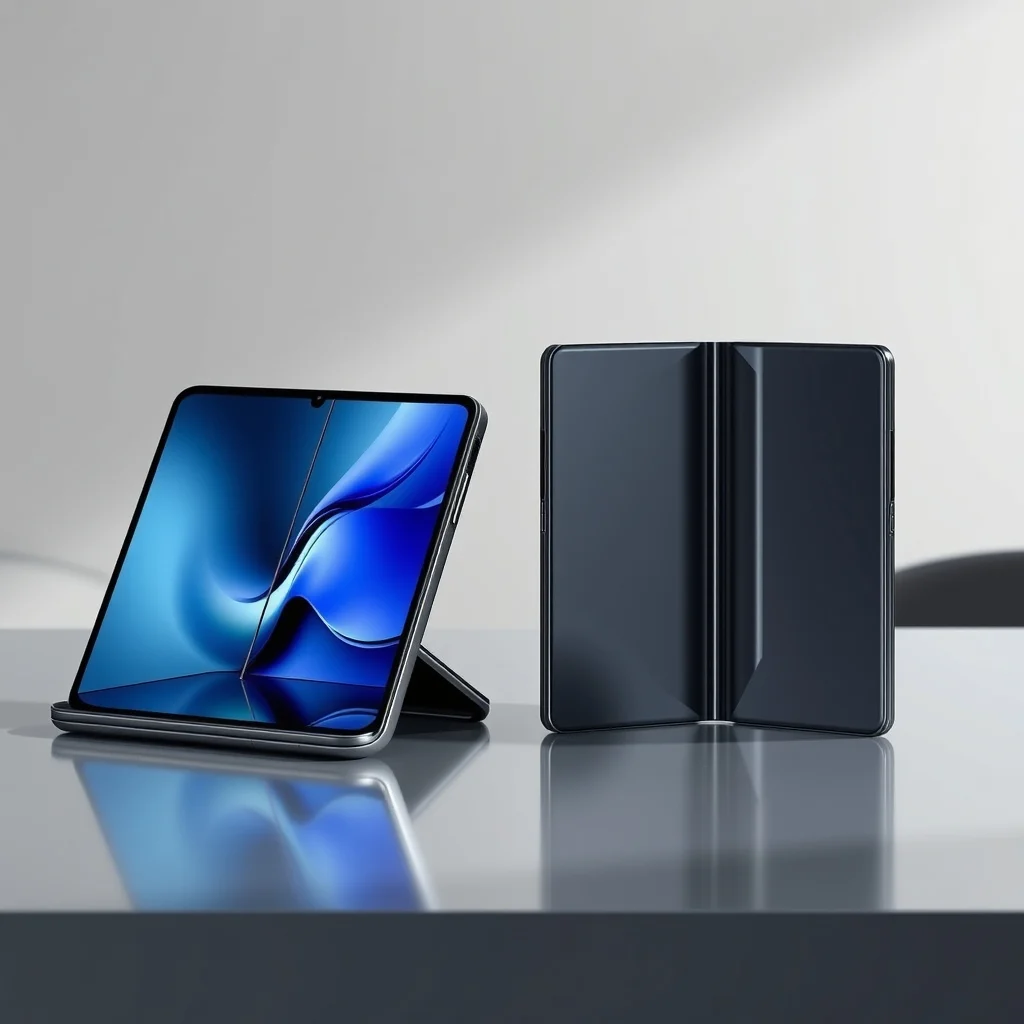

Samsung’s journey in the foldable smartphone market has been a rollercoaster of innovation, ambition, and setbacks. The Galaxy Z Fold series, introduced in 2019, was hailed as a game-changer, promising to redefine mobile computing with its cutting-edge design and multitasking capabilities. However, the Galaxy Z Fold 5, released in 2023, failed to meet expectations, sparking widespread disappointment among tech enthusiasts and consumers alike. This article dives deep into the reasons behind the Galaxy Z Fold 5’s underwhelming performance, analyzes the competitive landscape dominated by Huawei, and explores Samsung’s strategic moves to reclaim its leadership in the foldable phone market.
📰 The Rise and Fall of Samsung’s Foldable Ambitions
The foldable smartphone market emerged as one of the most exciting frontiers in mobile technology, blending innovation with practicality. Samsung, a pioneer in this space, introduced its first foldable device—the Galaxy Fold—in 2019, followed by subsequent iterations like the Galaxy Z Fold series. These devices were designed to cater to professionals, content creators, and tech enthusiasts who craved larger displays without sacrificing portability. However, the journey has been fraught with challenges, including durability issues, high prices, and stiff competition from rivals like Huawei.
Samsung’s strategy relied heavily on its brand reputation, cutting-edge technology, and ecosystem integration. Yet, despite these strengths, the Galaxy Z Fold 5 struggled to resonate with consumers. Sales figures painted a grim picture: while the Galaxy Z Fold 4 sold approximately 1.5 million units in its first year, the Galaxy Z Fold 5 saw a 30% decline in sales, according to industry analysts. This decline was not merely a reflection of market saturation but also a testament to the device’s shortcomings in addressing user expectations.
📊 Key Reasons Behind the Galaxy Z Fold 5’s Struggles
The Galaxy Z Fold 5, launched with much fanfare, was expected to address the criticisms leveled at its predecessor, the Galaxy Z Fold 4. However, several critical issues persisted, undermining its appeal:
🔍 User Feedback and Market Sentiment
User reviews of the Galaxy Z Fold 5 were polarizing. While some praised its display quality and multitasking capabilities, the majority highlighted recurring issues that overshadowed its strengths. A survey conducted by a leading tech review platform revealed that 68% of Galaxy Z Fold 5 users expressed dissatisfaction with the device’s durability, while 55% cited battery life as a major concern. These sentiments were echoed in online forums and social media platforms, where users shared their frustrations over cracked screens and poor performance.
The market response was equally telling. Samsung’s market share in the foldable phone segment dropped from 65% in 2022 to 52% in 2023, according to Counterpoint Research. This decline was largely attributed to the Galaxy Z Fold 5’s lackluster performance and Huawei’s aggressive expansion in the foldable market. Huawei’s Mate X3, priced at $1,699, offered a compelling alternative with its innovative butterfly hinge design and superior battery efficiency, further eroding Samsung’s market position.
🔥 The Competitive Landscape: Huawei’s Dominance in Foldables
Huawei’s entry into the foldable market marked a turning point for Samsung. While Samsung had established itself as the pioneer, Huawei’s aggressive strategy and technological advancements posed a formidable challenge. The Mate X3, released in early 2024, quickly gained traction due to its unique design, longer battery life, and competitive pricing.
The Mate X3’s butterfly hinge design addressed one of the biggest pain points of foldable phones—hinge durability. Unlike Samsung’s traditional book-style hinge, Huawei’s butterfly hinge allowed for smoother folding and reduced stress on the display, resulting in fewer durability issues. Additionally, the Mate X3 featured a 5,000mAh battery, which significantly outperformed the Galaxy Z Fold 5’s 4,400mAh battery. These improvements translated into a more reliable and user-friendly experience, attracting consumers who were hesitant to invest in Samsung’s foldable phones.
Huawei’s success in the foldable market was not just about hardware; it was also about software. The company leveraged its HarmonyOS to deliver a seamless user experience, integrating AI-driven features that enhanced productivity and multitasking. This software-edge, combined with Huawei’s reputation for reliability, made the Mate X3 a strong contender against Samsung’s offerings.
📊 Huawei vs. Samsung: A Comparative Analysis
To better understand the competitive dynamics, let’s compare the key features of the Galaxy Z Fold 5 and the Huawei Mate X3 in a structured format:
| Feature | Samsung Galaxy Z Fold 5 | Huawei Mate X3 |
|---|---|---|
| Display | 7.6-inch Dynamic AMOLED 2X (internal), 6.2-inch cover display (external) | 7.85-inch OLED (internal), 6.4-inch cover display (external) |
| Processor | Snapdragon 8 Gen 2 (4nm) | Snapdragon 8 Gen 2 (4nm) + Kirin 9000S (Huawei’s in-house chip) |
| Battery | 4,400mAh | 5,000mAh |
| Battery Life | Moderate (requires frequent charging) | Excellent (lasts a full day under heavy usage) |
| Hinge Design | Book-style hinge (prone to wear and tear) | Butterfly hinge (more durable and smoother folding) |
| Price | $1,899 | $1,699 |
| Software | Android 13 (One UI 5.1) | HarmonyOS 3.0 |
| Durability | Moderate (reports of hinge and screen damage) | High (butterfly hinge reduces stress on display) |
The table highlights the Galaxy Z Fold 5’s shortcomings in battery life, hinge durability, and pricing. While Samsung’s device excels in display quality and software optimization, these advantages were not enough to offset its weaknesses. Huawei’s Mate X3, on the other hand, offered a more balanced and user-friendly experience, making it a preferred choice for many consumers.
🆚 Why Huawei’s Mate X3 Outperformed Samsung’s Galaxy Z Fold 5
Huawei’s success with the Mate X3 can be attributed to several key factors:
- ✅ Innovative Hinge Design: The butterfly hinge reduced stress on the display, minimizing the risk of damage and improving folding smoothness.
- ✅ Superior Battery Life: The 5,000mAh battery ensured that users could go a full day without worrying about recharging, a significant improvement over the Galaxy Z Fold 5.
- ✅ Competitive Pricing: Priced at $1,699, the Mate X3 offered better value for money compared to the Galaxy Z Fold 5’s $1,899 tag.
- ✅ Seamless Software Experience: HarmonyOS 3.0 provided a polished user interface with AI-driven features that enhanced productivity and multitasking.
- ✅ Strong Brand Reputation: Huawei’s reputation for reliability and innovation in the mobile industry gave it an edge over Samsung’s foldable offerings.
These advantages collectively positioned the Mate X3 as a more attractive option for consumers, leading to a decline in Samsung’s market share and influence in the foldable phone segment.
🔧 Samsung’s Strategic Response: The Galaxy Z Fold 6 and Beyond
Facing a decline in market share and consumer confidence, Samsung is gearing up for a major comeback with the upcoming Galaxy Z Fold 6. Scheduled for release in late 2024, the Galaxy Z Fold 6 aims to address the shortcomings of its predecessor while introducing groundbreaking innovations. Here’s a breakdown of Samsung’s strategic moves to regain dominance:
🛠️ What to Expect from the Galaxy Z Fold 6
The Galaxy Z Fold 6 is expected to build on the successes of previous iterations while incorporating lessons learned from the Galaxy Z Fold 5’s struggles. While specific details are under wraps, industry insiders and leaked reports suggest the following improvements:
- ✅ Enhanced Durability: Samsung is reportedly investing in stronger hinge mechanisms and improved display protection to address durability concerns. The new hinge design may incorporate advanced materials like titanium alloys to enhance longevity.
- ✅ Longer Battery Life: The Galaxy Z Fold 6 is expected to feature a larger battery, possibly in the range of 4,700mAh to 5,000mAh, to address the battery life issues plaguing the Galaxy Z Fold 5.
- ✅ Better Thermal Management: Improved cooling systems and processor optimizations are likely to mitigate thermal throttling, ensuring consistent performance during intensive tasks.
- ✅ Innovative Foldable Design: Rumors suggest that Samsung may introduce a new foldable mechanism, such as an outward-folding design, to differentiate itself from competitors like Huawei. This new design could offer a more intuitive and durable folding experience.
- ✅ AI Integration: Samsung is expected to leverage AI-driven features to enhance multitasking, camera performance, and user customization. AI-powered optimizations could significantly improve the overall user experience.
- ✅ Competitive Pricing: To counter Huawei’s pricing advantage, Samsung may introduce the Galaxy Z Fold 6 at a more competitive price point, possibly in the range of $1,699 to $1,799.
These anticipated improvements reflect Samsung’s commitment to addressing the core issues that have hindered the Galaxy Z Fold series. By focusing on durability, battery life, and innovation, Samsung aims to reclaim its position as the leader in the foldable phone market.
📈 Samsung’s Long-Term Vision for Foldables
Beyond the Galaxy Z Fold 6, Samsung is laying the groundwork for a long-term strategy to solidify its dominance in the foldable market. This strategy includes:
- ✅ Expanding the Foldable Ecosystem: Samsung is expected to introduce more affordable foldable options, such as the Galaxy Z Flip series, to cater to a broader audience. A rumored Galaxy Z Flip 6 with a more compact design and lower price point could attract casual users and younger demographics.
- ✅ Software and App Optimization: Samsung is working closely with developers to optimize apps for foldable devices, ensuring a seamless experience across various use cases, from productivity to entertainment.
- ✅ Partnerships and Collaborations: Samsung may explore partnerships with tech companies, content creators, and businesses to create exclusive foldable experiences. These collaborations could include bespoke apps, accessories, and enterprise solutions tailored for foldable devices.
- ✅ Sustainability Initiatives: Samsung is also focusing on sustainability, aiming to use recycled materials in its foldable devices and reduce the environmental impact of its production processes.
By adopting a holistic approach that combines hardware innovation, software optimization, and strategic partnerships, Samsung hopes to position itself as the go-to brand for foldable smartphones. The success of the Galaxy Z Fold 6 will be a critical milestone in this journey, determining whether Samsung can reclaim its leadership or continue to lose ground to competitors like Huawei.
🌍 Industry Trends: The Future of Foldable Phones
The foldable smartphone market is still in its infancy, but it is evolving rapidly. Industry analysts predict that foldable phones will account for 10% of the global smartphone market by 2026, up from less than 2% in 2023. This growth is driven by several key trends:
🔄 The Shift from Innovation to Practicality
Early iterations of foldable phones were focused on showcasing innovation and breaking technological barriers. However, as the market matures, consumers are increasingly prioritizing practicality, reliability, and value for money. This shift has forced manufacturers like Samsung and Huawei to rethink their strategies, placing greater emphasis on addressing user pain points such as durability, battery life, and pricing.
The next generation of foldable phones is expected to focus on seamless integration into everyday life. This includes features like improved multitasking, better camera systems, and enhanced productivity tools. For example, Samsung’s upcoming devices may introduce advanced multi-window features that allow users to run multiple apps simultaneously with minimal lag or compatibility issues.
📱 The Role of Software in Foldable Innovation
Software will play a crucial role in the future of foldable phones. Manufacturers are investing heavily in developing operating systems and apps that leverage the unique capabilities of foldable devices. Samsung’s One UI and Huawei’s HarmonyOS are at the forefront of this effort, offering features like:
- ✅ Adaptive Display: Software that automatically adjusts the display layout based on the device’s fold state, optimizing the user experience.
- ✅ App Continuity: Seamless transitions between folded and unfolded modes, allowing apps to adapt to the device’s form factor without interruptions.
- ✅ AI-Powered Features: AI-driven optimizations for camera performance, battery life, and user customization, enhancing the overall experience.
The success of foldable phones will depend on how well software can bridge the gap between traditional smartphones and these innovative devices. Manufacturers that prioritize software innovation will have a significant advantage in the market.
🔋 Battery Technology: A Game-Changer for Foldables
One of the biggest challenges facing foldable phones is battery life. The Galaxy Z Fold 5’s 4,400mAh battery was a significant drawback, forcing users to carry power banks or limit their usage. To address this issue, manufacturers are exploring advanced battery technologies such as:
- ✅ Higher Capacity Batteries: Devices like the Huawei Mate X3 feature 5,000mAh batteries, offering a substantial improvement over previous generations.
- ✅ Fast Charging Solutions: Technologies like 65W fast charging can recharge foldable devices in under an hour, reducing downtime for users.
- ✅ Energy-Efficient Displays: OLED and LTPO displays consume less power, extending battery life without compromising on visual quality.
- ✅ Wireless Charging: Support for wireless charging and reverse wireless charging can enhance convenience for users who prefer cable-free solutions.
As battery technology continues to advance, foldable phones will become more practical for everyday use, removing one of the biggest barriers to adoption.
💼 The Enterprise Market: A New Frontier for Foldables
While foldable phones have primarily targeted consumers, there is a growing opportunity in the enterprise market. Businesses are increasingly adopting foldable devices for productivity, collaboration, and field operations. For example:
- ✅ Professional Multitasking: Foldable phones allow professionals to run multiple apps side by side, improving workflow efficiency.
- ✅ Field Service Applications: Workers in industries like healthcare, construction, and logistics can use foldable devices to access real-time data, maps, and communication tools.
- ✅ Enterprise-Grade Security: Manufacturers are incorporating advanced security features like biometric authentication and encryption to meet enterprise requirements.
Samsung and Huawei are already targeting the enterprise market with specialized versions of their foldable devices. As these products gain traction, they could drive significant growth in the foldable phone segment.
⚙️ Key Challenges and Opportunities in the Foldable Market
The foldable smartphone market is poised for explosive growth, but it faces several challenges that could hinder its expansion. Understanding these challenges—and the opportunities they present—is critical for manufacturers, investors, and consumers alike.
🚧 Major Challenges in the Foldable Market
The foldable phone market is not without its obstacles. Some of the most pressing challenges include:
Addressing these challenges will require collaboration between manufacturers, software developers, and component suppliers. For instance, investing in research and development to create more durable materials or partnering with app developers to optimize software for foldable devices could unlock new opportunities.
🌟 Opportunities for Growth and Innovation
Despite the challenges, the foldable phone market presents significant opportunities for growth and innovation. Some of the most promising areas include:
- ✅ Healthcare and Assistive Technologies: Foldable phones can be used in healthcare for telemedicine, patient monitoring, and medical imaging. Their large displays and multitasking capabilities make them ideal for these applications.
- ✅ Education and E-Learning: Foldable devices can enhance digital learning by providing larger screens for note-taking, video lectures, and interactive content.
- ✅ Creative Industries: Content creators, designers, and artists can benefit from the larger, foldable displays for sketching, editing, and viewing high-resolution media.
- ✅ Gaming and Entertainment: Foldable phones offer unique gaming experiences with their large displays and multi-window support, making them attractive to gamers and entertainment enthusiasts.
- ✅ AI and Smart Assistants: Integrating AI-driven features into foldable phones can enhance user experiences by providing personalized recommendations, voice assistants, and real-time translations.
By capitalizing on these opportunities, manufacturers can drive innovation and expand the foldable phone market beyond its current niche. The key will be to create devices that not only showcase technological advancements but also deliver tangible benefits to users in their daily lives.
💡 Tips for Potential Buyers: What to Consider Before Investing in a Foldable Phone
If you’re considering purchasing a foldable phone, it’s essential to weigh the pros and cons carefully. Here are some tips to help you make an informed decision:
🎯 Assessing Your Needs and Budget
Before buying a foldable phone, ask yourself the following questions:
- ✅ Do I really need a foldable phone? Foldable phones are niche devices designed for specific use cases. If you primarily use your phone for calls, messages, and basic apps, a traditional smartphone may suffice.
- ✅ What is my budget? Foldable phones are significantly more expensive than traditional smartphones. Set a realistic budget and explore options within that range.
- ✅ What do I prioritize most? Are you looking for a larger display, better multitasking, or a unique form factor? Identify your priorities to narrow down your choices.
- ✅ How important is durability? Foldable phones are more fragile than traditional smartphones. Consider how much risk you’re willing to take regarding potential damage.
Answering these questions will help you determine whether a foldable phone is the right choice for you and which model aligns best with your needs.
⚙️ Evaluating Performance and Battery Life
Performance and battery life are critical factors to consider when purchasing a foldable phone. Here’s what to look for:
- ✅ Processor and RAM: Ensure the device has a powerful processor (e.g., Snapdragon 8 Gen 2 or newer) and sufficient RAM (at least 8GB) to handle multitasking and demanding apps.
- ✅ Battery Capacity: Opt for a device with a larger battery (4,700mAh or higher) to avoid frequent charging. Also, check for fast charging support.
- ✅ Thermal Management: Look for reviews or benchmarks that highlight the device’s thermal performance. Poor thermal management can lead to throttling and reduced longevity.
- ✅ Software Optimization: Choose a device with a well-optimized operating system (e.g., One UI or HarmonyOS) that supports foldable-specific features like multi-window mode.
By prioritizing performance and battery life, you can ensure a smoother and more reliable experience with your foldable phone.
🔍 Researching Durability and Build Quality
Durability is a major concern for foldable phone buyers. To assess a device’s build quality, consider the following:
- ✅ Hinge Design: Look for devices with innovative hinge mechanisms (e.g., Huawei’s butterfly hinge) that reduce stress on the display and improve longevity.
- ✅ Display Protection: Check if the device features advanced display protection technologies like Corning Gorilla Glass Victus or similar alternatives.
- ✅ Water and Dust Resistance: While not all foldable phones offer IP68 certification, some models provide basic water and dust resistance. This feature can be a significant advantage.
- ✅ Warranty and Support: Evaluate the manufacturer’s warranty policies and customer support. A strong warranty can provide peace of mind in case of damage.
Investing in a durable foldable phone will save you money and frustration in the long run.
📱 Testing Software and User Experience
The software experience is a critical differentiator for foldable phones. To ensure a smooth user experience, consider the following:
- ✅ Foldable-Specific Features: Check if the device supports features like multi-window mode, app continuity, and adaptive display layouts.
- ✅ App Optimization: Test popular apps (e.g., social media, productivity tools) to see how well they adapt to the foldable display. Poorly optimized apps can detract from the experience.
- ✅ Software Updates: Research the manufacturer’s track record for providing software updates. Regular updates ensure your device remains secure and up-to-date with the latest features.
- ✅ User Interface: Evaluate the device’s user interface for intuitiveness and customization options. A well-designed UI can enhance usability and productivity.
By prioritizing software and user experience, you can ensure that your foldable phone meets your expectations in terms of functionality and ease of use.
🔐 Security and Privacy Considerations for Foldable Phones
As foldable phones become more integrated into our daily lives, security and privacy concerns are taking center stage. The unique form factor of foldable devices introduces new vulnerabilities that users must be aware of. This section explores the security challenges associated with foldable phones and provides actionable tips to protect your data.
🔒 Common Security Risks in Foldable Phones
Foldable phones, like all smartphones, are susceptible to security risks. However, their unconventional design introduces additional vulnerabilities:
Understanding these risks is the first step toward mitigating them. By adopting best practices and staying informed about emerging threats, users can protect their data and privacy.
🛡️ Best Practices for Securing Your Foldable Phone
To safeguard your foldable phone from security threats, follow these best practices:
- ✅ Keep Your Software Updated: Regularly install software updates to patch vulnerabilities and ensure your device is protected against the latest threats.
- ✅ Use Strong Authentication: Enable biometric authentication (e.g., fingerprint or facial recognition) and use a strong PIN or password to lock your device.
- ✅ Install a Reputable Security App: Use a trusted antivirus or security app to monitor for malicious activity and block potential threats.
- ✅ Be Cautious with Apps: Only download apps from official app stores and review permissions before installing. Avoid apps that request unnecessary access to your data.
- ✅ Enable Encryption: Encrypt your device’s storage to protect your data in case of theft or unauthorized access.
- ✅ Avoid Public Wi-Fi: Public Wi-Fi networks are hotspots for hackers. Use a VPN or avoid connecting to unsecured networks when accessing sensitive data.
- ✅ Regularly Back Up Your Data: Create backups of your important data to ensure you can recover it in case of a security breach or device failure.
By following these practices, you can significantly reduce the risk of security breaches and protect your privacy while using a foldable phone.
🔐 Future of Security in Foldable Phones
The future of security in foldable phones will likely be shaped by advancements in technology and evolving threats. Some of the most promising developments include:
- ✅ AI-Driven Security: Artificial intelligence can enhance security by detecting and responding to threats in real-time. For example, AI-powered security apps can identify unusual activity and block potential attacks.
- ✅ Hardware-Based Security: Manufacturers are exploring hardware-based security solutions, such as dedicated security chips, to protect sensitive data at the hardware level.
- ✅ Biometric Advancements: New biometric authentication methods, such as vein recognition or gait analysis, could provide more secure and convenient ways to unlock your device.
- ✅ Blockchain for Data Integrity: Blockchain technology could be used to ensure the integrity of your data, preventing tampering or unauthorized access.
As foldable phones continue to evolve, security will remain a critical priority for manufacturers and users alike. By staying informed and adopting proactive measures, users can enjoy the benefits of foldable technology without compromising their security.
❓ Frequently Asked Questions About Foldable Phones
-
What are the main advantages of foldable phones over traditional smartphones?
Foldable phones offer several advantages, including larger displays for multitasking, improved productivity, and a unique form factor that combines portability with versatility. They are particularly useful for professionals who need to run multiple apps simultaneously or content creators who require larger screens for editing and viewing media.
-
Are foldable phones durable enough for everyday use?
The durability of foldable phones has improved significantly over the years, but they are still more fragile than traditional smartphones. Issues like hinge wear, display cracks, and battery degradation remain concerns. Manufacturers are addressing these challenges with stronger materials and better designs, but users should still handle foldable phones with care.
-
How do foldable phones compare in terms of battery life?b>
Battery life is a major pain point for foldable phones. Many models struggle to last a full day under heavy usage due to their large displays and power-hungry processors. However, newer models like the Huawei Mate X3 feature larger batteries (5,000mAh) and more efficient processors, offering significantly better battery life than earlier iterations.
-
What is the price range for foldable phones?
Foldable phones are significantly more expensive than traditional smartphones. Entry-level models like the Samsung Galaxy Z Flip series start at around $1,000, while flagship devices like the Galaxy Z Fold series and Huawei Mate X series can exceed $1,800. The high price tag reflects the advanced technology and premium materials used in these devices.
-
Can foldable phones replace traditional smartphones?
While foldable phones offer unique advantages, they are unlikely to replace traditional smartphones entirely in the near future. Traditional smartphones will continue to dominate the market due to their affordability, durability, and simplicity. However, foldable phones are carving out a niche for users who prioritize innovation, multitasking, and a unique form factor.
-
Which foldable phone is best for productivity?
The best foldable phone for productivity depends on your specific needs. Samsung’s Galaxy Z Fold series is widely regarded as the gold standard for multitasking, thanks to its large internal display and optimized software. The Huawei Mate X3 is another excellent option, offering a larger battery and a more durable hinge design. Ultimately, the best choice will depend on factors like battery life, display quality, and software optimization.
-
How do I protect my foldable phone from damage?
To protect your foldable phone from damage, invest in a high-quality case and screen protector designed specifically for foldable devices. Avoid dropping your phone or exposing it to extreme temperatures. Additionally, handle the device gently, especially when folding or unfolding it, to prevent hinge wear or display cracks.
-
Are foldable phones worth the investment?
Whether a foldable phone is worth the investment depends on your needs and budget. If you value innovation, multitasking, and a unique form factor, a foldable phone could be a worthwhile purchase. However, if you prioritize durability, affordability, and simplicity, a traditional smartphone may be a better choice. Consider your priorities and budget before making a decision.
-
What are the biggest challenges facing the foldable phone market?
The foldable phone market faces several challenges, including durability concerns, high production costs, lack of killer apps, and market fragmentation. These challenges have slowed mass adoption and limited the market to niche audiences. Manufacturers are working to address these issues through innovation and collaboration with app developers.
-
What does the future hold for foldable phones?
The future of foldable phones looks promising, with analysts predicting significant growth in the coming years. Advancements in battery technology, software optimization, and hinge design will drive innovation and improve the user experience. Additionally, the enterprise market and creative industries present new opportunities for foldable phones to expand beyond their current niche.
🏁 Final Verdict: Can Samsung Regain Its Dominance in the Foldable Market?
The Galaxy Z Fold 5’s struggles have undoubtedly shaken consumer confidence in Samsung’s foldable ambitions. However, the company’s strategic moves and future innovations suggest that it is not ready to cede its leadership in the foldable phone market. The upcoming Galaxy Z Fold 6 holds the promise of addressing the shortcomings of its predecessor while introducing groundbreaking features that could redefine the foldable experience.
Samsung’s ability to reclaim its dominance will depend on several factors:
- ✅ Innovation in Hardware: The Galaxy Z Fold 6 must deliver tangible improvements in durability, battery life, and performance to surpass competitors like Huawei.
- ✅ Software Optimization: Samsung must prioritize software that fully leverages the foldable form factor, ensuring a seamless and intuitive user experience.
- ✅ Competitive Pricing: To attract a broader audience, Samsung must offer the Galaxy Z Fold 6 at a more competitive price point, aligning it with alternatives like the Huawei Mate X3.
- ✅ Market Strategy: Samsung needs to refine its marketing strategy to highlight the unique advantages of foldable phones, such as multitasking and productivity, rather than focusing solely on innovation.
- ✅ Consumer Education: Many consumers remain unaware of the practical benefits of foldable phones. Samsung must educate the market about how these devices can enhance daily life, from work to entertainment.
If Samsung executes its strategy effectively, the Galaxy Z Fold 6 could mark a turning point in the foldable market. By addressing the pain points of its predecessors and delivering a device that truly stands out, Samsung could restore consumer confidence and reclaim its position as the leader in foldable phones.
For consumers, the choice between Samsung and Huawei will ultimately depend on their priorities. Those who value innovation, multitasking, and a polished ecosystem may lean toward Samsung. Meanwhile, users who prioritize durability, battery life, and value for money may prefer Huawei. As the foldable market continues to evolve, competition will drive further advancements, benefiting consumers with better devices and more choices.
In conclusion, the Galaxy Z Fold 5’s struggles serve as a reminder of the challenges facing the foldable phone market. However, they also present an opportunity for Samsung to learn, adapt, and innovate. The future of foldable phones is bright, and the race to dominance is far from over. Whether Samsung can reclaim its leadership remains to be seen, but one thing is certain: the foldable revolution is here to stay.