
In the fast-evolving world of digital content creation, AI video editing tools have become a game-changer for creators, marketers, and businesses alike. These tools leverage artificial intelligence to automate repetitive tasks, enhance creativity, and significantly reduce editing time. Whether you’re a professional filmmaker, a social media influencer, or a small business owner, mastering AI video editing can elevate your content to new heights.
🚀 Why AI Video Editing Tools Are a Must-Have in 2026
The demand for high-quality video content has never been higher. Platforms like YouTube, TikTok, Instagram, and LinkedIn prioritize video content, making it essential for creators to produce engaging and polished videos efficiently. Traditional video editing software like Adobe Premiere Pro or Final Cut Pro requires advanced skills and hours of manual work. AI-powered tools, however, bridge this gap by offering automation, intelligent suggestions, and real-time enhancements that streamline the editing process.
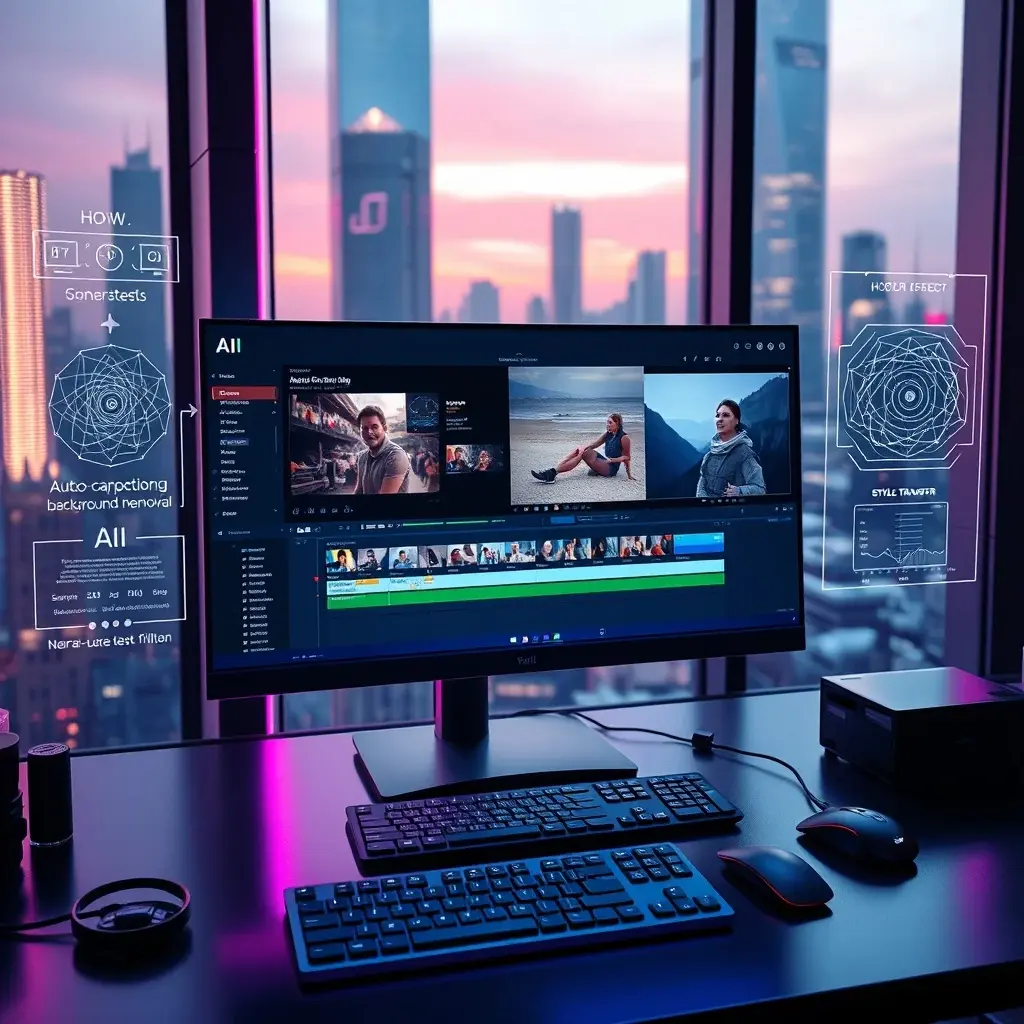
AI video editors are not just about speed—they bring a level of creativity and precision that was once only accessible to professionals with years of experience. For instance, AI can analyze your footage, suggest the best cuts, generate subtitles, and even apply cinematic effects automatically. This democratizes high-quality video production, allowing even beginners to create stunning content with minimal effort.
Another significant advantage is cost-efficiency. Hiring professional editors or purchasing expensive software can be prohibitive for small creators or businesses. AI tools often come with affordable subscription models or even free tiers, making professional-grade editing accessible to everyone. Additionally, these tools are continuously improving, thanks to advancements in machine learning and neural networks, ensuring that users always have access to cutting-edge features.
📊 The Rise of AI in Video Editing: Key Statistics
The adoption of AI in video editing has surged in recent years, driven by the need for faster production and higher-quality output. According to a 2026 industry report, over 68% of video creators now use AI-powered tools at least once a week. This shift is particularly noticeable among social media influencers, where 82% rely on AI for tasks like auto-captioning and background removal. The market for AI video editing software is projected to grow at a compound annual growth rate (CAGR) of 22.3% from 2023 to 2026, reaching a value of over $3.5 billion by the end of 2026.
One of the driving forces behind this growth is the increasing complexity of video content. Modern audiences expect videos to be visually appealing, well-structured, and engaging—requirements that are challenging to meet without advanced tools. AI video editors address this by automating tedious tasks such as trimming, color grading, and noise reduction, while also offering features like smart transitions and AI-generated B-roll footage.
The integration of AI with cloud computing has further accelerated this trend. Tools like Runway ML and Pika Labs operate on cloud servers, allowing users to edit videos from any device without worrying about hardware limitations. This accessibility has made AI video editing a viable option for creators worldwide, regardless of their technical background or budget.
🎯 Who Should Use AI Video Editing Tools?
AI video editing tools are versatile and cater to a wide range of users. Here’s a breakdown of who can benefit the most:
- 🎥 Professional Filmmakers: Use AI to automate repetitive tasks like color correction and scene segmentation, allowing more time for creative decision-making.
- 📱 Social Media Influencers: Leverage AI for quick edits, auto-captioning, and trend-based effects to keep content fresh and engaging.
- 🏢 Marketing Teams: Create polished promotional videos with minimal effort, ensuring consistency across campaigns.
- 🎓 Educators and Course Creators: Enhance lectures and tutorials with AI-generated subtitles, highlights, and visual aids.
- 📊 Small Business Owners: Produce high-quality product demos and explainer videos without hiring expensive editors.
- 🎮 Gamers and Content Creators: Use AI to edit gameplay footage, add commentary, and create cinematic montages effortlessly.
Whether you’re creating a short-form social media clip or a long-form documentary, AI video editing tools can adapt to your needs, making them an invaluable asset in any content creator’s toolkit.
🔍 Understanding AI Video Editing: Core Concepts
📌 What Are AI Video Editing Tools?
AI video editing tools are software applications that use artificial intelligence, machine learning, and deep learning algorithms to automate and enhance the video editing process. These tools analyze video footage, identify patterns, and apply edits based on predefined rules or user inputs. Unlike traditional editing software, which relies heavily on manual input, AI tools can perform complex tasks in a fraction of the time.
The core functionality of AI video editors revolves around several key capabilities:
- Automated Editing: AI can automatically trim footage, adjust colors, and apply transitions based on the content.
- Object Recognition: Identify and track objects, faces, or movements within the video for targeted edits.
- Speech-to-Text: Generate accurate subtitles or captions by converting spoken words into text.
- Enhancement: Improve video quality by reducing noise, stabilizing shaky footage, and upscaling resolution.
- Style Transfer: Apply artistic filters or styles inspired by famous filmmakers or trends.
- Scene Detection: Automatically segment videos into scenes for easier editing and organization.
These tools are designed to be user-friendly, often featuring drag-and-drop interfaces and intuitive dashboards. They cater to both beginners and professionals, offering customizable workflows that adapt to individual preferences.
🔧 How Do AI Video Editors Work? The Technology Behind the Magic
AI video editing tools rely on a combination of advanced technologies to deliver their functionality. Here’s a breakdown of the key components:
1. Machine Learning and Neural Networks: AI video editors use convolutional neural networks (CNNs) and recurrent neural networks (RNNs) to analyze video frames. These networks are trained on vast datasets of videos to recognize patterns, such as facial expressions, objects, and scenes. For example, a neural network might be trained to detect when a person smiles or when a car enters a scene.
2. Natural Language Processing (NLP): For features like auto-captioning, NLP algorithms process spoken words and convert them into written text. Advanced tools can even differentiate between speakers and assign accurate timestamps to subtitles.