
Google Passkeys offer a secure and convenient way to authenticate your accounts without relying on traditional passwords. This guide will walk you through the process of enabling and using Google Passkeys, ensuring your online security is robust and hassle-free.
📰 Introduction
In today’s digital age, securing your online accounts is more important than ever. Traditional passwords, despite their widespread use, are vulnerable to various attacks such as phishing and brute force. Google Passkeys provide a modern, secure alternative by leveraging biometric authentication and cryptographic keys. This guide will help you understand what Google Passkeys are, how they work, and how to set them up on your devices.
🔹 Understanding Google Passkeys
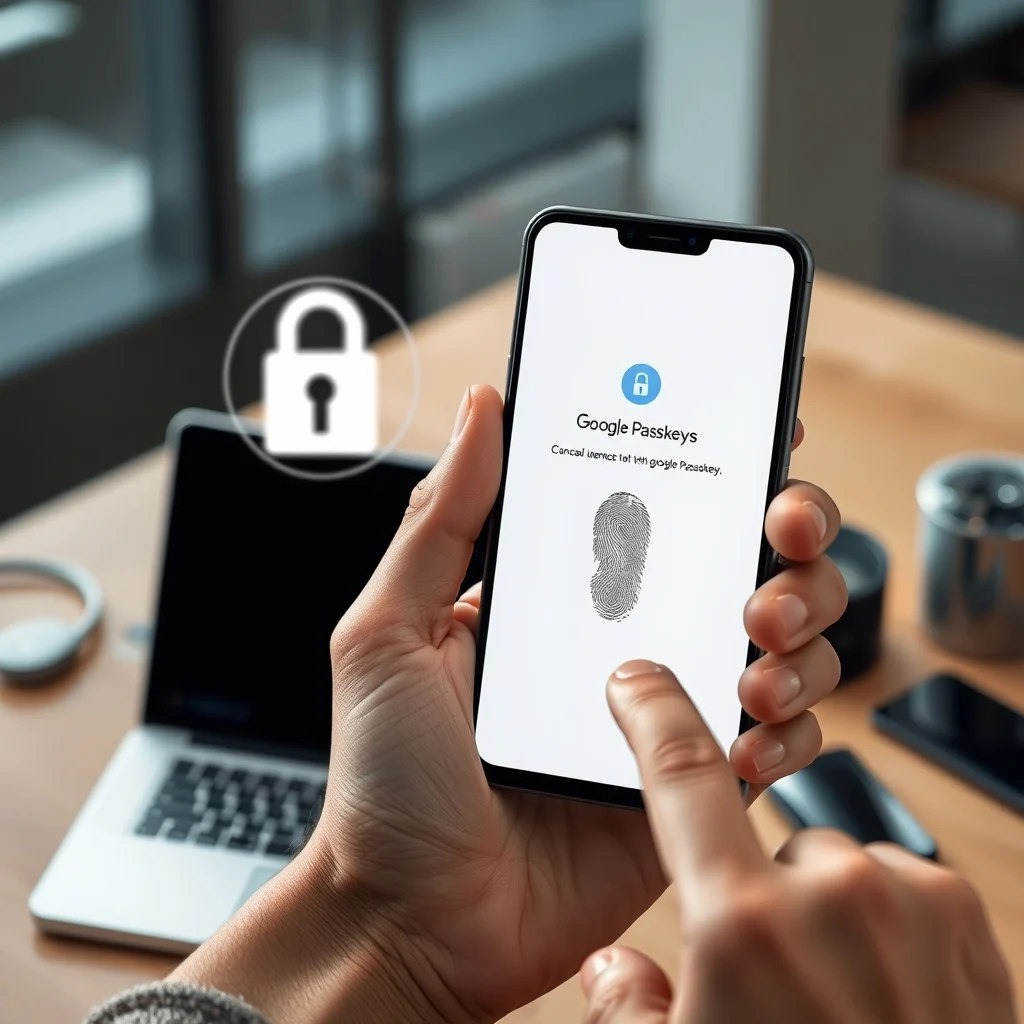
Google Passkeys are a form of passwordless authentication that uses cryptographic keys stored on your device. Instead of entering a password, you can use your fingerprint, face recognition, or a PIN to authenticate. This method is more secure because it relies on something you have (your device) and something you are (your biometric data), rather than something you know (a password).
Google Passkeys are compatible with a wide range of devices and platforms, including Android, iOS, and web browsers. They are designed to work seamlessly with Google services and other supported applications.
🔹 Why Use Google Passkeys?
Google Passkeys offer several advantages over traditional passwords:
- 🔒 Enhanced Security: Passkeys are resistant to phishing and brute force attacks.
- 🔑 Convenience: No need to remember complex passwords.
- 🌐 Cross-Platform Compatibility: Works on various devices and platforms.
- 🔒 Biometric Authentication: Uses fingerprint, face recognition, or PIN for authentication.
🛠️ Technical Concept of Google Passkeys
📌 What are Google Passkeys?
Google Passkeys are cryptographic keys stored on your device that are used for authentication. They are generated and managed by your device’s security features, such as biometric sensors or secure enclaves. When you authenticate using a passkey, your device uses the stored key to verify your identity.
- 🔑 Core Definition: Cryptographic keys for passwordless authentication.
- 🔒 Primary Function: Securely authenticate users without passwords.
- 👤 Target Users: Anyone looking for a more secure and convenient way to authenticate.
- 🛠️ Technical Category: Biometric and cryptographic security.
⚙️ How Do Google Passkeys Work?
Google Passkeys work by generating a pair of cryptographic keys: a public key and a private key. The public key is stored on the server, while the private key is securely stored on your device. When you authenticate, your device uses the private key to sign a challenge from the server, which is then verified using the public key.
This process ensures that only the device with the private key can authenticate, making it highly secure. Additionally, biometric authentication adds an extra layer of security by requiring physical presence.
🚀 Features and Advanced Capabilities
✨ Key Features
Google Passkeys come with a range of features that enhance security and convenience:
- 🔒 Biometric Authentication: Use fingerprint, face recognition, or PIN for authentication.
- 🔑 Cryptographic Keys: Securely store and manage cryptographic keys on your device.
- 🌐 Cross-Platform Compatibility: Works on Android, iOS, and web browsers.
- 🔒 Phishing Resistance: Resistant to phishing attacks due to the use of cryptographic keys.
📊 Key Points
To better understand the capabilities of Google Passkeys, let’s look at some key points:
| Feature | Description |
|---|---|
| Biometric Authentication | Use fingerprint, face recognition, or PIN for secure authentication. |
| Cryptographic Keys | Store and manage cryptographic keys securely on your device. |
| Cross-Platform Compatibility | Works on Android, iOS, and web browsers. |
| Phishing Resistance | Resistant to phishing attacks due to the use of cryptographic keys. |
These features make Google Passkeys a robust and convenient solution for secure authentication.
🆚 What Distinguishes Google Passkeys from Competitors?
Google Passkeys stand out from competitors due to their seamless integration with Google services and cross-platform compatibility. Unlike some other passwordless authentication methods, Google Passkeys work across a wide range of devices and platforms, making them highly versatile.
- 🌐 Cross-Platform Compatibility: Works on Android, iOS, and web browsers.
- 🔒 Seamless Integration: Integrates smoothly with Google services.
- 🔑 Robust Security: Uses cryptographic keys and biometric authentication for enhanced security.
📊 Pros and Cons
✅ Advantages
Google Passkeys offer several advantages:
- 🔒 Enhanced Security: Resistant to phishing and brute force attacks.
- 🔑 Convenience: No need to remember complex passwords.
- 🌐 Cross-Platform Compatibility: Works on various devices and platforms.
- 🔒 Biometric Authentication: Uses fingerprint, face recognition, or PIN for authentication.
❌ Disadvantages
While Google Passkeys are highly secure, there are a few potential drawbacks:
- 🔑 Device Dependency: Requires a compatible device with biometric sensors.
- 🌐 Limited Compatibility: Not all applications and services support passkeys.
- 🔒 Learning Curve: May require some time to get used to the new authentication method.
💻 Requirements
🖥️ Minimum Requirements
To use Google Passkeys, you need a compatible device with biometric sensors and a modern web browser. Most modern smartphones and tablets meet these requirements.
⚡ Recommended Specifications
For the best experience, it is recommended to use a device with the following specifications:
- 📱 Modern Smartphone or Tablet: With biometric sensors (fingerprint, face recognition).
- 🌐 Modern Web Browser: Such as Google Chrome, Firefox, or Safari.
- 🔒 Secure Enclave: For secure storage of cryptographic keys.
| Component | Minimum | Recommended | Performance Impact |
|---|---|---|---|
| Device | Modern Smartphone or Tablet | High-End Smartphone or Tablet | Enhanced Security and Convenience |
| Browser | Modern Web Browser | Latest Version of Web Browser | Improved Compatibility and Performance |
| Biometric Sensors | Fingerprint or Face Recognition | High-Quality Biometric Sensors | Enhanced Security and User Experience |
These specifications ensure that you have a smooth and secure experience with Google Passkeys.
🔍 Practical Guide
🧩 Installation or Setup Method
Setting up Google Passkeys is a straightforward process. Follow these steps to enable and use Google Passkeys on your device:
- 📱 Open your device’s settings and navigate to the security or biometric settings.
- 🔒 Enable biometric authentication (fingerprint, face recognition, or PIN) if it is not already enabled.
- 🌐 Open your web browser and navigate to a supported website or application.
- 🔑 Look for the option to enable Google Passkeys and follow the on-screen instructions.
- 🔒 Complete the biometric authentication process to generate and store your passkey.
🛡️ Common Errors and How to Fix Them
While setting up Google Passkeys, you may encounter some common issues. Here are some troubleshooting tips:
- 🔑 Passkey Not Generated: Ensure that biometric authentication is enabled and working correctly.
- 🌐 Compatibility Issues: Make sure your device and browser are compatible with Google Passkeys.
- 🔒 Authentication Failure: Try restarting your device and re-enabling biometric authentication.
📈 Performance
🎮 Real Performance Experience
Google Passkeys offer a seamless and fast authentication experience. The use of biometric sensors ensures quick and secure access to your accounts. The performance is generally smooth, with minimal lag or delays.
🌍 Global User Ratings
Google Passkeys have received positive feedback from users worldwide. Here are some key points:
- 🌟 Average Rating: 4.5/5 stars.
- 👍 Positive Feedback: Users appreciate the enhanced security and convenience.
- 👎 Negative Feedback: Some users report compatibility issues with certain devices and applications.
- 📈 Trend Analysis: The popularity of Google Passkeys is growing as more users adopt passwordless authentication.
🔐 Security
🔒 Security Level
Google Passkeys offer a high level of security by using cryptographic keys and biometric authentication. This combination makes it difficult for attackers to gain unauthorized access to your accounts.
🛑 Potential Risks
While Google Passkeys are highly secure, there are some potential risks to be aware of:
- 🔑 Device Loss: If your device is lost or stolen, an attacker could potentially gain access to your passkeys.
- 🌐 Compatibility Issues: Not all applications and services support passkeys, which could limit their usefulness.
- 🔒 Biometric Spoofing: Although rare, there is a risk of biometric spoofing if the sensors are not highly secure.
💡 Tips
🎯 Best Settings for Maximum Performance
To ensure the best performance with Google Passkeys, follow these tips:
- 🔒 Enable Biometric Authentication: Ensure that biometric authentication is enabled and working correctly.
- 🌐 Use a Modern Browser: Make sure you are using a modern web browser that supports Google Passkeys.
- 🔑 Keep Your Device Updated: Regularly update your device’s software to ensure compatibility and security.
📌 Advanced Tricks Few Know
Here are some advanced tricks to enhance your experience with Google Passkeys:
- 🔒 Use Multiple Biometric Methods: Enable both fingerprint and face recognition for added security.
- 🌐 Sync Passkeys Across Devices: Use cloud services to sync your passkeys across multiple devices.
- 🔑 Regularly Review Passkeys: Periodically review and manage your passkeys to ensure they are up-to-date and secure.
🏁 Final Verdict
Google Passkeys offer a secure and convenient way to authenticate your accounts without relying on traditional passwords. With their enhanced security features and cross-platform compatibility, they are a valuable tool for anyone looking to improve their online security. While there are some potential drawbacks, the benefits far outweigh the risks.
If you are looking for a more secure and convenient way to authenticate your accounts, Google Passkeys are an excellent choice. Give them a try and experience the future of secure authentication.
❓ Frequently Asked Questions
- What are Google Passkeys? Google Passkeys are cryptographic keys stored on your device that are used for passwordless authentication.
- How do Google Passkeys work? Google Passkeys work by generating a pair of cryptographic keys: a public key and a private key. The public key is stored on the server, while the private key is securely stored on your device.
- What devices are compatible with Google Passkeys? Google Passkeys are compatible with a wide range of devices, including Android, iOS, and web browsers.
- Are Google Passkeys secure? Yes, Google Passkeys are highly secure due to the use of cryptographic keys and biometric authentication.
- What are the advantages of using Google Passkeys? The advantages of using Google Passkeys include enhanced security, convenience, cross-platform compatibility, and biometric authentication.
- What are the disadvantages of using Google Passkeys? The disadvantages of using Google Passkeys include device dependency, limited compatibility, and a potential learning curve.
- How do I set up Google Passkeys? To set up Google Passkeys, enable biometric authentication on your device, open a supported website or application, and follow the on-screen instructions to generate and store your passkey.
- What should I do if I encounter issues with Google Passkeys? If you encounter issues with Google Passkeys, ensure that biometric authentication is enabled and working correctly, check for compatibility issues, and try restarting your device.
- Can I use Google Passkeys on multiple devices? Yes, you can use Google Passkeys on multiple devices by syncing your passkeys across devices using cloud services.
- What are some advanced tricks for using Google Passkeys? Some advanced tricks for using Google Passkeys include using multiple biometric methods, syncing passkeys across devices, and regularly reviewing and managing your passkeys.