
In today’s hyper-connected world, a high-performance router is the backbone of seamless online experiences, whether you’re diving into intensive gaming sessions, streaming 4K video, or managing multiple smart devices simultaneously. Unfortunately, many users settle for out-of-the-box settings that fail to deliver the optimal speeds and minimal latency required for lag-free performance. This comprehensive guide will walk you through every critical aspect of advanced router configuration to transform your network into a powerhouse capable of handling modern demands.
🔧 Why Router Configuration Matters for Gaming and Streaming
Gaming and streaming are two of the most bandwidth-intensive activities on the internet, and both are unforgiving when it comes to latency and packet loss. A poorly configured router can introduce unnecessary delays, resulting in rubber-banding in games or buffering during streams. The difference between a smooth, responsive connection and a frustrating experience often comes down to how well your router is optimized.
For gamers, every millisecond counts. Competitive titles like Fortnite, Call of Duty, or League of Legends require ping rates under 50ms to maintain a competitive edge. Meanwhile, streamers need consistent upload speeds to deliver high-quality content without interruptions. A router that prioritizes traffic intelligently, manages bandwidth effectively, and maintains stable firmware can make the difference between victory and defeat, or between a professional stream and a pixelated disaster.
🎮 The Impact of Latency on Gaming Performance
Latency, often referred to as ping, is the time it takes for data to travel from your device to a game server and back. High latency causes lag spikes, where actions on-screen feel delayed. For example, if your ping is 150ms, it means there’s a delay of 0.15 seconds between pressing a button and seeing the result in-game. In fast-paced games, this delay can be the difference between landing a headshot and missing entirely.
Several factors contribute to high latency:
- ✅ Network congestion – Too many devices using the same bandwidth.
- 🎯 Interference from other WiFi networks – Overlapping channels slow down your connection.
- ⚠️ Outdated router firmware – Manufacturers release updates to fix performance bugs and security vulnerabilities.
- 📡 Weak signal strength – Physical distance or obstacles between your device and the router.
By optimizing your router settings, you can reduce latency, minimize packet loss, and prioritize gaming traffic to ensure a smoother experience.
⚡ How Streaming Demands Affect Your Router
Streaming requires a different set of optimizations compared to gaming. While gaming prioritizes low latency, streaming focuses on sustained upload speeds. A streamer broadcasting in 1080p at 60fps needs at least 5-10 Mbps of upload bandwidth. If your router isn’t configured to allocate enough bandwidth for streaming, you may experience dropped frames, blurry video, or interruptions in audio.
Additionally, streaming often involves multiple devices – cameras, microphones, overlays, and chat bots – all competing for bandwidth. Without proper Quality of Service (QoS) settings, your gaming device might suffer from lag spikes whenever someone starts a 4K download or a smart TV begins buffering Netflix.
🔍 Understanding Your Router’s Technical Capabilities
Before making any changes, it’s essential to understand what your router can do. Modern routers vary widely in processing power, antenna design, and feature sets. Some routers are built for basic home use, while others are designed for high-performance gaming and multi-device streaming.
Here’s a breakdown of key technical aspects to consider:
| Feature | Basic Routers | Gaming Routers | High-End Streaming Routers |
|---|---|---|---|
| Processor | Single-core, low power | Dual-core or quad-core | Quad-core or higher, optimized for traffic management |
| RAM | 64-128MB | 256-512MB | 1GB or more for handling multiple simultaneous streams |
| WiFi Standard | 802.11n (WiFi 4) | 802.11ac (WiFi 5) or 802.11ax (WiFi 6) | WiFi 6 or WiFi 6E for maximum throughput and reduced interference |
| Antennas | Fixed, omnidirectional | Adjustable or high-gain antennas | Beamforming technology for targeted signal strength |
| QoS Support | Basic prioritization | Advanced gaming QoS with per-device prioritization | AI-driven QoS that adapts to real-time traffic |
| Firmware Updates | Rare or delayed | Frequent updates for performance and security | Automatic updates with rollback options |
If your router falls into the basic category, you may need to consider an upgrade to a gaming-focused or high-end model. However, even with an older router, proper configuration can still yield noticeable improvements. The key is to identify your router’s strengths and weaknesses before making adjustments.
🛠️ Step-by-Step Router Optimization Guide
Now that you understand the importance of router configuration, let’s dive into the step-by-step process of optimizing your network for gaming and streaming. Follow these instructions carefully to avoid common pitfalls and ensure maximum performance.
📊 Step 1: Accessing Your Router’s Admin Panel
The first step in configuring your router is accessing its administrative dashboard. This is where you’ll manage settings like WiFi channels, QoS rules, DHCP settings, and firmware updates.
To access your router’s admin panel:
-
Find your router’s IP address – This is typically 192.168.1.1, 192.168.0.1, or 192.168.2.1. If you’re unsure, check the sticker on the bottom of your router or search online for your model’s default gateway.
-
Open a web browser and type the IP address into the address bar. Press Enter.
-
You’ll be prompted to enter a username and password. If you haven’t changed these, the default credentials are often admin/admin, admin/password, or admin/blank. Check the router’s manual or manufacturer’s website for default credentials.
-
Once logged in, you’ll see the router dashboard, where you can access various settings like WiFi, LAN, QoS, and firmware updates.
🎛️ Step 2: Updating Firmware for Performance and Security
Outdated firmware is one of the most common causes of poor router performance. Manufacturers release firmware updates to fix bugs, improve stability, and add new features. Skipping firmware updates is like driving a car with flat tires – it’ll still move, but not efficiently.
To update your router’s firmware:
-
Check for available updates in the admin panel. Look for a tab like Firmware Update, Administration, or Advanced Settings.
-
Download the latest firmware file from the manufacturer’s official website. Never download firmware from third-party sources, as it could contain malware.
-
Upload the firmware file to your router. The process may take a few minutes, and your router may restart automatically.
-
After the update, reset your router to factory settings to ensure a clean configuration. This step is optional but recommended if you’ve made extensive changes.
If your router doesn’t have an automatic update feature, set a reminder to check for updates every 3-6 months. For gamers and streamers, keeping firmware up to date is critical for low-latency performance and security.
📡 Step 3: Selecting the Optimal WiFi Channel and Band
WiFi interference is a major cause of slow speeds and high latency. In densely populated areas, multiple WiFi networks may overlap on the same channel, leading to congestion and signal degradation. The solution? Manually select the least congested channel for your router.
To find the best WiFi channel:
-
Use a WiFi analyzer tool like WiFi Analyzer for Android, inSSIDer, or NetSpot to scan your network environment. These tools display a visual representation of nearby WiFi networks, including their channels and signal strengths.
-
Identify the least congested 2.4GHz and 5GHz channels. For 2.4GHz, channels 1, 6, and 11 are the least overlapping. For 5GHz, look for channels with the least interference, such as 36, 40, 44, 48, 149, 153, 157, or 161.
-
Log in to your router’s admin panel and navigate to the WiFi settings.
-
Change the WiFi channel for both the 2.4GHz and 5GHz bands to the optimal choice. If your router supports auto-channel selection, enable it for dynamic adjustments.
-
Adjust the channel width (also called bandwidth). For 2.4GHz, use a 20MHz channel width to reduce interference. For 5GHz, you can use a 40MHz, 80MHz, or 160MHz channel width for higher speeds, but be aware that wider channels are more susceptible to interference.
🔄 Step 4: Enabling QoS for Gaming and Streaming Priority
Quality of Service (QoS) is a feature that allows you to prioritize certain types of traffic over others. For gamers, this means ensuring that gaming packets receive priority over background downloads. For streamers, it means ensuring that upload traffic for your stream doesn’t get bogged down by other devices.
Most routers offer different types of QoS:
- ✅ Automatic QoS – The router automatically prioritizes gaming or streaming traffic based on detected activities.
- 🎯 Manual QoS – You manually assign priority levels to specific devices or applications.
- 📊 DSCP QoS – Differentiated Services Code Point, which prioritizes traffic based on packet headers.
To configure QoS for gaming and streaming:
-
Log in to your router’s admin panel and navigate to the QoS settings.
-
Enable QoS and select the appropriate mode. For most users, automatic QoS is sufficient, but manual QoS offers more control.
-
If using manual QoS, assign the highest priority to your gaming device and streaming PC. You can do this by entering the device’s MAC address or IP address.
-
Set the bandwidth allocation. For example, you might allocate 80% of your bandwidth to gaming and streaming, leaving 20% for other devices.
-
Save the settings and restart your router to apply changes.
⚙️ Step 5: Adjusting Bandwidth Allocation and Traffic Shaping
Bandwidth allocation allows you to control how much of your total internet speed is used by different devices or applications. In a household with multiple users, this ensures that no single device monopolizes the connection.
To adjust bandwidth allocation:
-
Access your router’s QoS or Bandwidth Control settings.
-
Set maximum upload and download limits for each device. For example, you might limit your smart TV’s bandwidth to 5 Mbps to prevent it from consuming too much speed during 4K streaming.
-
Use traffic shaping rules to prioritize real-time applications like gaming and video calls. This ensures that these activities get the bandwidth they need without interruption.
-
Save the settings and monitor performance. If you notice lag in gaming or buffering in streaming, adjust the bandwidth limits accordingly.
🔌 Step 6: Optimizing WiFi Signal Strength and Coverage
Even the best router configuration won’t help if your WiFi signal is weak. Poor signal strength leads to dropped connections, slow speeds, and high latency. Here are several ways to improve your WiFi coverage:
1. Router Placement
- ✅ Place your router in a central location, away from walls and obstructions.
- 🎯 Avoid placing it near microwaves, cordless phones, or other electronic devices that can interfere with the signal.
- ⚠️ Keep it elevated, such as on a shelf, to improve signal distribution.
2. Antenna Positioning
- ✅ For routers with adjustable antennas, position one antenna vertically and the others horizontally for better coverage.
- 🎯 If your router supports beamforming, enable it to focus the signal toward your devices.
3. WiFi Extenders and Mesh Systems
- ✅ If your home is large or has multiple floors, consider a WiFi extender or a mesh WiFi system to improve coverage.
- 🎯 Mesh systems, like those from Netgear Orbi, Google Nest WiFi, or TP-Link Deco, provide seamless coverage by using multiple nodes to eliminate dead zones.
4. Ethernet Backhaul
- ✅ For the best performance, connect your gaming PC or console directly to the router using an Ethernet cable.
- 🎯 If running cables isn’t feasible, use a powerline adapter to extend your network over your home’s electrical wiring.
Improving signal strength not only boosts speeds but also reduces latency by ensuring a stable connection.
🚀 Advanced Techniques for Maximum Performance
Once you’ve mastered the basics, it’s time to explore advanced techniques that can take your router’s performance to the next level. These optimizations are particularly useful for hardcore gamers and professional streamers who demand the absolute best from their network.
🔧 DNS Server Optimization for Lower Latency
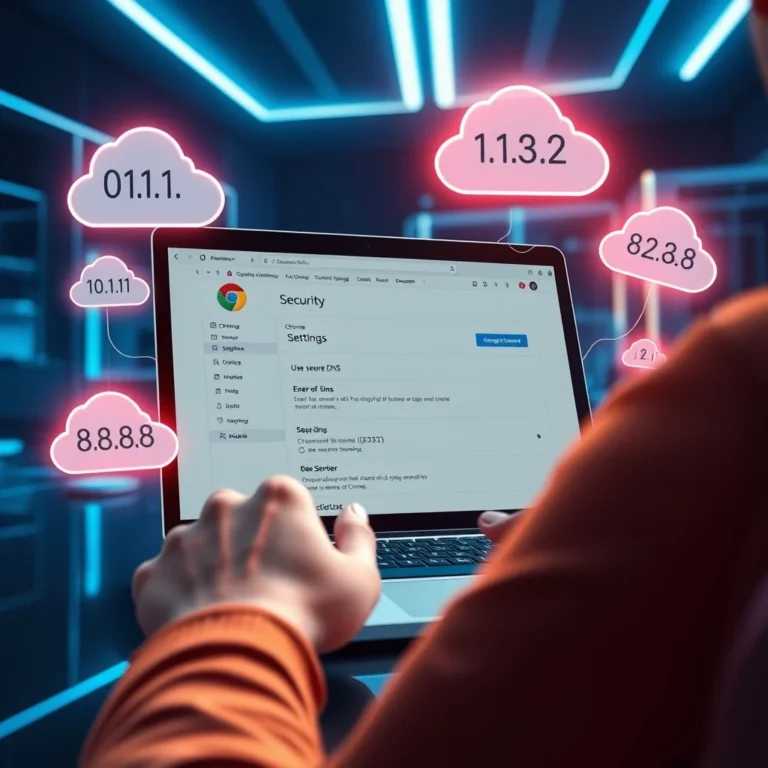
Your internet service provider’s default Domain Name System (DNS) server translates domain names (like google.com) into IP addresses. However, ISP DNS servers can be slow and unreliable, leading to higher latency when loading websites or connecting to game servers.
Switching to a third-party DNS server can significantly reduce latency and improve overall internet responsiveness. Some of the best options include:
- ✅ Cloudflare DNS (1.1.1.1) – Fast and privacy-focused.
- 🎯 Google DNS (8.8.8.8) – Reliable and widely used.
- ⚠️ OpenDNS (208.67.222.222) – Offers additional security features.
- 🔒 Quad9 (9.9.9.9) – Blocks malicious domains for added security.
To change your DNS settings:
-
Access your router’s admin panel and navigate to the Internet or WAN settings.
-
Locate the DNS settings and enter the primary and secondary DNS server addresses.
-
Save the settings and restart your router to apply changes.
-
Alternatively, you can change DNS settings on individual devices. For Windows, go to Control Panel > Network and Sharing Center > Change adapter settings, right-click your connection, and select Properties > IPv4 > Properties to enter custom DNS servers.
🛡️ Securing Your Network to Prevent Throttling and Attacks
A secure network isn’t just about preventing hackers—it’s also about ensuring your ISP doesn’t throttle your connection based on the type of traffic you’re using. Some ISPs limit speeds for gaming or streaming, especially if they detect heavy usage. By securing your network, you can bypass throttling and maintain optimal speeds.
Here are key security measures to implement:
- ✅ Enable WPA3 Encryption – The latest WiFi security standard provides stronger protection against brute-force attacks.
- 🎯 Change the Default SSID and Password – Use a unique network name and a strong password to prevent unauthorized access.
- ⚠️ Disable WPS (WiFi Protected Setup) – WPS is vulnerable to hacking and should be turned off.
- 🔒 Enable Firewall and SPI (Stateful Packet Inspection) – This adds an extra layer of protection against malicious traffic.
- 🛑 Set Up a Guest Network – Isolate guest devices from your main network to prevent them from accessing shared files or devices.
Additionally, consider using a VPN to encrypt your traffic and prevent ISP throttling. While a VPN may introduce a slight increase in latency, the trade-off for uncapped speeds and privacy is often worth it for gamers and streamers.
📈 Monitoring Network Performance with Real-Time Tools
To ensure your router is performing optimally, you need to monitor network traffic in real-time. This helps you identify bandwidth hogs, latency spikes, and connection drops before they become a problem.
Here are some of the best tools for monitoring router performance:
- ✅ NetSpot – Provides a visual map of your WiFi network, showing signal strength and interference levels.
- 🎯 Wireshark – A powerful tool for analyzing network traffic and identifying issues.
- ⚠️ GlassWire – Offers real-time monitoring and alerts for unusual network activity.
- 🔍 Router’s Built-in Monitoring Tools – Most modern routers include traffic monitoring features in their admin panels.
Regularly checking these tools will help you quickly diagnose and resolve performance issues before they impact your gaming or streaming experience.
🛠️ Troubleshooting Common Router Issues
Even with the best configuration, routers can sometimes develop issues that degrade performance. Below are some of the most common problems and how to fix them.
🔄 Slow Speeds Despite High-Speed Internet
If your ISP provides high-speed internet but your WiFi speeds are significantly slower, the issue is likely with your router or network setup.
Possible causes and solutions:
- ✅ Outdated firmware – Update your router’s firmware to the latest version.
- 🎯 Interference from other networks – Change your WiFi channel to avoid congestion.
- ⚠️ Weak signal strength – Move your router to a better location or use a WiFi extender.
- 📡 Too many devices on the network – Limit bandwidth usage for non-essential devices.
- 🔌 Ethernet cables are damaged or outdated – Replace cables with Cat6 or Cat7 for better performance.
📉 High Latency and Ping Spikes
High latency and ping spikes can ruin your gaming experience, making it feel like you’re playing on a dial-up connection.
Possible causes and solutions:
- ✅ Network congestion – Enable QoS to prioritize gaming traffic.
- 🎯 Background downloads or updates – Pause downloads or set them to run at off-peak hours.
- ⚠️ ISP throttling – Use a VPN to bypass throttling or contact your ISP for an explanation.
- 📡 WiFi interference – Switch to a 5GHz band or use an Ethernet cable.
- 🔄 Router overheating – Ensure your router has proper ventilation and isn’t placed near heat sources.
📶 Frequent Disconnections
If your router keeps disconnecting, it can be incredibly frustrating, especially during critical moments in a game or stream.
Possible causes and solutions:
- ✅ Outdated firmware – Update your router’s firmware to fix bugs.
- 🎯 DHCP lease time is too short – Increase the DHCP lease time in your router settings to prevent IP address conflicts.
- ⚠️ Interference from other electronic devices – Move your router away from microwaves, cordless phones, and Bluetooth devices.
- 📡 Weak signal strength – Use a WiFi extender or move to a better location.
- 🔌 Power supply issues – Ensure your router is plugged into a surge protector or a dedicated outlet.
🔍 Frequently Asked Questions About Router Optimization
-
How often should I update my router’s firmware?
You should check for firmware updates every 3-6 months, or immediately if you’re experiencing performance issues. Manufacturers release updates to fix bugs, improve stability, and add new features. Enabling automatic updates is the easiest way to stay up to date.
-
Does using a VPN affect my gaming or streaming performance?
A VPN can increase latency by 10-30ms due to encryption overhead, but it can also help bypass ISP throttling and protect your privacy. For competitive gaming, a VPN may not be ideal, but for casual gaming or streaming, the trade-off is often worth it.
-
What’s the best WiFi channel for gaming and streaming?
For 2.4GHz, channels 1, 6, and 11 are the least overlapping. For 5GHz, channels like 36, 40, 44, 48, 149, 153, 157, and 161 are ideal. Use a WiFi analyzer tool to find the least congested channel in your area.
-
Should I use QoS for gaming and streaming?
Yes, enabling QoS ensures that gaming and streaming traffic receive priority over other activities like downloads or video calls. Most modern routers offer automatic QoS, which simplifies the process.
-
How can I reduce WiFi interference in my home?
To minimize interference, switch to a 5GHz band, change your WiFi channel to a less congested one, and keep your router away from electronic devices like microwaves and cordless phones. Using beamforming can also help focus the signal toward your devices.
-
Is it better to use WiFi or Ethernet for gaming and streaming?
For the lowest latency and highest reliability, use an Ethernet cable to connect your gaming PC or console directly to the router. WiFi is convenient but can introduce latency and packet loss, especially if the signal is weak or congested.
-
What’s the ideal bandwidth allocation for gaming and streaming?
A good starting point is to allocate 80% of your bandwidth to gaming and streaming, leaving 20% for other devices. Adjust these percentages based on your specific needs and the number of devices on your network.
-
How do I know if my ISP is throttling my connection?
Run a speed test during peak hours and compare it to speeds during off-peak hours. If speeds drop significantly during peak times, your ISP may be throttling your connection. Using a VPN can help bypass throttling by masking your traffic type.
-
Can I improve my router’s performance without buying a new one?
Yes! Many optimizations can be done with your existing router, such as updating firmware, changing WiFi channels, enabling QoS, and optimizing placement. However, if your router is more than 5 years old or doesn’t support WiFi 6, upgrading may be necessary for the best performance.
-
What’s the difference between MU-MIMO and beamforming?
MU-MIMO (Multi-User Multiple Input Multiple Output) allows the router to communicate with multiple devices simultaneously, improving overall network efficiency. Beamforming focuses the WiFi signal toward specific devices, enhancing signal strength and reducing interference. Many modern routers support both technologies for optimal performance.
🏁 Final Verdict: Is Your Router Optimized for Gaming and Streaming?
Optimizing your router for gaming and streaming isn’t just about tweaking a few settings—it’s about transforming your network into a high-performance machine capable of handling the demands of modern online activities. By following the steps outlined in this guide, you should see noticeable improvements in speed, latency, and stability.
However, the key to long-term success lies in ongoing monitoring and adjustments. Networks are dynamic, and what works today may not work tomorrow. Regularly check for firmware updates, monitor network performance, and tweak settings as needed to maintain optimal performance.
If you’ve taken the time to implement all the optimizations discussed here, you’re well on your way to a smoother, faster, and more reliable gaming and streaming experience. For those who demand the absolute best, consider upgrading to a high-end gaming router or a mesh WiFi system to future-proof your network.
Remember, the goal isn’t just to reduce lag or improve speeds—it’s to eliminate distractions and enhance your overall experience. Whether you’re climbing the ranks in Fortnite, streaming Twitch, or binge-watching your favorite shows, a well-optimized router ensures that your focus stays where it belongs: on the action.
Now, it’s time to take control of your network and unlock its full potential. Adjust your settings, test your connection, and experience the difference that proper router configuration can make!