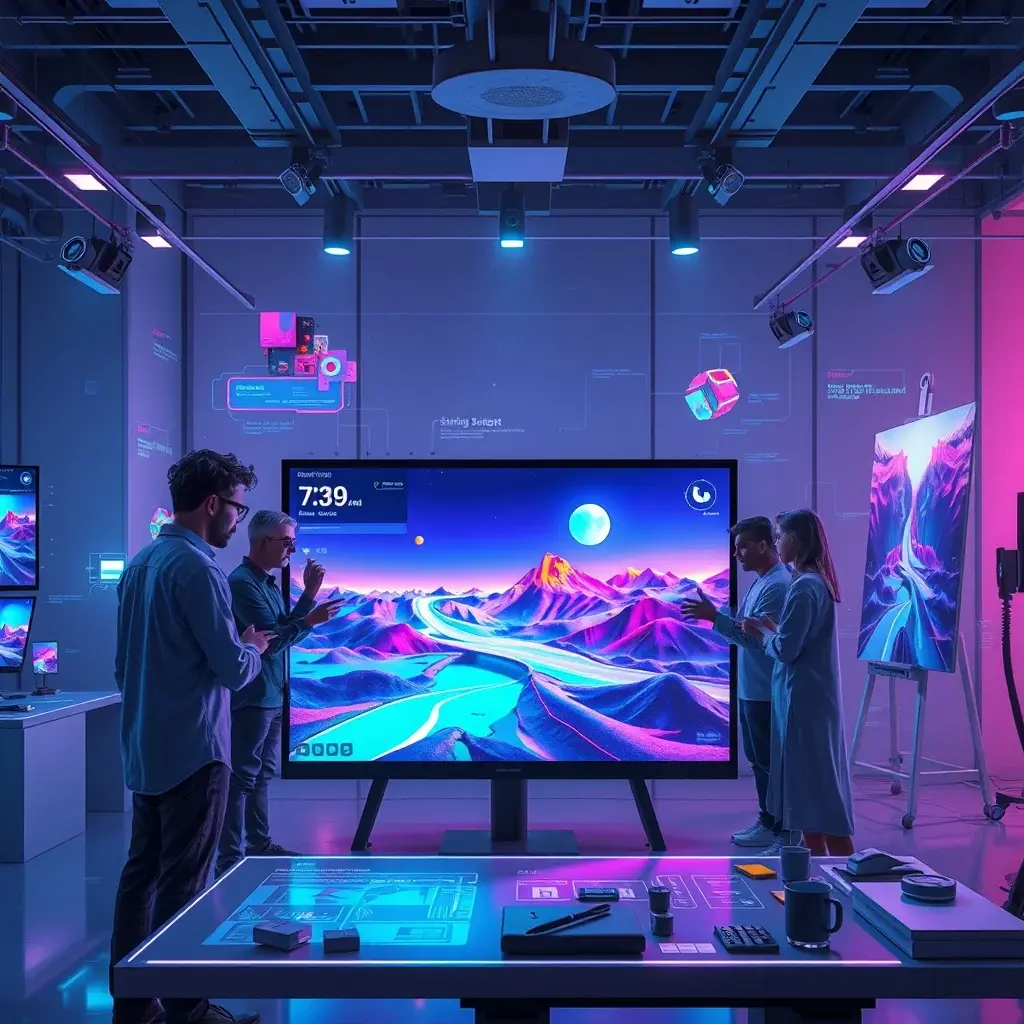

The rise of artificial intelligence has revolutionized creative industries, particularly in the realm of digital art. Where once artists spent countless hours crafting pieces by hand, today’s algorithms can generate stunning visuals in seconds. However, this technological leap has introduced complex legal and ethical questions about ownership, copyright, and commercial viability. AI-generated art presents a unique challenge: if a machine creates the artwork, who owns it? Can it be sold legally? This article explores the platforms where you can sell AI art, the copyright laws shaping this space, and actionable strategies to protect your work while maximizing profitability.
📰 Why AI-Generated Art is Creating a Legal Revolution
Artificial intelligence has democratized creativity, allowing artists, designers, and even non-artists to produce visually compelling artwork without traditional artistic skills. Platforms like MidJourney, DALL-E, and Stable Diffusion have made it possible for anyone to generate images by simply inputting text prompts. While this technology empowers creators, it also raises critical questions about intellectual property rights. The fundamental issue revolves around the ownership of AI-generated works. Most jurisdictions, including the United States and the European Union, have not fully addressed this legal gray area. Generally, if an AI system autonomously creates a piece without direct human input beyond the prompt, the artwork may not be eligible for copyright protection. However, when human artists use AI as a tool—refining prompts, adjusting outputs, and adding personal touches—the resulting work may gain copyright protection.
Understanding these distinctions is crucial for anyone looking to sell AI-generated art. Without proper legal knowledge, creators risk losing control over their work or facing copyright infringement claims. This section will clarify the legal landscape and explain why copyright law remains the most critical factor when monetizing AI art.
📊 The Copyright Conundrum: Who Owns AI Art?
The heart of the AI art debate lies in copyright law. In most countries, copyright protection requires a human author. When an AI system generates artwork independently, the output typically falls into the public domain because no human can claim authorship. However, if a human artist guides the AI through prompt engineering, curation, and post-processing, the final piece becomes eligible for copyright registration. For example, the U.S. Copyright Office has stated that works created with AI assistance may receive protection only for the human-authored elements.
The European Union’s approach differs slightly. Under the EU’s Copyright Directive, AI-generated works without significant human input are not protected. However, the EU emphasizes that even minimal human creativity—such as selecting or arranging elements—can qualify the work for copyright. This nuance is vital for artists using AI tools. If your AI-generated art includes original compositions, unique stylistic choices, or curated collections, you may have a stronger claim to copyright. Conversely, using generic prompts and minimal adjustments may leave your work unprotected.
🔹 Key Legal Considerations for AI Artists
- Human Authorship Requirement: Ensure your work includes substantial human creativity. Simply inputting a prompt into an AI tool is unlikely to qualify for copyright.
- Documentation: Maintain records of your creative process to prove human involvement.
- Licensing: If you use pre-trained AI models, review their terms of service. Some platforms, like DALL-E, grant users rights to commercialize their outputs, while others impose restrictions.
- Trademark and Branding: Protect your artist brand by registering trademarks for your AI-generated art collection names or styles.
These legal aspects are not just theoretical. In 2023, an artist named Kristina Kashtanova attempted to copyright a comic book created using MidJourney. The U.S. Copyright Office initially rejected the application, arguing that the AI-generated images lacked human authorship. After Kashtanova provided evidence of her creative input, the copyright was partially reinstated. This case highlights the importance of understanding how copyright law applies to AI art and the need for clear documentation.
🛠️ Top Platforms for Selling AI-Generated Art Legally
Once you understand the legal framework, the next step is choosing the right platform to sell your AI-generated art. Not all marketplaces are created equal, and each has its policies regarding AI-generated content. Some platforms welcome AI art, while others restrict or ban it entirely. Below, we explore the most reputable platforms where you can sell AI art legally and profitably.
🎨 Etsy: The Creative Marketplace for Unique AI Designs
Etsy has become a go-to platform for artists selling AI-generated art, particularly digital prints, stickers, and posters. The marketplace’s community values creativity and originality, making it an ideal space for AI artists. However, Etsy’s policies require sellers to disclose if their products are AI-generated. This transparency helps maintain buyer trust and avoids potential disputes. Sellers must also ensure their work complies with copyright laws. If your AI-generated art includes recognizable characters, logos, or copyrighted material, you risk having your listings removed or facing legal action.
To succeed on Etsy, focus on niche markets. Instead of selling generic AI-generated landscapes, consider creating themed collections, such as “AI-Generated Fantasy Maps” or “Cyberpunk Cityscapes.” These specialized products attract collectors and enthusiasts willing to pay premium prices. Additionally, use high-quality mockups to showcase your art in real-world settings, such as framed prints on a wall or printed on merchandise like tote bags.
💡 Monetization Strategies on Etsy
- Limited Editions: Offer AI-generated prints in limited quantities to create exclusivity and increase perceived value.
- Customization: Allow buyers to request personalized AI art, such as portraits or custom illustrations, for a premium price.
- Bundles: Sell sets of AI-generated art, such as a series of abstract designs or themed wall art.
Etsy’s seller fees are reasonable, with a 6.5% transaction fee plus payment processing fees. The platform also offers promotional tools, such as sales and discounts, to help artists boost visibility. However, competition is fierce, so invest time in optimizing your listings with strong keywords, high-quality images, and detailed descriptions.
📸 Adobe Stock: Professional-Grade AI Art for Commercial Use
Adobe Stock is a leading marketplace for stock images, vectors, and illustrations. Unlike Etsy, which caters to individual buyers, Adobe Stock focuses on commercial clients, including businesses, marketers, and publishers. This platform is ideal for artists looking to license their AI-generated art for use in advertisements, websites, and marketing materials. Adobe Stock’s submission process is rigorous, ensuring only high-quality content is accepted. Artists must adhere to strict guidelines, including technical specifications for image resolution, file formats, and metadata.
One of the advantages of Adobe Stock is its integration with Adobe Creative Cloud. If you use Photoshop, Illustrator, or other Adobe tools to refine your AI-generated art, you can easily upload and manage your portfolio. Additionally, Adobe Stock offers a revenue-sharing model where artists earn between 33% and 60% of the sale price, depending on their contributor level. Higher-tier contributors receive a larger share of the profits.
🔹 How to Succeed on Adobe Stock
- Keyword Optimization: Use relevant keywords in your image descriptions to improve search visibility. For example, instead of “AI-generated landscape,” use “futuristic cityscape digital art” or “AI-generated abstract background.”
- Consistency: Upload regularly to build a strong portfolio and increase your chances of appearing in Adobe Stock’s curated collections.
- Trend Research: Monitor Adobe Stock’s trending categories and create AI art that aligns with current market demands, such as sustainability-themed illustrations or AI-generated portraits for social media.
While Adobe Stock is highly competitive, its professional audience and commercial focus make it a lucrative platform for serious AI artists. However, the submission process can be time-consuming, and rejections are common. Be prepared to revise and resubmit your work based on Adobe’s feedback.
🌐 Redbubble: Print-on-Demand for AI Artists
Redbubble is a print-on-demand platform that allows artists to sell their designs on a variety of products, including t-shirts, mugs, phone cases, and stickers. Unlike Etsy, Redbubble handles printing, shipping, and customer service, so you can focus solely on creating art. The platform is particularly popular among digital artists, including those using AI tools. Redbubble’s policies allow AI-generated art, but sellers must ensure their designs do not infringe on copyrights or trademarks.
One of the key advantages of Redbubble is its global reach. The platform ships products worldwide, giving artists access to international markets. Additionally, Redbubble offers tools to help sellers promote their work, such as social media integrations and promotional discounts. However, the marketplace is highly competitive, and profit margins can be slim due to Redbubble’s base prices and production costs.
💡 Tips for Maximizing Sales on Redbubble
- Niche Products: Create AI-generated art specifically tailored to popular product categories, such as “AI-Generated Cat Stickers” or “Cyberpunk-themed Phone Cases.”
- Seasonal Designs: Capitalize on holidays and trends by uploading AI art that aligns with seasonal themes, such as Halloween posters or Christmas-themed mugs.
- Artist Stores: Redbubble allows artists to create custom stores with branding. Use this feature to curate a cohesive collection of AI-generated art and build a loyal following.
Redbubble’s revenue model is straightforward. Artists earn a percentage of the sale price, which varies depending on the product type. For example, t-shirts typically yield a higher profit margin than stickers. To increase earnings, focus on high-margin products and promote your designs through social media and art communities.
🔍 Navigating Copyright Laws for AI-Generated Art
Copyright law is the cornerstone of selling AI-generated art legally. Without a clear understanding of these laws, artists risk losing control over their work or facing legal disputes. This section delves into the specifics of copyright protection for AI art, including how to register your work, what elements are eligible for protection, and how to avoid infringement.
📜 Registering AI-Generated Art for Copyright Protection
In the United States, copyright protection is automatic upon the creation of an original work. However, registering your work with the U.S. Copyright Office provides legal benefits, such as the ability to sue for infringement and claim statutory damages. To register AI-generated art, you must demonstrate substantial human creativity in the final piece. This could include the selection of prompts, curation of outputs, or post-processing techniques like color correction and composition adjustments.
The registration process involves submitting an application online, paying a fee, and providing a copy of the work. The U.S. Copyright Office has clarified that AI-generated works without human involvement are not eligible for registration. If your work is primarily AI-generated with minimal human input, you may only register the human-authored elements. For example, if you use AI to generate a landscape but add human touches like a signature or unique stylistic elements, those additions may be eligible for copyright protection.
🔹 International Copyright Considerations
Copyright laws vary by country, so it’s essential to understand the regulations in your target market. In the European Union, the Copyright Directive allows for copyright protection if the AI-generated work reflects the author’s own intellectual creation. This means that even minimal human creativity can qualify the work for protection. In contrast, countries like Canada and Australia follow a similar approach, emphasizing human authorship.
If you plan to sell your AI art internationally, research the copyright laws in your target markets. Some platforms, like Adobe Stock, require artists to warrant that their submissions do not infringe on copyrights. Failure to comply can result in account termination or legal action. To mitigate risks, avoid using AI models trained on copyrighted material without permission and ensure your work is original and transformative.
🛑 Avoiding Copyright Infringement in AI Art
Copyright infringement is a significant risk in the AI art space. Many AI models, particularly those trained on large datasets, may inadvertently reproduce copyrighted material. For example, if an AI is trained on millions of images, it may generate outputs that resemble existing artwork, photographs, or even logos. This can lead to legal disputes, account suspensions, or financial penalties.
To avoid copyright infringement, follow these best practices:
- Avoid Stylistic Mimicry: Do not use AI tools to replicate the style of living artists without permission. Even if the AI generates a unique image, the style itself may be copyrighted.
- Use Licensed Datasets: If you train your own AI models, use licensed datasets or public domain images to reduce the risk of infringement.
- Check for Trademarks: Ensure your AI-generated art does not include recognizable trademarks or logos, such as Disney characters or Nike swooshes.
- Modify AI Outputs: Add significant human creativity to AI-generated outputs to transform them into original works. This could include combining multiple AI images, adding textures, or altering colors.
💡 Ethical Considerations in AI Art
Beyond legal compliance, ethical considerations play a role in the AI art ecosystem. Many traditional artists argue that AI-generated art devalues human creativity and exploits the work of living artists. As an AI artist, consider the ethical implications of your work. Support fellow artists by crediting their influences, avoiding the replication of their styles, and contributing to communities that promote fair use of AI tools. Transparency is key—disclose when your work is AI-generated to maintain trust with your audience.
💰 Monetization Strategies for AI-Generated Art
Creating AI-generated art is only half the battle. The real challenge lies in monetizing your work effectively. This section explores various strategies to generate income from AI art, including licensing, print-on-demand, commissions, and digital products. Whether you’re a hobbyist or a professional artist, these strategies can help you turn your creativity into a sustainable revenue stream.
📄 Licensing AI Art for Passive Income
Licensing is one of the most lucrative ways to monetize AI-generated art. Instead of selling physical products, you license your designs to businesses, publishers, and individuals for use in their projects. Platforms like Adobe Stock, Shutterstock, and Creative Market facilitate licensing agreements, allowing artists to earn royalties from their work. The key to successful licensing is creating commercially viable designs that meet market demands.
For example, businesses often need AI-generated backgrounds for websites, illustrations for marketing materials, or unique textures for product designs. If your AI art aligns with these needs, you can earn passive income by licensing it to multiple clients. The revenue model typically involves earning a percentage of each sale or a flat fee for exclusive licenses.
🔹 Types of Licenses for AI Art
- Royalty-Free License: Allows buyers to use the art for multiple projects without paying royalties. This is the most common type of license on stock platforms like Adobe Stock.
- Rights-Managed License: Grants exclusive rights to a single buyer for a specific use case, such as a one-time advertisement campaign. Rights-managed licenses command higher fees but require more negotiation.
- Creative Commons License: Allows artists to share their work under specific terms, such as non-commercial use or attribution requirements. This is ideal for artists looking to build a following or collaborate with others.
To maximize licensing income, diversify your portfolio across multiple platforms and license types. For instance, you might license your AI-generated art on Adobe Stock under a royalty-free model while offering exclusive rights to a specific design through a direct contract with a client.
🖼️ Selling Digital Downloads for Instant Delivery
Digital downloads are a popular monetization strategy for AI artists because they require minimal overhead and allow for instant delivery. Platforms like Gumroad, Creative Market, and Etsy enable artists to sell digital files, such as high-resolution prints, brushes, or templates. Buyers can download the files immediately after purchase, making this an efficient way to generate income without managing inventory or shipping.
The key to success with digital downloads is creating products that provide tangible value. For example, AI-generated Photoshop brushes, Procreate textures, or Canva templates are highly sought after by digital artists and designers. If your AI art can enhance someone else’s creative process, it’s likely to sell well. Additionally, bundle related products, such as a set of AI-generated icons or a collection of abstract backgrounds, to increase the perceived value and encourage bulk purchases.
🔹 Pricing Strategies for Digital Downloads
- Per-File Pricing: Charge a flat fee for individual files, such as $5 for a high-resolution print or $10 for a set of brushes.
- Subscription Model: Offer a monthly subscription where subscribers receive exclusive AI-generated art or design resources. This model provides recurring revenue but requires consistent content updates.
- Pay-What-You-Want: Allow buyers to choose their price within a set range. This strategy can attract more customers but may reduce overall profits.
Promote your digital downloads through social media, email newsletters, and art communities. Highlight the unique benefits of your products, such as exclusive designs or high-quality files, to justify the price. Additionally, offer limited-time discounts or bundles to encourage impulse purchases.
🎨 Offering Custom AI Art Commissions
Custom commissions allow you to create personalized AI-generated art for clients, charging premium prices for bespoke designs. This monetization strategy is ideal for artists looking to build one-on-one relationships with buyers and showcase their unique creative process. Custom commissions can range from personalized portraits to themed illustrations for weddings, businesses, or social media campaigns.
The process typically involves the following steps:
- Consultation: Discuss the client’s requirements, including style preferences, color schemes, and any specific elements they want included in the artwork.
- Prompt Engineering: Use AI tools to generate initial concepts based on the client’s input. Refine the prompts and outputs based on the client’s feedback.
- Post-Processing: Add human touches to the AI-generated art, such as custom typography, textures, or branding elements.
- Delivery: Provide the final artwork in the client’s preferred format, such as a high-resolution image or a print-ready file.
🔹 Pricing Custom AI Art Commissions
The pricing for custom commissions depends on factors such as complexity, size, and client requirements. For example, a simple AI-generated portrait might cost $50, while a detailed, themed illustration for a business campaign could range from $200 to $500. To avoid scope creep, set clear expectations in your commission agreement, including the number of revisions and delivery timeline.
Promote your custom commission services through your website, social media profiles, and art communities like DeviantArt or Behance. Showcase examples of past commissions to build credibility and attract clients. Additionally, offer tiered pricing options to cater to different budgets, such as basic, standard, and premium packages.
🛡️ Protecting Your AI-Generated Art from Theft and Infringement
Protecting your AI-generated art from theft is crucial for maintaining control over your work and maximizing profits. Without proper safeguards, your designs can be copied, redistributed, or used without permission, leading to lost revenue and damaged reputation. This section explores strategies to protect your AI art, including watermarking, copyright registration, and legal recourse.
🔐 Watermarking and Metadata: Essential Tools for Art Protection
Watermarking is a simple yet effective way to deter theft and assert ownership of your AI-generated art. A watermark is a visible or invisible mark embedded in the image, such as a logo, text, or pattern. Visible watermarks are highly effective for deterring casual theft, as they make it difficult for others to use the image without permission. Invisible watermarks, or digital signatures, are embedded in the metadata and can be used to track unauthorized use.
To add a watermark to your AI-generated art, use tools like Adobe Photoshop, GIMP, or dedicated watermark software. For example, you can create a semi-transparent overlay of your artist name or logo across the image. Alternatively, use metadata tools to embed copyright information directly into the file’s properties. This metadata can include your name, contact information, and copyright notice, making it easier to prove ownership in case of infringement.
🔹 Best Practices for Watermarking
- Balance Visibility and Aesthetics: Ensure your watermark is visible enough to deter theft but not so intrusive that it detracts from the artwork.
- Use Unique Designs: Avoid generic watermarks like “Copyright 2026.” Instead, use your artist name, logo, or a unique pattern that reflects your style.
- Protect High-Resolution Files: Watermark high-resolution versions of your AI art to prevent unauthorized use in print or large-scale projects.
In addition to watermarking, leverage metadata to protect your work. Metadata includes information such as the artist’s name, copyright status, and creation date. Tools like Adobe Bridge or ExifTool allow you to embed and edit metadata in image files. By including your copyright notice in the metadata, you create a digital trail that proves ownership and simplifies the process of reporting infringement.
⚖️ Legal Recourse for Art Theft: What to Do If Your Work Is Stolen
Despite your best efforts, your AI-generated art may still be stolen or used without permission. In such cases, taking legal action is often necessary to protect your rights and seek compensation. The first step is gathering evidence of the infringement, such as screenshots of the unauthorized use, URLs of the offending websites, and timestamps of the theft. This documentation is crucial for filing a copyright claim or sending a cease-and-desist letter.
The process of addressing art theft varies depending on the jurisdiction and the extent of the infringement. In the United States, you can file a DMCA (Digital Millennium Copyright Act) takedown notice with the platform hosting the stolen work. Platforms like Etsy, Redbubble, and social media sites typically have processes for reporting copyright infringement. Provide clear evidence of ownership and the infringing material to expedite the removal process.
🔹 Steps to Take When Your Art Is Stolen
- Document the Infringement: Take screenshots, note the URL, and document the date and time of the theft.
- Contact the Infringing Party: Send a polite but firm message requesting the removal of the stolen work. Include evidence of your copyright ownership.
- File a DMCA Takedown Notice: If the infringing party does not comply, file a DMCA notice with the hosting platform or website owner.
- Consult an Attorney: If the theft is significant or the infringing party refuses to cooperate, consult an intellectual property attorney to explore legal options, such as filing a lawsuit.
In some cases, art theft may be unintentional, such as when a buyer unknowingly resells your work without permission. To prevent such situations, include clear terms of use in your sales agreements, such as prohibiting redistribution or commercial use without a license. Additionally, educate your buyers about the importance of respecting copyright and obtaining proper permissions.
🌟 Future Trends: The Evolving Landscape of AI Art and Copyright
The AI art industry is evolving rapidly, with new technologies, legal precedents, and market trends shaping the future of creative expression. As AI tools become more advanced, the lines between human and machine creativity continue to blur. This section explores the emerging trends in AI art, including legal developments, technological advancements, and shifting market dynamics. Understanding these trends will help artists stay ahead of the curve and adapt their strategies accordingly.
📈 Legal Precedents and Potential Changes to Copyright Law
Copyright law surrounding AI-generated art is still in its infancy, and legal precedents are beginning to emerge. In 2023, the U.S. Copyright Office issued updated guidance clarifying that AI-generated works without human involvement are not eligible for copyright protection. However, the office acknowledged that human-authored elements within AI-generated works may receive protection. This guidance provides a framework for artists using AI tools, but it also leaves many questions unanswered, such as how much human input is required for copyright eligibility.
Legal experts predict that copyright laws will continue to evolve as AI technology advances. Some anticipate that new legislation may address the ownership of AI-generated works, potentially granting rights to the AI’s user or the developers of the AI tool. In the European Union, the AI Act, which is expected to be finalized in 2026, may introduce regulations around AI-generated content, including art. These developments could have significant implications for artists, so staying informed about legal changes is essential.
🔹 Anticipated Changes to Copyright Law
- Human Authorship Requirement: Future laws may clarify the amount of human input required for copyright eligibility, providing clearer guidelines for AI artists.
- AI-Assisted Works: New legislation could address the ownership of works created with AI assistance, potentially granting rights to the human contributor.
- International Harmonization: As AI art becomes a global phenomenon, countries may collaborate to create standardized copyright laws for AI-generated works.
For artists, these legal developments present both challenges and opportunities. While stricter regulations may limit certain uses of AI tools, clearer guidelines could provide greater certainty around ownership and commercialization. Artists who stay ahead of these trends and adapt their practices accordingly will be well-positioned to thrive in the evolving AI art landscape.
🤖 Technological Advancements: The Next Frontier of AI Art
AI technology is advancing at an unprecedented pace, with new tools and capabilities emerging regularly. These advancements are transforming the creative process, enabling artists to generate more complex, detailed, and personalized artwork. For example, AI models like DALL-E 3 and MidJourney v6 have improved prompt comprehension, allowing artists to create highly specific and nuanced designs. Additionally, tools like Runway ML and Leonardo.AI are integrating AI into video editing and 3D modeling, expanding the possibilities for AI-generated art beyond static images.
One of the most exciting developments is the rise of AI-powered collaboration tools. Platforms like Adobe Firefly and Canva’s AI features allow artists to combine AI-generated elements with traditional design techniques, creating hybrid workflows that blend human creativity with machine efficiency. These tools are democratizing art creation, enabling non-artists to produce professional-quality designs and empowering artists to focus on high-level creative decisions.
🔹 Emerging AI Art Trends to Watch
- Interactive AI Art: Tools like NVIDIA’s GauGAN allow users to create interactive, AI-generated landscapes that respond to user input, opening new possibilities for digital art and gaming.
- AI-Generated Music and Video: AI tools like Suno and Pika Labs are enabling artists to generate music, videos, and animations using text prompts, expanding the scope of AI art beyond static images.
- Personalized AI Art: Advances in AI personalization allow artists to create custom artwork tailored to individual preferences, such as AI-generated portraits or themed illustrations for specific occasions.
As AI technology becomes more accessible, the demand for AI-generated art is expected to grow. Artists who embrace these tools and integrate them into their creative processes will have a competitive edge in the market. However, the rapid pace of innovation also requires artists to stay adaptable and continuously update their skills.
🎯 Frequently Asked Questions About Selling AI-Generated Art
-
Can I sell AI-generated art legally?
Yes, you can sell AI-generated art legally as long as it includes substantial human creativity and does not infringe on copyrights. Ensure your work complies with platform policies and copyright laws. Documentation of your creative process is essential for proving ownership. -
Do I need to copyright my AI-generated art?
While copyright protection is automatic upon creation, registering your work with the U.S. Copyright Office provides legal benefits, such as the ability to sue for infringement. Copyright registration is recommended if you plan to monetize your art commercially. -
What platforms are best for selling AI-generated art?
Popular platforms include Etsy, Adobe Stock, Redbubble, and Creative Market. Each platform has its policies and audience, so choose the one that aligns with your goals and target market. -
How can I avoid copyright infringement in AI art?
To avoid infringement, use AI tools with clear licensing terms, avoid replicating copyrighted styles or material, and document your creative process. Ensure your work is original and transformative to minimize legal risks. -
What are the best monetization strategies for AI-generated art?
Monetization strategies include licensing, digital downloads, print-on-demand, and custom commissions. Diversify your income streams by exploring multiple platforms and revenue models. -
How do I protect my AI-generated art from theft?
Protect your art by watermarking high-resolution files, embedding metadata with copyright information, and monitoring platforms for unauthorized use. File DMCA takedown notices if your work is stolen, and consult an attorney for severe cases. -
What are the ethical considerations of selling AI-generated art?
Ethical considerations include supporting fellow artists, avoiding the replication of their styles without permission, and disclosing the use of AI tools transparently. Consider the impact of AI on the creative industry and strive to promote fair and ethical practices. -
Will copyright laws change in the future for AI art?
Yes, copyright laws are expected to evolve as AI technology advances. Stay informed about legal developments and adapt your practices accordingly. Organizations like WIPO and the U.S. Copyright Office provide updates on AI art regulations. -
Can I use AI tools trained on copyrighted material?
Using AI tools trained on copyrighted material without permission may expose you to legal risks. Opt for AI models with clear licensing terms or use public domain datasets to minimize infringement risks. -
What are the emerging trends in AI art for 2026?
Emerging trends include interactive AI art, AI-generated music and video, and personalized AI art. Advances in AI technology will continue to expand the possibilities for creative expression, requiring artists to stay adaptable and innovative.
🏁 Final Thoughts: Turning AI Art into a Sustainable Business
The world of AI-generated art is brimming with opportunities for creative professionals, entrepreneurs, and hobbyists alike. With the right tools, legal knowledge, and monetization strategies, artists can transform their AI-generated creations into a thriving business. However, success in this space requires more than just technical skills—it demands a deep understanding of copyright law, platform policies, and market trends. By staying informed, protecting your work, and diversifying your income streams, you can navigate the complexities of the AI art ecosystem and build a sustainable creative career.
As AI technology continues to evolve, the line between human and machine creativity will only become more blurred. Artists who embrace this change, adapt their practices, and prioritize ethical and legal compliance will be best positioned to thrive. Whether you’re selling digital downloads on Etsy, licensing your art on Adobe Stock, or offering custom commissions, the key to success lies in creating unique, high-quality work and leveraging the right platforms and strategies.
Remember, the AI art revolution is still in its early stages. By taking proactive steps today—such as documenting your creative process, protecting your intellectual property, and exploring diverse monetization avenues—you can future-proof your career and capitalize on the growing demand for AI-generated art. The future of creativity is here, and with the right approach, you can be a part of it.