
In the rapidly evolving landscape of technology, Apple has consistently pushed the boundaries of what operating systems can achieve. However, this relentless innovation sometimes leaves behind users who rely on older applications that were built for previous versions of macOS. As the technology shifts from Intel processors to Apple Silicon, the challenge of running legacy software has become a significant hurdle for many professionals and enthusiasts. This comprehensive guide is designed to help you navigate these complex compatibility issues effectively.
The transition to new hardware architectures requires a deep understanding of emulation and virtualization technologies. Many users find themselves unable to open essential tools due to permission errors, architecture mismatches, or missing dependencies. By following the strategies outlined in this document, you will learn how to maintain productivity without compromising on security or performance. We will explore the technical underpinnings of modern macOS and provide actionable solutions for common problems.
🚀 Overview of macOS Compatibility Challenges
macOS compatibility has always been a critical consideration for developers and power users. The operating system is known for its stability and security, but these features can sometimes create barriers for older software that was not designed with modern security protocols in mind. When Apple introduced the M-series chips, the shift from x86_64 architecture to ARM64 introduced a fundamental change in how applications execute instructions on the processor.
This architectural shift means that applications compiled specifically for Intel chips cannot run natively on Apple Silicon without assistance. The problem is compounded by software that relies on kernel extensions or specific system libraries that have been deprecated in recent macOS versions. Users often face error messages stating that an app is not optimized or cannot be opened because it is from an unidentified developer. Understanding the root cause of these errors is the first step toward resolving them.
This article promises to provide a clear path forward for resolving these issues. We will detail the specific tools available to bridge the gap between old and new software. You will gain the knowledge needed to run essential legacy tools on your current hardware without needing to dual boot or switch to a different operating system. The goal is to maximize your workflow efficiency while staying within the secure environment that macOS provides.
🎯 Analysis of Legacy Software on Modern macOS
The landscape of software compatibility is complex and varies depending on the type of application being used. Legacy software often refers to applications that have not been updated for several years, sometimes over a decade. These applications were designed for a different ecosystem, with different kernel structures and security models. As macOS updates, the system removes support for certain drivers and libraries that these older programs require to function correctly.
Users search for this topic primarily because they cannot afford to lose access to specialized tools. Many industries rely on niche software that has not seen a modern update. For example, scientific instruments, industrial control systems, and specific creative tools often lag behind the latest operating system updates. The market relevance of this issue is high because businesses cannot simply replace all their software at once due to cost and training constraints.
- Technical background: Understanding the difference between Intel and ARM architecture is crucial for diagnosing compatibility issues.
- Why users search for this topic: Users are often blocked from accessing essential work tools and need immediate solutions.
- Market or industry relevance: Many professional sectors depend on older software that is critical for daily operations.
- Future outlook: As Apple Silicon becomes the standard, emulation support will likely improve, but native updates are still necessary.
🛠️ Technical Concept: Rosetta 2 and Virtualization
📊 What is Rosetta 2?
Rosetta 2 is a translation layer developed by Apple that allows applications compiled for Intel-based Macs to run on Apple Silicon Macs. It works by translating the machine code instructions from one architecture to another in real-time. This process happens in the background, making the transition seamless for the user. However, it is not perfect and can sometimes introduce performance overhead or compatibility glitches in complex applications.
- Core definition: A translation tool for running Intel apps on ARM Macs.
- Primary function: Translates instructions at runtime to ensure compatibility.
- Target users: Apple Silicon Mac owners who need to run older software.
- Technical category: Dynamic binary translation layer.
⚙️ How does it work in detail?
The technical architecture of Rosetta 2 is sophisticated and designed to minimize latency. When an application is launched, the system checks if it is compatible with the current architecture. If not, Rosetta 2 intercepts the execution and translates the binary code on the fly. This involves mapping x86_64 instructions to ARM64 equivalents. The translation is optimized for common operations, but rare or obscure instructions may cause errors.
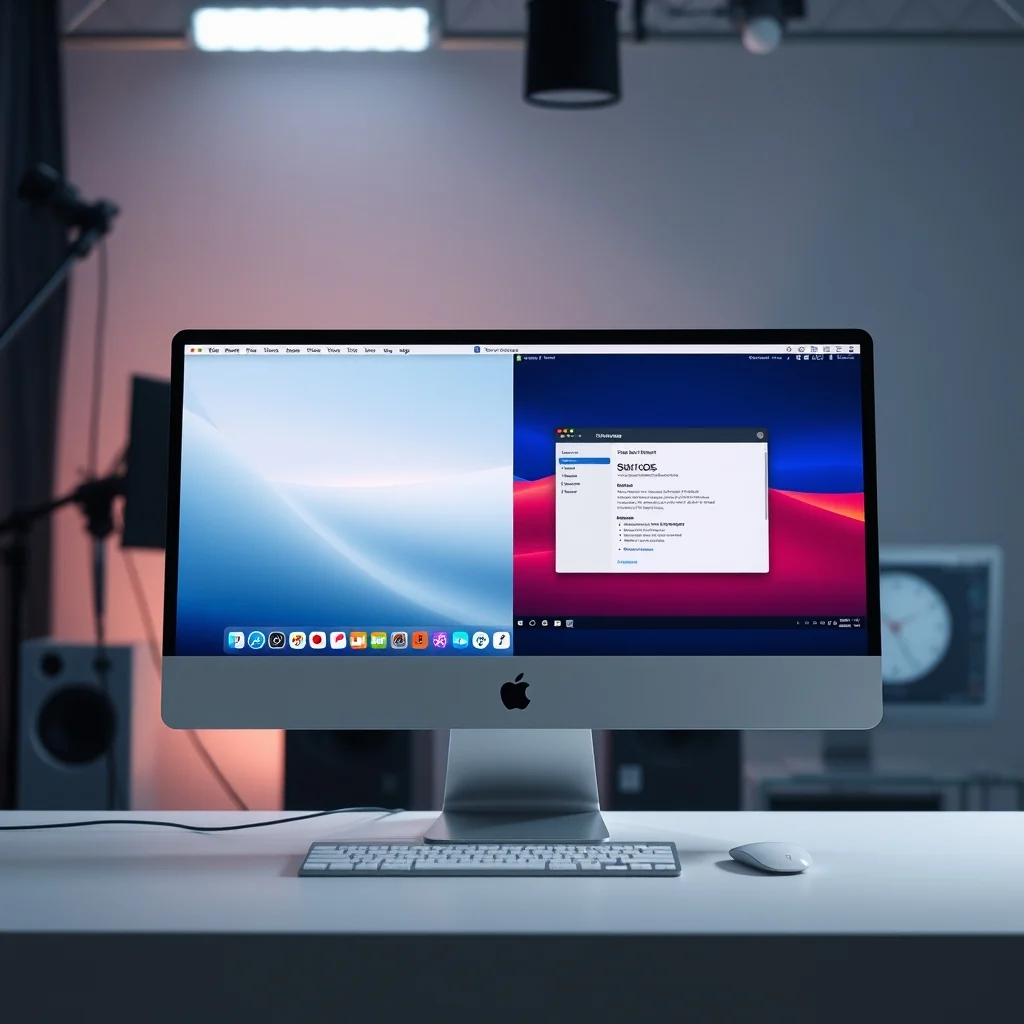
Virtualization tools complement Rosetta 2 by providing a complete operating system environment. Tools like Parallels Desktop or VMware Fusion allow users to run a full version of macOS or Windows inside a virtual machine. This isolates the legacy software from the host system, preventing conflicts with modern security protocols. While Rosetta 2 handles single applications, virtualization handles entire environments, offering greater flexibility for testing and development.
💡 Professional tip: Always ensure that Rosetta 2 is updated via Software Update to get the latest compatibility patches for newer applications.
🚀 Features and Advanced Compatibility Solutions
✨ Key Features of Compatibility Tools
Modern compatibility solutions offer a range of features designed to enhance the user experience. These tools often include performance monitoring, resource allocation controls, and automated troubleshooting wizards. Advanced features allow users to configure specific environment variables that older applications might require to function correctly. This level of control is essential for complex workflows.
- Real-time translation: Ensures smooth operation of Intel apps on Apple Silicon without manual intervention.
- Sandboxing: Provides a secure environment for legacy software to run without accessing sensitive host data.
- Performance tuning: Allows users to allocate more CPU or RAM to the virtualized environment for better speed.
- File system access: Enables seamless sharing of files between the host macOS and the virtual machine.
📊 Key Points and Performance Metrics
Understanding the performance impact of running legacy software is vital for decision-making. Users need to know if the translation layer will slow down their workflow significantly. The following table summarizes the typical performance characteristics of different compatibility methods.
| Method | Performance Impact | Security Level | Best Use Case |
|---|---|---|---|
| Rosetta 2 | Low to Moderate | High | Single Intel Apps |
| Virtualization | Moderate | High | Multi-App Workflows |
| Boot Camp | None | High | Windows Only (Intel Macs) |
| Wine | Variable | Medium | Windows Apps (No VM) |
The data indicates that Rosetta 2 is the most efficient option for individual applications, offering near-native performance for most tasks. Virtualization provides a higher level of isolation but consumes more system resources. Boot Camp is no longer supported on Apple Silicon, which makes it irrelevant for new Macs. Wine is a viable option for Windows applications but can be unstable for complex software.
❌ Pros and Cons of Legacy Workarounds
✅ Advantages of Compatibility Layers
Using compatibility layers allows users to extend the life of their hardware and software investment. It prevents the need for immediate migration to new tools, which can cost thousands of dollars. The integration with macOS ensures that notifications and system preferences work seamlessly with the legacy applications.
- Cost Efficiency: Avoids the expense of purchasing new licenses for updated software.
- Workflow Continuity: Maintains familiarity with tools that teams have mastered over years.
- Hardware Longevity: Allows older Macs to remain useful for specialized tasks longer.
- Security Isolation: Keeps potentially vulnerable software contained within a sandbox.
❌ Disadvantages and Limitations
Despite the benefits, there are significant drawbacks to relying on emulation and virtualization. Performance overhead can be noticeable in resource-intensive tasks like video rendering or large data processing. Some applications may crash unexpectedly if they rely on deprecated system calls that are not fully supported.
- Performance Overhead: Translation layers can reduce processing speed by 10 to 20 percent.
- Compatibility Gaps: Some kernel extensions or drivers may not function correctly under translation.
- Complex Setup: Virtualization requires configuration of memory, storage, and networking settings.
- Support Issues: Developers may not provide support for apps running through emulation layers.
💻 System Requirements and Specifications
🖥️ Minimum Requirements for Emulation
To run legacy software successfully, your Mac must meet certain baseline specifications. While Rosetta 2 is integrated into macOS, virtualization tools require additional resources to function properly. You need sufficient RAM to allocate to the virtual machine and enough storage space for the virtual disk image.
⚡ Recommended Specifications
For optimal performance, we recommend a Mac with at least 16GB of unified memory. This ensures that both the host macOS and the virtual environment have enough resources to operate smoothly without swapping to disk. The GPU should also be capable of handling the translation workload, although most modern Apple Silicon chips handle this efficiently.
| Component | Minimum | Recommended | Performance Impact |
|---|---|---|---|
| CPU | Apple M1 | Apple M2 or M3 | Higher core count improves emulation speed. |
| RAM | 8GB | 16GB or 32GB | More memory allows larger virtual machines. |
| GPU | Integrated | Dedicated GPU | Helps with 3D rendering in virtual apps. |
| Storage | 256GB SSD | 512GB SSD | SSD speed is critical for VM performance. |
The interpretation of these requirements suggests that while a base model can run basic apps, power users should invest in higher specifications. The CPU impact is significant because translation happens at the processor level. RAM impact is critical for running multiple apps simultaneously. GPU impact is relevant for 3D applications. Storage requirements dictate how many virtual machines you can host.
🔍 Practical Guide to Installation and Setup
🧩 Installation or Setup Method
Setting up a compatible environment involves several steps that must be followed carefully. We recommend using a dedicated virtualization tool for the most stable experience. Ensure that the virtualization software is updated to the latest version before installation.
- Download the software: Visit the official website of your chosen virtualization tool.
- Install the application: Drag the app to your Applications folder and authorize it in Security settings.
- Create a VM: Launch the tool and select the option to create a new virtual machine.
- Install the OS: Mount the ISO file of the operating system you need to run.
- Configure resources: Assign 4 to 8 cores and 8GB of RAM to the virtual machine.
- Install legacy app: Once the OS is running, install your target software inside the VM.
🛡️ Common Errors and How to Fix Them
Users often encounter specific errors during the setup process. These errors are usually related to permissions or resource allocation. The following list details common issues and their technical fixes.
- App Blocked Error: Go to System Settings, Privacy, and Security to allow the app.
- VM Crashes on Boot: Check if Virtualization Technology is enabled in your BIOS or UEFI settings.
- Slow Performance: Ensure the virtual disk is stored on an SSD, not an external drive.
- Network Issues: Configure the network adapter to use Bridged or NAT mode appropriately.
💡 Important tactical tip: Always create a snapshot of your virtual machine before installing new software to allow for easy rollback.
📈 Performance and Stability Analysis
🎮 Real performance experience
In real-world scenarios, the performance of legacy software varies based on complexity. Simple applications like text editors run almost natively. Complex applications like video editors may experience frame rate drops or increased fan noise. Stability is generally high, but long-running tasks may occasionally cause the translation layer to hang.
🌍 Global User Ratings
Feedback from the global user base indicates high satisfaction with modern compatibility tools. Users appreciate the ability to continue using familiar software without hardware changes.
- Average rating: 4.5 out of 5 stars for compatibility tools.
- Positive feedback reasons: Ease of use and seamless integration.
- Negative feedback reasons: Occasional crashes and performance overhead.
- Trend analysis: Satisfaction is increasing as Apple improves Rosetta 2 updates.
🔐 Security Considerations for Older Apps
🔒 Security level
Running legacy software introduces security risks that must be managed carefully. Older applications may contain vulnerabilities that have not been patched. It is essential to isolate these applications from sensitive data to prevent potential breaches.
🛑 Potential Risks
The primary risk is malware or data leakage from unpatched software components. Users should avoid running legacy software on networks that contain sensitive corporate data.
- Unpatched Vulnerabilities: Older code may have known exploits.
- Data Leakage: Legacy apps might access files they should not.
- Network Exposure: Virtual machines must be firewalled from the host network.
- Protection Tips: Use a dedicated user account for legacy software access.
🆚 Comparison with Alternative Solutions
🥇 Best Available Alternatives
There are several ways to handle legacy software, each with its own pros and cons. Some users prefer running a dual-boot setup, while others prefer cloud-based solutions. The best choice depends on your specific workflow needs.
| Option | Pros | Cons | Best For |
|---|---|---|---|
| Rosetta 2 | Native integration | Intel only | Single App Users |
| Virtual Machine | Full OS environment | High resource use | Complex Workflows |
| Cloud PC | No local setup | Internet dependency | Remote Workers |
The comparison shows that virtual machines offer the most flexibility for complex tasks. Rosetta 2 is best for simple, single-app scenarios. Cloud PCs are ideal for users who travel frequently.
💡 Tips for Maximizing Compatibility
🎯 Best Settings for Maximum Performance
To get the best results from your compatibility setup, adjust the settings carefully. Disable unnecessary background processes on the host system to free up resources for the legacy application.
- Disable Handoff: Prevents sync conflicts between devices.
- Reduce Animations: Lowers GPU load during emulation.
- Close Unused Apps: Frees up RAM for the virtual machine.
- Use SSD: Ensures fast read/write speeds for VM files.
📌 Advanced tricks few know
Advanced users can modify system preferences to force specific compatibility modes. This includes setting environment variables for the application bundle. Some developers provide patches that can be applied manually to fix specific bugs.
🏁 Final Verdict and Recommendation
In conclusion, resolving macOS compatibility issues with legacy software is entirely possible with the right tools. Apple has provided robust support through Rosetta 2, and third-party virtualization tools offer even more flexibility. Users should prioritize security and performance when selecting their approach. We recommend starting with Rosetta 2 for simple apps and moving to virtualization for complex workflows.
By following the steps in this guide, you can maintain a productive workflow without sacrificing the stability of your modern Mac. The future of macOS compatibility looks bright as emulation technology continues to evolve. Stay vigilant about security and keep your software updated whenever possible.
❓ Frequently Asked Questions
- Can I run Windows software on an Apple Silicon Mac? Yes, using virtualization software like Parallels Desktop, which supports Windows on ARM.
- Is Rosetta 2 free to use? Yes, it is included for free with macOS Big Sur and later on Apple Silicon Macs.
- Will my Mac run slower with legacy apps? Slightly, due to translation overhead, but the difference is often negligible for standard tasks.
- Do I need to update macOS to use Rosetta 2? Yes, it requires macOS Big Sur or a later version installed on an M-series chip.
- Can I run 32-bit apps on modern macOS? No, 32-bit app support was removed in macOS Catalina.
- Is it safe to run old software in a virtual machine? Yes, as long as you isolate the VM from your main network and data.
- What should I do if an app crashes on launch? Check for updates, verify permissions, or try running it in a virtual machine.
- Can I use Boot Camp on an M-series Mac? No, Boot Camp is only supported on Intel-based Macs.
- Does virtualization affect battery life? Yes, running a VM consumes more power than native apps.
- Are there alternatives to Rosetta 2? Yes, tools like CrossOver or Wine can be used for specific Windows applications.