
In the digital age, protecting your online identity is more critical than ever before. Traditional security measures, such as simple passwords and even Two-Factor Authentication, are no longer sufficient against sophisticated cyber threats. This guide explores advanced password management strategies that go beyond standard protection methods. We will delve into the implementation of passkeys, the selection of robust password managers, and the integration of biometric authentication. By following these instructions, you will significantly reduce the risk of account compromise and enhance your overall digital security posture. This comprehensive tutorial is designed for users who want to upgrade their security from basic to military-grade standards.
🔒 Why Traditional 2FA Is No Longer Enough
For years, Two-Factor Authentication (2FA) was considered the gold standard for account security. It requires users to provide two different authentication factors to verify themselves. Typically, this involves something you know, like a password, and something you have, like a mobile phone. However, the landscape of cyber threats has evolved rapidly, rendering many traditional 2FA methods vulnerable. Attackers now employ SIM swapping attacks, phishing schemes, and real-time interception methods that can bypass SMS-based codes or even authenticator apps.
The primary weakness of traditional 2FA is often the device itself. If a hacker gains access to your phone number or your device, they can intercept the second factor. Furthermore, reliance on SMS codes introduces latency and potential security gaps. Modern cybercriminals are targeting the authentication layer directly. They use social engineering to trick support staff into resetting 2FA settings. This makes it imperative to move towards more resilient authentication mechanisms that do not rely on a secondary device that can be easily compromised or lost.
🚀 The Passkey Revolution Explained
Passkeys represent the next evolution in digital authentication. Unlike passwords, passkeys do not rely on something you know. Instead, they use public key cryptography to verify your identity. This technology is designed to be phishing-resistant and eliminates the risk of password theft. When you create a passkey, a cryptographic key pair is generated. The private key is stored securely on your device, while the public key is stored on the website or service you are trying to access. This means that even if the website is breached, the hacker cannot steal your private key.
Using passkeys is a seamless experience for the user. Instead of typing a complex password and a code, you simply use your fingerprint, face scan, or device PIN to authenticate. This method is supported by major platforms like Google, Apple, and Microsoft. To implement this, you must check the settings of your online accounts to see if passkey support is available. For most major service providers, this option is now found within the security settings. Enabling this feature significantly reduces the attack surface for your accounts.
🛠️ Choosing the Right Password Manager
A password manager is a software application that stores your login credentials in an encrypted vault. This allows you to use unique, complex passwords for every single account without having to remember them. Not all password managers are created equal, and selecting the right one is crucial for your security. You should look for features like zero-knowledge architecture, end-to-end encryption, and a strong track record of security audits. Some of the most trusted options include Bitwarden and KeePass. These tools offer flexibility and robust security protocols.
Bitwarden is an open-source solution that is widely recommended for its transparency and cross-platform support. It allows you to sync your data across devices securely. KeePass, on the other hand, offers local storage, meaning your data never leaves your computer unless you explicitly move it. This appeals to users who prefer maximum control over their data. When setting up your manager, choose a strong master password that is unique and difficult to guess. This master password is the only key that unlocks your entire vault, so it must be robust.
👆 Biometric Authentication Integration
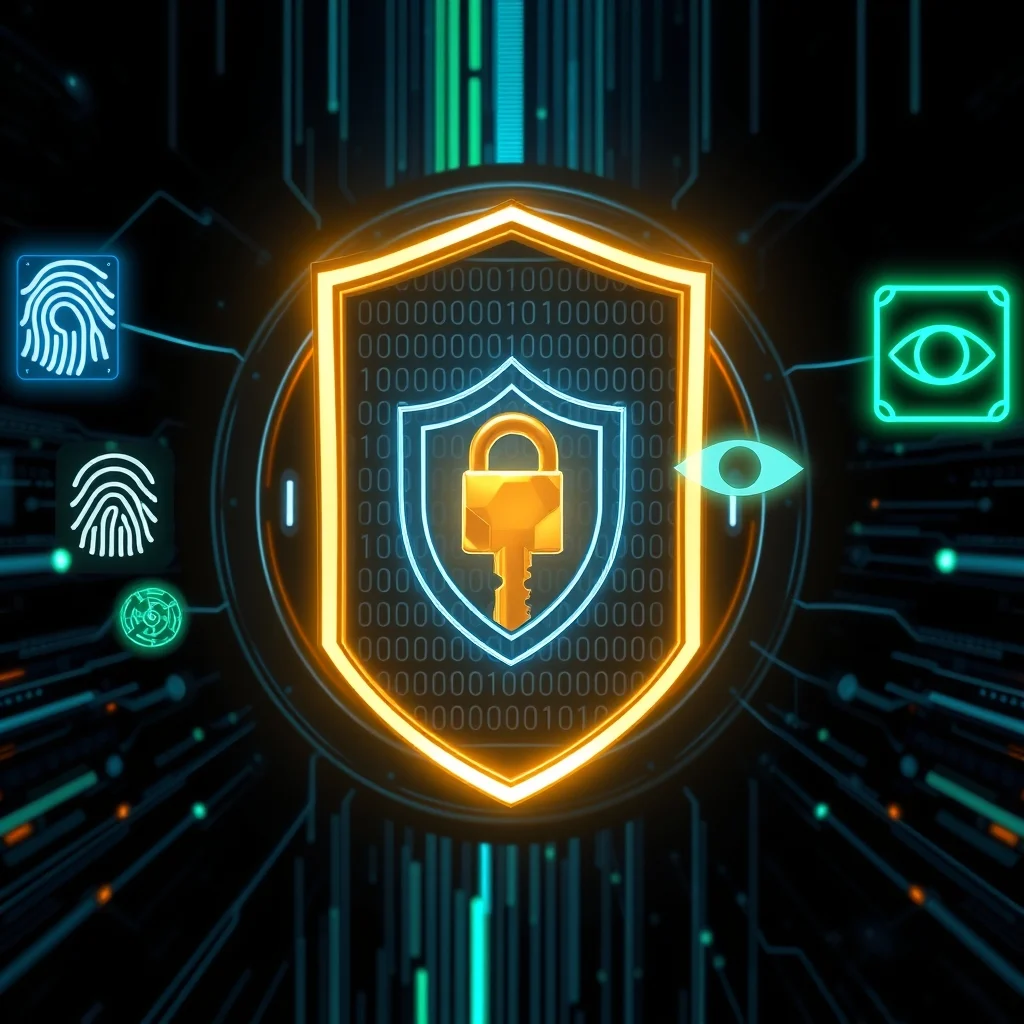
Biometric authentication adds a layer of security that is difficult to replicate. It uses unique biological traits, such as fingerprints, facial features, or iris patterns, to verify identity. Integrating biometrics with your password manager or passkey system creates a multi-layered defense. Even if someone steals your password manager database, they cannot access it without your biometric data. Most modern smartphones and laptops come equipped with the necessary hardware for this, such as Touch ID or Face ID.
To integrate biometrics, navigate to the settings of your password manager or operating system. Enable the option to unlock the application using biometric data. This ensures that even if your device is unlocked, the sensitive data within the manager remains protected. Additionally, ensure that your device’s screen lock is also secured with a biometric or a strong PIN. This prevents unauthorized individuals from accessing the device even if it is temporarily unattended. Combining biometric locks with password management creates a formidable barrier against unauthorized access.
🔑 Creating and Managing Strong Unique Passwords
Even with advanced tools, the foundation of security remains the strength of your passwords. A strong password is long, complex, and unpredictable. It should ideally be at least twelve characters long and include a mix of uppercase letters, lowercase letters, numbers, and symbols. However, since password managers handle this for you, the focus should be on ensuring uniqueness. Never reuse a password across multiple sites. If one site is breached, hackers will try that same password on all your other accounts.
Generating passwords manually is prone to human error and patterns. Instead, rely on the random password generator built into your password manager. These tools create strings of characters that are mathematically impossible to guess. You should update your passwords periodically, especially for critical accounts like email and banking. While frequent changes are debated, ensuring that old, compromised passwords are never reused is essential. Regularly audit your accounts to ensure no weak or reused passwords exist.
🛡️ Essential Security Best Practices
Security is not just about tools; it is about behavior. You must adopt habits that protect your digital footprint. One critical practice is to enable account recovery options using secure methods. Avoid using your primary email address as the recovery email for other sensitive accounts. Instead, use a dedicated recovery email that has strong protection. Additionally, be wary of phishing attempts. Never click on links in unsolicited emails, even if they appear to be from trusted sources. Verify the URL before entering any credentials.
Another vital practice is to monitor your accounts for unauthorized activity. Most email and banking services offer login alerts. Enable these notifications to receive an immediate warning if someone attempts to access your account from an unfamiliar location. This allows you to react quickly and revoke access before significant damage occurs. Keeping your software updated is also crucial. Security patches often fix vulnerabilities that attackers could exploit. Set your devices to update automatically to ensure you always have the latest protections.
🎯 Real Performance Experience and Stability
Implementing advanced security measures should not compromise your user experience. Modern password managers and passkeys are designed to be fast and efficient. In fact, they often improve performance by reducing the time spent typing and remembering credentials. Passkeys load instantly on supported platforms, providing a smoother login experience compared to entering codes. The stability of these systems is generally high, as they rely on established cryptographic standards.
However, there are potential issues to be aware of. If you lose access to your device or your password manager master password, recovery can be difficult. This is why having a backup of your recovery keys is essential. Store these backups in a secure physical location, such as a safe. This ensures that you can regain access to your accounts even if your primary devices fail. Balancing security with accessibility is key to maintaining a sustainable security strategy.
📊 Key Points Summary Table
| Feature | Security Level | Usability | Recovery Options |
|---|---|---|---|
| Traditional Password | Low | High | Email Reset |
| 2FA (SMS) | Medium | Medium | Backup Codes |
| Passkeys | High | High | Device Recovery |
| Password Manager | High | Very High | Master Password |
The table above outlines the trade-offs between different security methods. While traditional passwords are easy to use, they offer the lowest security. Passkeys and password managers offer high security with high usability. Recovery options vary by method, so understanding them is crucial. For maximum protection, a combination of passkeys and a password manager is recommended. This layered approach ensures that even if one layer is compromised, others remain intact.
🆚 What Distinguishes It from Competitors?
When comparing advanced password management solutions, several factors distinguish the best options from the rest. The primary differentiator is the encryption standard used. Top-tier managers use AES-256 bit encryption, which is military-grade. Others may use weaker algorithms that are susceptible to modern decryption techniques. Another factor is the audit history. Reputable services undergo regular third-party security audits to verify their claims.
Transparency is also a key differentiator. Open-source software allows the community to inspect the code for vulnerabilities. Proprietary software relies on the vendor’s internal security team. While both can be secure, open-source often provides an extra layer of trust. Additionally, consider the ecosystem compatibility. Some managers work better within specific operating systems, while others are truly cross-platform. Choose the solution that fits your specific hardware and software environment.
❌ Disadvantages and Limitations
Despite their advantages, advanced security tools have limitations. One major downside is the reliance on a single point of failure. If you lose your password manager master password, you may lose access to all your accounts. This is why backup strategies are non-negotiable. Another limitation is compatibility. Not all websites support passkeys yet. You will still need to rely on traditional passwords for legacy systems. This requires a hybrid approach to security.
- ✅ Strong encryption and security
- ✅ Reduced password fatigue
- ✅ Phishing resistance with passkeys
- ⚠️ Single point of failure risk
- ⚠️ Compatibility issues with legacy sites
Users must be aware that no system is completely impenetrable. Social engineering remains a threat. If a user is tricked into giving up their credentials, security tools cannot stop the breach. Therefore, user education is just as important as the technology itself. Always verify requests for information and remain vigilant against manipulation.
💻 System Requirements and Performance
To run advanced password management software effectively, your device should meet certain specifications. Most modern password managers are lightweight and run on older hardware. However, for optimal performance, a stable internet connection is required for cloud-synced managers. Local managers like KeePass require sufficient storage space for the database file. Ensure your operating system is up to date to avoid compatibility issues.
For devices with biometric sensors, the hardware must support the specific biometric standard. Older devices may not have fingerprint scanners or facial recognition cameras. In such cases, you may need to rely on PIN codes or strong passwords. Checking the compatibility of your hardware before deploying these tools is a wise step. This prevents frustration and ensures a smooth security upgrade process.
🔧 Troubleshooting Common Errors
Users may encounter issues when setting up advanced security tools. One common error is failing to sync data across devices. This often happens due to network restrictions or incorrect login details. Ensure you are using the same account credentials on all devices. Another issue is biometric recognition failure. This can be caused by dirty sensors or changes in your biometric data. Cleaning the sensor or re-enrolling your biometric data usually resolves this.
- ⚠️ Sync failures: Check network and credentials
- ⚠️ Biometric errors: Clean sensor or re-enroll
- ⚠️ Master password lockout: Use recovery key
- ⚠️ Passkey creation issues: Update browser or OS
If you are unable to access your account, contact customer support immediately. Have your recovery keys ready for verification. Do not attempt to bypass security measures, as this may lock you out permanently. Patience and following official support procedures are the best ways to resolve these issues.
📈 Global User Ratings and Trends
Current trends in user ratings indicate a strong preference for passkeys and open-source password managers. Users appreciate the convenience of not typing passwords and the security of public key cryptography. Positive feedback often highlights the ease of setup and the peace of mind provided by these tools. Negative feedback usually stems from initial learning curves or concerns about data privacy with cloud services.
The trend is moving towards passwordless authentication. As more platforms adopt passkeys, the reliance on traditional passwords will decrease. Users who adapt early will benefit from a smoother transition to a more secure digital environment. Monitoring these trends helps in staying ahead of security threats and adopting the best available technologies.
🎯 Best Settings for Maximum Performance
To optimize your security setup, configure your password manager settings carefully. Enable auto-fill only on trusted sites to prevent data leakage. Set your master password to be generated randomly and store it in a safe place. For passkeys, ensure that device synchronization is enabled for easy access across devices. Regularly review your security dashboard to see if any accounts are flagged as weak.
- 🔒 Enable auto-fill with caution
- 🔒 Use random master passwords
- 🔒 Sync passkeys securely
- 🔒 Review security dashboard monthly
These settings ensure that your security tools work efficiently without compromising your data. Regular maintenance is required to keep your system secure. Treat your digital security like a garden that needs regular tending.
🏁 Final Verdict
Securing your accounts beyond 2FA is no longer optional; it is a necessity in the modern digital landscape. By adopting passkeys, using robust password managers, and integrating biometric authentication, you create a defense system that is highly resistant to attacks. While there are challenges, such as compatibility and the risk of single points of failure, the benefits far outweigh the drawbacks. Start by auditing your current security and upgrading one account at a time. Consistency and vigilance are the keys to long-term security.
❓ Frequently Asked Questions
- Is it safe to store all passwords in one manager? Yes, if the manager uses zero-knowledge encryption and you have a strong master password. It is safer than reusing passwords across sites.
- Can I recover my account if I lose my device? You can recover access using backup codes or recovery keys provided during setup. Keep these codes in a secure physical location.
- Do passkeys work on all websites? No, not yet. Many legacy systems do not support passkey authentication. You will still need passwords for those sites.
- How often should I change my master password? It is recommended to change it every six months or immediately if you suspect a breach.
- What is the best password manager for beginners? Bitwarden is highly recommended for its user-friendly interface and strong security features.
- Can hackers crack my biometric data? Biometric data is stored locally and encrypted. It is very difficult for hackers to replicate, but it is not impossible.
- Is 2FA still necessary if I use passkeys? Generally, no. Passkeys are more secure than 2FA. However, some sites may still require it for critical actions.
- What happens if the password manager service shuts down? If it is open-source, you can export your data. If it is proprietary, check their data export policies before signing up.