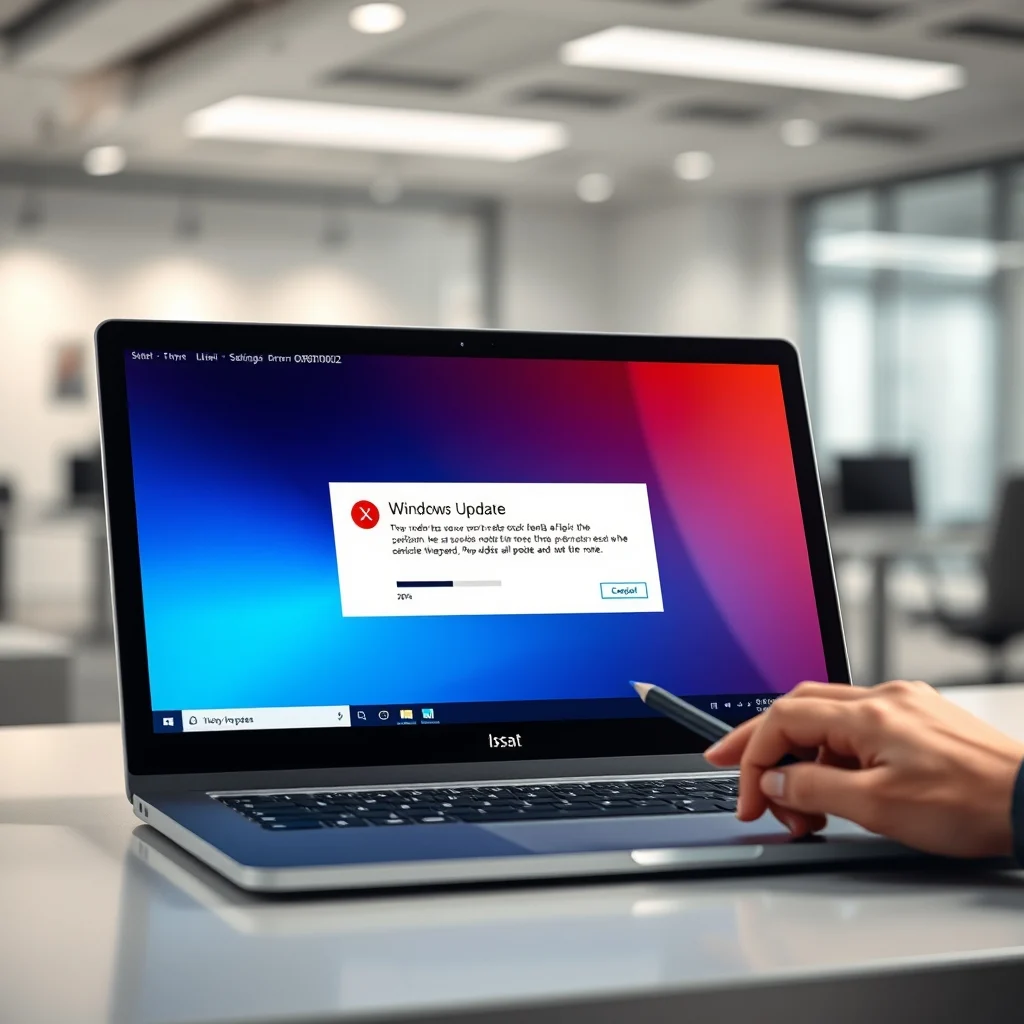

Windows Update is a critical component of the operating system, ensuring that your device remains secure, stable, and up to date with the latest features. However, many users frequently encounter frustrating error codes that prevent their computers from updating properly. These errors can range from missing files to corrupted system components or network connectivity issues. When these problems occur, it is vital to address them without risking your personal files or system stability. This guide provides a comprehensive approach to resolving common Windows Update errors while guaranteeing that your data remains completely safe throughout the process.
The importance of maintaining a functional update system cannot be overstated, as unpatched systems are vulnerable to security threats and performance degradation. Whether you are dealing with code 0x80070002, 0x80070003, or other persistent issues, understanding the underlying causes will empower you to fix the problem efficiently. By following the structured methods outlined in this article, you will be able to reset update components, run diagnostic tools, and manually install updates if necessary. Each step is designed to be non-destructive, ensuring that no personal data, documents, or installed applications are lost during the troubleshooting procedure.
📊 Understanding Windows Update Failures
Before diving into the solutions, it is essential to understand why Windows Update fails so frequently. The update process relies on several complex services working in harmony, including the Windows Update service, the Cryptographic service, and the Background Intelligent Transfer Service. If any of these services are stopped, corrupted, or blocked by third-party software, the update process will halt. Additionally, disk space issues, internet connectivity problems, or conflicts with antivirus programs can interrupt the download or installation phase. Recognizing these potential bottlenecks allows you to target the root cause rather than just applying a temporary fix.
Errors such as 0x80070002 indicate that a specific file or directory is missing from the system. This often happens when the update cache becomes corrupted during a previous download attempt. On the other hand, errors like 0x80070003 suggest a path or file location issue, where the system cannot access the necessary files to proceed. These codes are not arbitrary; they are diagnostic signals from the operating system that point to specific structural failures within the update mechanism. By addressing these signals directly, you can restore the update functionality without needing to reinstall the entire operating system.
- 🛠️ System Services – Ensure all update-related services are running.
- 💾 Storage Space – Verify you have enough free disk space for the update.
- 🔒 Security Software – Temporarily disable third-party antivirus if needed.
- 🌐 Network Stability – Check your connection for interruptions.
🔧 Resetting Windows Update Components
One of the most effective methods for resolving persistent update errors is resetting the Windows Update components. This process stops the services responsible for downloading and installing updates, renames the folders where update files are stored, and restarts the services with a clean slate. This forces Windows to create new folders and download fresh copies of the update files, effectively bypassing any corrupted data that might be causing the error code 0x80070002 or similar issues.
To begin this process, you will need to access the Command Prompt with administrative privileges. This level of access is required because you are modifying system-level services and directory structures. Do not attempt to run these commands as a standard user, as the system will deny permission and the reset will fail. Once you have the Command Prompt open, you will enter a series of commands sequentially to stop each service, rename the cache folders, and then restart the services.
📝 Step-by-Step Reset Instructions
First, type net stop wuauserv and press Enter. This command stops the Windows Update service. Next, type net stop cryptSvc and press Enter to stop the Cryptographic service. You will need to continue stopping the Background Intelligent Transfer Service by typing net stop bits and the Windows Installer by typing net stop msiserver. Each command requires you to press Enter to execute it immediately.
After all services are stopped, you must rename the software distribution folders. Type ren C:WindowsSoftwareDistribution SoftwareDistribution.old and press Enter. Then, type ren C:WindowsSystem32catroot2 catroot2.old and press Enter. These commands rename the folders that store temporary update files, forcing Windows to recreate them upon restart. Finally, restart the services by typing net start wuauserv, net start cryptSvc, net start bits, and net start msiserver one by one.
🛠️ Using the Windows Update Troubleshooter
Microsoft provides a built-in diagnostic tool specifically designed to detect and fix common update issues automatically. This tool, known as the Update Troubleshooter, scans the system for configuration errors, missing files, or service disruptions that might prevent updates from installing. While manual resetting is powerful, the Troubleshooter is often a quicker first step for users who are not comfortable using command-line interfaces or advanced system settings.
To access the Troubleshooter, navigate to the Settings menu on your computer. Click on Update & Security, and then select Troubleshoot from the left-hand menu. Here you will find the option to run the Windows Update troubleshooter. Click on it and allow the tool to scan your system. It will identify specific problems, such as incorrect registry entries or blocked services, and offer to fix them automatically.
- ✅ Automatic Detection – The tool scans for known error patterns.
- ✅ Service Restoration – It can restart services that are stuck.
- ✅ File Repair – It attempts to replace missing or corrupted files.
📊 Key Points and Comparison of Methods
Understanding the differences between the various troubleshooting methods helps you choose the right approach for your specific situation. The following table summarizes the effectiveness, difficulty, and impact of each method on your system configuration.
| Method | Difficulty | Effectiveness | Data Safety |
|---|---|---|---|
| Windows Update Troubleshooter | Low | Medium | Safe |
| Reset Update Components | Medium | High | Safe |
| Manual Update Installation | High | Very High | Safe |
| System Restore | Low | Variable | Risky |
As shown in the table, resetting the update components is generally the most effective method for persistent errors without risking your data. The Windows Update Troubleshooter is less intrusive but may not resolve deep-seated corruption issues. Manual installation is the most reliable fallback if the automatic mechanisms fail entirely. It is crucial to note that System Restore should be used with caution, as it reverts system files to a previous state and could potentially undo other changes you have made since the last restore point.
⚙️ How Manual Installation Works
When automatic updates fail repeatedly, manually installing the update from the Microsoft Update Catalog is the ultimate solution. This method bypasses the Windows Update service entirely and installs the update directly using the standalone installer package. This is particularly useful for specific cumulative updates or feature updates that are stuck in the queue. By downloading the update file directly, you eliminate the possibility of network interruptions or service conflicts during the download phase.
To perform this, you must first identify the Update ID for the specific update you are trying to install. You can find this by visiting the Microsoft Update Catalog website and searching for the KB number associated with the update. Once you locate the correct package, download the version that matches your system architecture, such as x64 for 64-bit systems. After downloading, simply double-click the file to begin the installation process. This process usually takes longer than an automatic update but is far less prone to error codes.
🧩 Installation Challenges
Even when manually installing updates, users may encounter issues. The most common problem is a conflict with existing system files or a lack of disk space. If the installation fails, check your available storage again. You may need to run Disk Cleanup to remove temporary files and free up space for the update. Additionally, ensure that your system time and date are correct, as incorrect time settings can cause certificate validation errors during installation.
- ⚠️ Architecture Match – Ensure you download x64 for 64-bit systems.
- ⚠️ Storage Check – Verify you have at least 20GB free space.
- ⚠️ Certificate Time – Check that your system clock is accurate.
🔍 Common Errors and How to Fix Them
There are specific error codes that appear more frequently than others, and knowing how to address them can save significant time. Below is a list of common errors and the specific steps required to resolve them without losing data.
- ❌ Error 0x80070002 – Missing files. Run the command sfc /scannow to repair system files.
- ❌ Error 0x80070003 – Path not found. Reset the SoftwareDistribution folder as described above.
- ❌ Error 0x80240017 – BitLocker encryption issue. Disable BitLocker temporarily or ensure you have the recovery key.
- ❌ Error 0x800F0922 – Secure Boot mismatch. Check BIOS settings and ensure Secure Boot is enabled.
🛡️ Security and Privacy Considerations
While troubleshooting Windows Update errors, it is important to maintain security and privacy standards. Avoid downloading update files from third-party websites, as these may contain malware or viruses. Always use the official Microsoft Update Catalog or the internal Windows Update settings to retrieve files. Additionally, ensure that your antivirus software is not blocking the update process. Some security programs may flag update services as suspicious, leading to false positives that prevent installation.
Privacy is also a concern, as updates may change how data is collected or stored. Review the privacy settings in Windows after an update to ensure they align with your preferences. Some updates enable new telemetry features that track usage data. If you are concerned about privacy, you can adjust these settings in the Settings menu under Privacy & Security before proceeding with the update installation.
📈 Performance Impact Analysis
Installing updates often has a measurable impact on system performance, especially on older hardware. During the installation process, your computer may run slower than usual as the system files are being replaced and the restart sequence occurs. Once the update is complete, performance should return to normal, and in many cases, improve due to optimizations included in the update. However, if you notice significant slowdowns after updating, it may indicate a driver conflict or a failed update installation.
To monitor performance during and after updates, open the Task Manager and observe CPU and memory usage. If you see abnormal spikes in usage after the update completes, check the Services tab to ensure no unnecessary background processes are running. Sometimes, a third-party application may fail to update alongside Windows, causing it to consume excessive resources. Updating your third-party software can often resolve these post-update performance issues.
🏁 Final Verdict on Troubleshooting Strategies
The path to a stable Windows Update experience involves patience and a methodical approach. By following the steps outlined in this guide, you can resolve the vast majority of update errors without needing to reinstall Windows or risk your personal data. The key is to start with the least invasive methods, such as the built-in Troubleshooter, and progress to more advanced steps like resetting components or manual installation only if necessary. This layered approach ensures that you do not cause unnecessary changes to your system configuration.
Remember that Windows Update is designed to be a seamless process for the user, but it requires a healthy system environment to function correctly. Regular maintenance, such as running disk cleanups and keeping drivers up to date, can prevent many of these errors from occurring in the first place. By staying proactive, you can minimize downtime and keep your computer secure and efficient.
❓ Frequently Asked Questions
- Can I lose my files when resetting Windows Update components? No, resetting the update components only affects temporary system files related to the update process and does not touch your personal documents or installed applications.
- What should I do if the Windows Update Troubleshooter fails? If the troubleshooter does not resolve the issue, proceed to manually reset the update components using the Command Prompt as detailed in this guide.
- Is it safe to disable antivirus while updating? Yes, it is generally safe to temporarily disable third-party antivirus software during the update process, but remember to re-enable it immediately afterward.
- How much disk space is required for a Windows update? You typically need at least 20GB of free space on your system drive to ensure the update can download and install without errors.
- What if I receive an error code 0x80070005? This error indicates a permission issue. Ensure you are running the Command Prompt as an administrator before executing commands.
- Can I update Windows without an internet connection? You can install updates manually by downloading the files on another device, but most updates require an internet connection for verification.
- How long does a manual update installation take? Manual installations can take anywhere from 30 minutes to several hours depending on the size of the update and the speed of your hardware.
- Should I use a system restore point before updating? Yes, creating a restore point is highly recommended to provide a rollback option if the update causes instability.
- What is the most common cause of update errors? Corrupted update cache files are the most frequent cause, which is why resetting the SoftwareDistribution folder is so effective.
- Can third-party software cause update failures? Yes, some security or optimization tools can block update services, so temporarily disabling them may help resolve conflicts.
By adhering to these guidelines and understanding the mechanics behind Windows Update, you can maintain a secure and up-to-date system without fear of data loss. Regular maintenance and a clear understanding of the troubleshooting process will ensure that your computer remains one of the most reliable tools in your daily workflow.