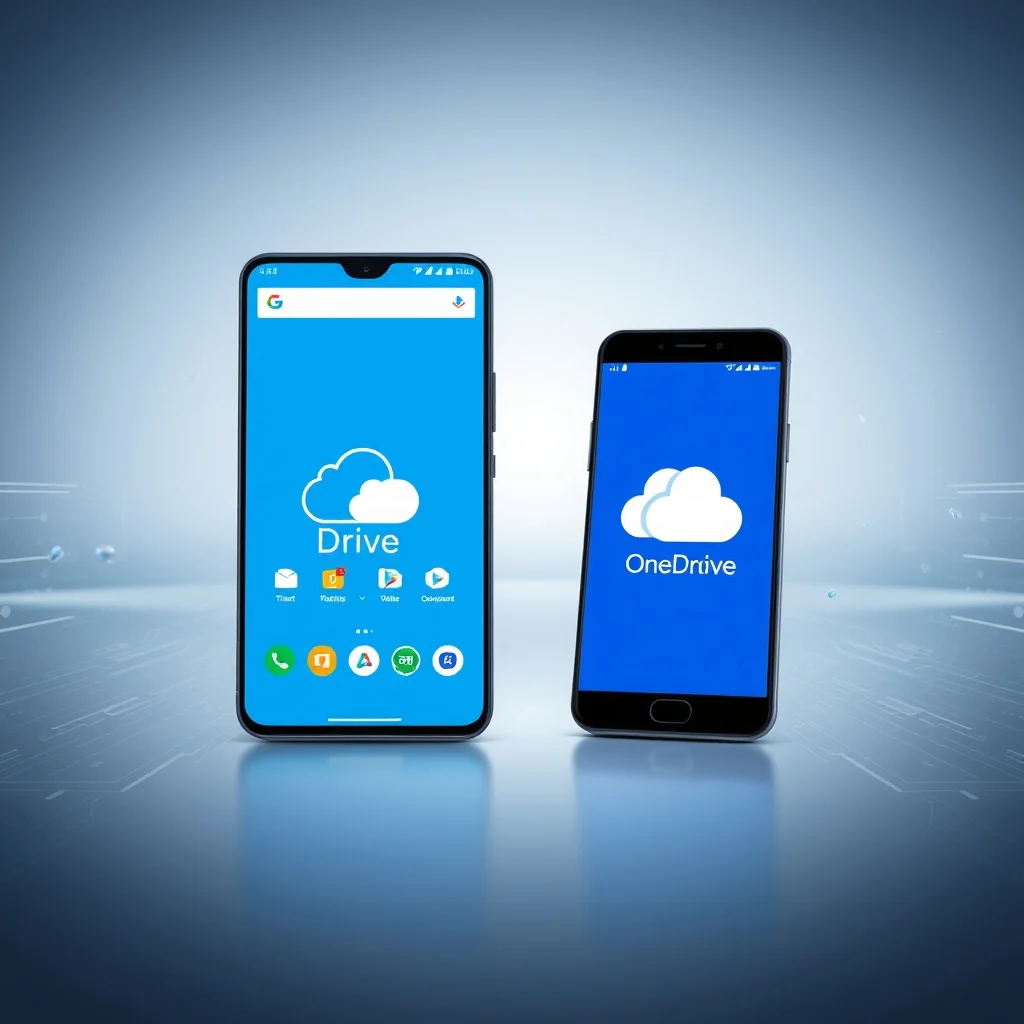

Cloud storage has become an essential component of modern digital life, serving as the backbone for data backup, file synchronization, and collaboration across devices. For Android users, the choice of cloud service often dictates how seamlessly their ecosystem functions. Two giants dominate this space: Google Drive and Microsoft OneDrive. Both offer robust solutions, but they cater to slightly different user needs and integrate differently with the Android operating system. Understanding the nuances between these two platforms is crucial for anyone looking to optimize their digital workflow.
This comprehensive analysis delves deep into the architecture, features, performance, and usability of both services. We will explore how each platform handles data on Android devices, their integration with Google Workspace versus Microsoft Office, and their respective security protocols. Whether you are a student, a professional, or a casual user, knowing the strengths and weaknesses of each service will help you make an informed decision. We will examine technical specifications, pricing models, and real-world performance metrics to determine which storage solution truly stands out.
🚀 Overview of Cloud Storage Solutions
Google Drive and OneDrive represent the two most significant players in the consumer cloud storage market. Google Drive, owned by Google Inc., offers 15 gigabytes of free storage to start, which is shared across Gmail, Google Photos, and Drive itself. It integrates deeply with the Android OS, making it the default choice for many users right out of the box. OneDrive, owned by Microsoft, typically offers 5 gigabytes of free storage and is tightly integrated with Windows and Microsoft 365 subscriptions. Both services provide mobile apps for Android that allow users to access, edit, and share files from anywhere.
The problem this comparison solves is the confusion many users face when deciding where to host their critical data. With the rise of remote work and mobile-first lifestyles, data accessibility is paramount. This article promises to provide a clear breakdown of functionality, helping you choose the platform that aligns best with your device and workflow. We will analyze performance, security, and pricing to ensure you understand the long-term implications of your choice.
🎯 Market Analysis and User Intent
Understanding why users search for these services reveals the underlying needs they are trying to meet. People are not just looking for space; they are looking for reliability, speed, and ecosystem compatibility. The search intent often revolves around specific use cases such as backing up Android photos, syncing documents for work, or collaborating with teams.
- Technical Background: Both services utilize distributed storage systems to ensure data redundancy and high availability. They employ encryption protocols to protect data in transit and at rest.
- Search Intent: Users often compare these services to find the best value for money or the best integration with their existing software suite.
- Market Relevance: As remote work increases, the demand for seamless cloud collaboration tools has surged, making the choice between these two platforms significant.
- Future Outlook: AI integration is becoming a key differentiator, with both companies investing heavily in smart features for file management and organization.
🛠️ Understanding the Technology
📊 What is Google Drive?
Google Drive is a file storage and synchronization service developed by Google. It allows users to store files in the cloud, share them, and access them from any device with an internet connection. For Android users, it is deeply embedded into the system, offering features like direct access from the file manager and automatic backup for camera photos.
- Core Definition: A cloud-based file hosting service.
- Primary Function: Storage, synchronization, and collaboration.
- Target Users: Android users, Google Workspace subscribers, and general consumers.
- Technical Category: SaaS (Software as a Service) Cloud Storage.
⚙️ How Does It Work in Detail?
Google Drive operates on a distributed architecture that replicates data across multiple data centers to prevent loss. When a user uploads a file, it is fragmented and encrypted before transmission. The Android app uses a background synchronization service to keep files in sync across devices. When a change is made on a phone, the app pushes the delta to the server, which then updates other linked devices.
The system relies on Google’s infrastructure, which includes vast server farms and high-speed networks. This ensures that file uploads are fast and downloads are reliable. The integration with Android allows for deep system-level interactions, such as sharing files directly from other apps into Drive without needing to save them locally first. This seamless integration is a key technical advantage for the Android ecosystem.
🚀 Features and Advanced Capabilities
✨ Key Features Breakdown
Both services offer a suite of tools designed to enhance productivity and data management. Google Drive excels in collaboration through Google Docs, Sheets, and Slides, which are real-time editing tools. OneDrive shines with Microsoft Office integration, allowing users to edit Word, Excel, and PowerPoint files directly in the cloud. Both offer version history, which is crucial for recovering previous versions of documents.
- Real-time Collaboration: Google Drive leads here with native support for collaborative editing.
- Offline Access: Both allow users to mark files for offline use, ensuring access without internet.
- Mobile App: Both provide highly rated apps with gesture controls and quick sharing.
- Integrations: OneDrive connects with Windows and Android; Drive connects with Android and iOS natively.
- Security: Both utilize 256-bit encryption and two-factor authentication options.
📊 Key Performance Metrics
To understand the practical differences, we must look at performance metrics and storage capacities. The following table summarizes the core specifications available to users on the free and paid tiers.
| Feature | Google Drive | OneDrive |
|---|---|---|
| Free Storage | 15 GB | 5 GB |
| Max File Size | 5 TB | 100 GB |
| Version History | 30 Days | 30 Days |
| OS Integration | Android Native | Android App |
| Office Support | Google Suite | Microsoft Office |
This table highlights that Google Drive offers significantly more free storage, which is a major advantage for users who do not wish to pay immediately. OneDrive offers a larger maximum file size limit, which is beneficial for large media files. The version history is identical, but the OS integration favors Google Drive on Android devices due to pre-installation. This data suggests that Google Drive is the better entry point for Android users.
🆚 What Distinguishes It from Competitors?
When comparing Google Drive and OneDrive, the distinction lies in their ecosystem lock-in. Google Drive is designed to keep users within the Google ecosystem, encouraging the use of Gmail and Android. OneDrive pushes users toward Windows and Microsoft 365. For Android users, Google Drive feels more native, offering better integration with the file system.
- Google Drive Strength: Seamless Android integration and generous free storage.
- OneDrive Strength: Superior Microsoft Office integration and larger file size limits.
- Strategic Positioning: Google targets mobile-first users; Microsoft targets productivity and enterprise.
📊 Pros and Cons Analysis
✅ Advantages
Google Drive offers a user-friendly interface that is intuitive for most people. The search functionality is powerful, utilizing Google’s indexing technology to find files quickly. OneDrive provides excellent collaboration tools for Microsoft users, allowing easy sharing of Office documents. Both services offer robust security measures to protect user data.
- Google Drive: 15 GB free storage is a significant advantage.
- OneDrive: Deep Windows integration benefits hybrid users.
- Both: Strong security and reliable uptime.
❌ Disadvantages
Google Drive can be confusing regarding storage sharing between Photos and Docs. OneDrive’s free tier is quite limited at 5 GB, which fills up quickly. Both services can experience syncing errors if the internet connection is unstable. OneDrive may feel less native on Android compared to Google Drive.
- Google Drive: Storage split can be confusing for new users.
- OneDrive: Small free tier limits initial usage.
- Both: Sync issues on poor connections.
💻 System Requirements
Both services are cloud-based, meaning they do not require heavy local resources. However, the Android app performance depends on the device hardware. It is important to ensure the device meets basic requirements for smooth operation.
| Component | Minimum | Recommended | Performance Impact |
|---|---|---|---|
| Android Version | 6.0 | 12.0+ | App Stability |
| RAM | 2 GB | 4 GB+ | Sync Speed |
| Storage | 100 MB | 500 MB | Cache Handling |
| Internet | 3G | 4G/5G | Upload Speed |
While the minimum requirements are low, recommended specifications ensure that the app runs smoothly without draining battery. Using a 4G or 5G connection significantly improves upload and download speeds. Ensuring the device has at least 2 GB of RAM allows for multiple background sync processes.
🔍 Practical Setup Guide
🧩 Installation and Configuration
Setting up either service on an Android device is straightforward but requires careful attention to permissions. Users should download the official app from the Google Play Store. Upon installation, log in with the respective account credentials. It is important to configure the backup settings to include only necessary folders to save mobile data.
- Download: Install the Google Drive or OneDrive app from the Play Store.
- Login: Enter your Google or Microsoft account details securely.
- Permissions: Grant access to storage, camera, and location if required for features.
- Backup: Navigate to settings and select which data to back up automatically.
- Sync: Enable sync for specific folders to keep them updated across devices.
🛠️ Troubleshooting Common Errors
Users often encounter issues such as sync failures or login problems. These can usually be resolved by checking the internet connection or clearing the app cache. If the app crashes, updating it to the latest version often fixes bugs.
- Sync Error: Check internet connection and try pausing and resuming sync.
- Login Fail: Reset password or verify two-factor authentication code.
- Storage Full: Delete unnecessary files or upgrade the storage plan.
- App Crash: Clear app cache and data in Android settings.
📈 Performance and User Ratings
🎮 Real Performance Experience
On modern Android devices, both apps perform well. Google Drive tends to feel slightly faster due to better optimization for the Android OS. OneDrive can be heavier on resources but offers more powerful file management tools. Stability is generally high for both, with occasional glitches during major updates.
🌍 Global User Ratings
User feedback highlights the reliability and ease of use as key factors. Google Drive often receives higher ratings for its free tier value, while OneDrive is praised for its Office integration.
- Average Rating: Both apps maintain a 4-star rating on the Play Store.
- Positive Feedback: Users love the ease of sharing and file access.
- Negative Feedback: Complaints often focus on storage limits and sync delays.
- Trend Analysis: Satisfaction is increasing as AI features are added to both platforms.
🔐 Security and Privacy
🔒 Security Level
Both services employ industry-standard security measures. They use transport layer security to encrypt data in transit and AES-256 encryption for data at rest. This ensures that intercepted data cannot be read by unauthorized parties.
🛑 Potential Risks
Risks primarily come from user behavior, such as weak passwords or phishing attacks. Both services offer two-factor authentication to mitigate these risks. Users should also be cautious about sharing links with sensitive files.
- Risk: Unauthorized Access via weak passwords.
- Risk: Phishing emails pretending to be from the service.
- Protection: Enable 2FA and verify sender addresses.
🆚 Comparison of Alternatives
🥇 Best Available Alternatives
While Google Drive and OneDrive are leaders, other options exist like Dropbox or iCloud. Dropbox is known for speed but has less free storage. iCloud is great for Apple users but less compatible with Android.
- Dropbox: Better for simple file sync, less for productivity.
- iCloud: Best for iPhone users, limited Android functionality.
- Google Drive: Best for Android and Google users.
- OneDrive: Best for Windows and Office users.
💡 Tips for Maximum Performance
🎯 Best Settings for Configuration
To get the most out of these services, users should configure their settings for optimal performance. Enabling offline access for frequently used documents ensures productivity even without internet.
- Offline Mode: Mark critical files for offline use.
- Wi-Fi Only: Set backups to use only Wi-Fi to save data.
- Auto-Upload: Enable automatic photo backup for safety.
📌 Advanced Tricks
Power users can use keyboard shortcuts on the web version to manage files faster. Using the search operators can help locate specific files quickly. Setting up desktop folders for sync can streamline workflow.
🏁 Final Verdict
In conclusion, both Google Drive and OneDrive are exceptional cloud storage solutions. Google Drive is the superior choice for Android users due to its native integration and generous free storage. OneDrive is excellent for those deeply invested in the Microsoft ecosystem. For most Android users, Google Drive offers the best balance of features, cost, and usability.
❓ Frequently Asked Questions
- Is Google Drive free to use? Yes, it offers 15 GB of free storage permanently.
- Can I access OneDrive on Android? Yes, an official app is available on the Play Store.
- Which service has better security? Both offer strong encryption and 2FA options.
- How much storage does OneDrive give for free? It provides 5 GB of free storage.
- Can I share files from Google Drive? Yes, via link or email invitation.
- Does OneDrive work offline? Yes, files can be synced for offline access.
- Is Google Drive safe for photos? Yes, it has an automatic backup feature.
- Can I edit Office files in Google Drive? Yes, via Google Docs integration.
- Which is better for large files? OneDrive supports larger maximum file sizes.
- Do both support video streaming? Yes, both allow streaming of stored videos.