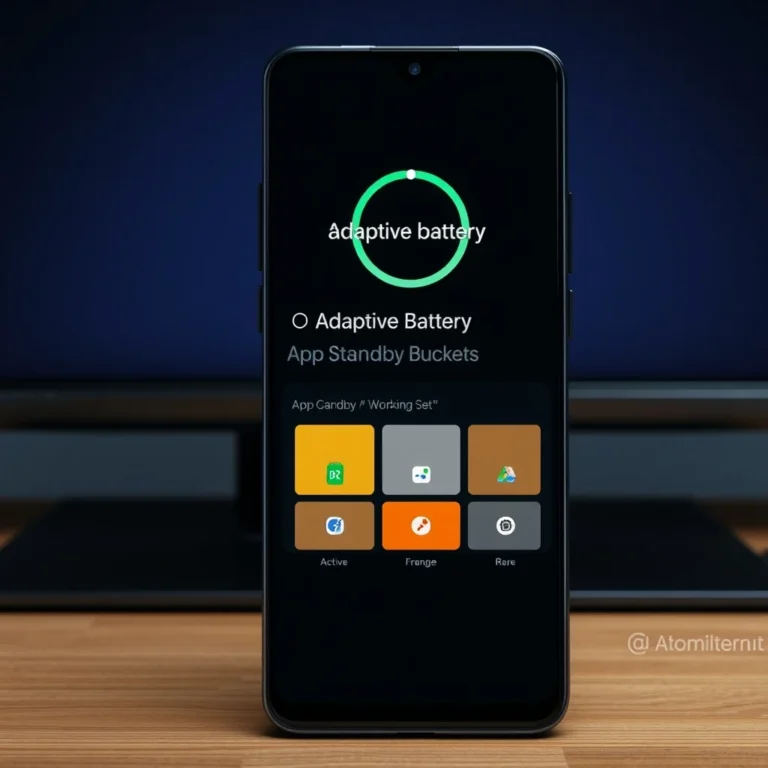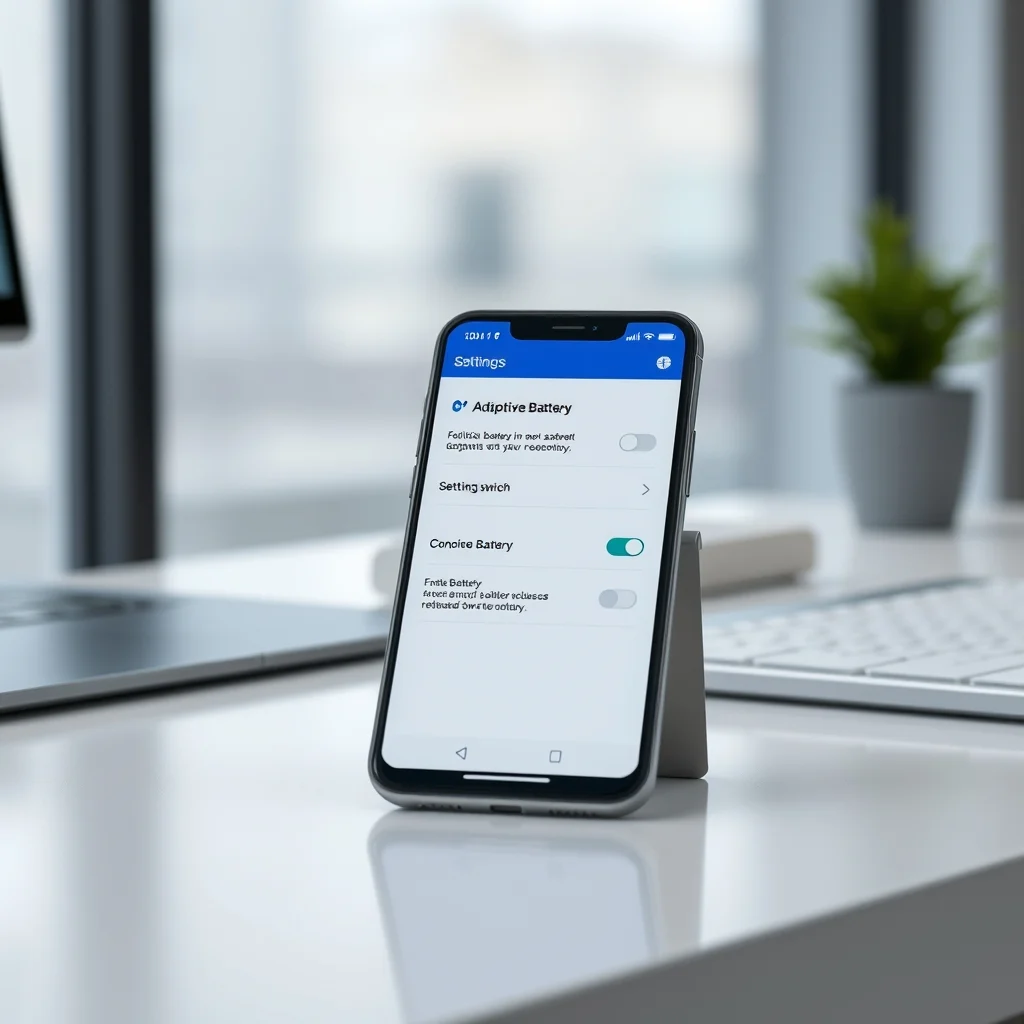

In the ever-evolving world of smartphones, battery life remains a critical concern for users. Android’s Adaptive Battery feature is a game-changer, designed to extend your device’s battery life by learning your usage patterns and optimizing power consumption accordingly. This article delves into the intricacies of Adaptive Battery, explaining how it works, its benefits, and how you can make the most of this innovative feature to enhance your Android experience.
As smartphones become more powerful, their battery demands increase. Users often find themselves in situations where their devices run out of power at the most inconvenient times. This is where Android’s Adaptive Battery comes into play. By intelligently managing background activities and app usage, Adaptive Battery ensures that your device conserves power when you need it most. Whether you’re a power user or a casual smartphone enthusiast, understanding and utilizing this feature can significantly improve your device’s battery life and overall performance.
In this comprehensive guide, we will explore the technical aspects of Adaptive Battery, its impact on battery life, and practical tips to optimize its performance. We will also address common misconceptions and provide troubleshooting tips to ensure you get the most out of this feature. By the end of this article, you will have a clear understanding of how Adaptive Battery works and how to leverage it for maximum efficiency.
🎯 Overview and In-Depth Analysis
Adaptive Battery is a sophisticated feature introduced by Google to enhance the battery life of Android devices. It uses machine learning algorithms to analyze your usage patterns and adapt to your daily routines. By identifying which apps you use most frequently and when, Adaptive Battery can prioritize power allocation to these apps while restricting background activities of less frequently used applications.
The significance of Adaptive Battery lies in its ability to learn and adapt. Unlike traditional battery-saving modes that apply a one-size-fits-all approach, Adaptive Battery tailors its settings based on your unique usage patterns. This personalized approach ensures that your device’s battery life is optimized without compromising on performance or user experience.
Users search for information on Adaptive Battery to understand how it works and how they can benefit from it. Many are curious about the technical aspects, such as how machine learning is applied and what data is collected to make these optimizations. Additionally, users want to know if Adaptive Battery is compatible with their devices and how they can enable and customize it to suit their needs.
🛠️ The Complete Technical Concept
📌 What is Adaptive Battery?
Adaptive Battery is an advanced feature in Android that leverages machine learning to optimize battery usage. It continuously learns from your usage patterns and adjusts power consumption accordingly. This feature is particularly useful for users who rely heavily on their smartphones throughout the day and need to ensure their devices last as long as possible.
The core working mechanism of Adaptive Battery involves analyzing your app usage, identifying trends, and making predictions about which apps you are likely to use in the future. Based on these predictions, it allocates power more efficiently, ensuring that frequently used apps have the necessary resources while restricting background activities of less frequently used applications.
⚙️ How Does It Work in Detail?
Adaptive Battery operates by collecting data on your app usage patterns over time. This data is processed using machine learning algorithms to identify trends and make predictions. The feature then adjusts the power consumption of different apps based on these predictions. For example, if you typically use a specific app at a particular time of day, Adaptive Battery will ensure that the app has the necessary resources available when you need it, while restricting background activities of other apps.
The technical architecture of Adaptive Battery involves several components, including data collection modules, machine learning algorithms, and power management systems. These components work together to analyze your usage patterns, make predictions, and adjust power consumption accordingly. The internal processes involve continuous data collection, pattern recognition, and real-time adjustments to ensure optimal performance.
Practical illustrative examples of Adaptive Battery in action include scenarios where you receive notifications from frequently used apps at the right time, while less frequently used apps have their background activities restricted. This ensures that your device’s battery life is extended without compromising on the performance of apps you use most often.
🚀 Features and Advanced Capabilities
✨ Key Features
Adaptive Battery offers several key features that enhance its functionality and user experience. One of the most notable features is its ability to learn and adapt to your usage patterns over time. This personalized approach ensures that your device’s battery life is optimized based on your unique needs and preferences.
Another key feature of Adaptive Battery is its ability to prioritize power allocation to frequently used apps. By identifying which apps you use most often, Adaptive Battery ensures that these apps have the necessary resources available when you need them. This feature is particularly useful for power users who rely heavily on their smartphones throughout the day.
Adaptive Battery also includes advanced capabilities such as real-time adjustments and continuous data collection. These capabilities enable the feature to make accurate predictions and adjustments, ensuring that your device’s battery life is optimized at all times. Additionally, Adaptive Battery is compatible with a wide range of Android devices, making it accessible to a broad audience.
📊 Key Points
| Feature | Description |
|---|---|
| Machine Learning | Uses machine learning algorithms to analyze usage patterns and make predictions. |
| Personalized Optimization | Tailors power consumption based on individual usage patterns. |
| Real-Time Adjustments | Makes real-time adjustments to power consumption for optimal performance. |
| Compatibility | Compatible with a wide range of Android devices. |
The table above summarizes the key features and capabilities of Adaptive Battery. These features work together to provide a comprehensive solution for optimizing battery life on Android devices. By leveraging machine learning and real-time adjustments, Adaptive Battery ensures that your device’s battery life is extended without compromising on performance or user experience.
🆚 What Distinguishes It from Competitors?
Adaptive Battery stands out from its competitors due to its advanced machine learning capabilities and personalized approach to battery optimization. Unlike traditional battery-saving modes that apply a one-size-fits-all approach, Adaptive Battery tailors its settings based on your unique usage patterns. This personalized approach ensures that your device’s battery life is optimized without compromising on performance or user experience.
Another distinguishing feature of Adaptive Battery is its ability to make real-time adjustments. This capability enables the feature to respond quickly to changes in your usage patterns, ensuring that your device’s battery life is optimized at all times. Additionally, Adaptive Battery is compatible with a wide range of Android devices, making it accessible to a broad audience.
📊 Pros and Cons Objectively
✅ Advantages
Adaptive Battery offers several advantages that make it a valuable feature for Android users. One of the main advantages is its ability to extend battery life without compromising on performance. By intelligently managing background activities and app usage, Adaptive Battery ensures that your device’s battery life is optimized for your specific needs.
Another advantage of Adaptive Battery is its personalized approach to battery optimization. By analyzing your usage patterns and making predictions, Adaptive Battery tailors its settings to suit your unique needs. This personalized approach ensures that your device’s battery life is optimized without compromising on performance or user experience.
❌ Disadvantages
While Adaptive Battery offers numerous advantages, it also has some disadvantages. One of the main disadvantages is that it may not be compatible with all Android devices. Additionally, some users may find the feature intrusive, as it collects data on their usage patterns to make predictions and adjustments.
Another potential disadvantage of Adaptive Battery is that it may not be suitable for all users. For example, power users who rely heavily on their smartphones throughout the day may find that Adaptive Battery restricts background activities of apps they use frequently. Additionally, users who prefer a more hands-on approach to battery management may find Adaptive Battery too automated.
💻 System Requirements or Usage Requirements
🖥️ Minimum Requirements
To use Adaptive Battery, your device must be running Android 9 (Pie) or later. Additionally, your device must have at least 2GB of RAM and 16GB of internal storage. These minimum requirements ensure that your device has the necessary resources to run Adaptive Battery effectively.
The impact of each component, such as CPU, RAM, and storage, on Adaptive Battery’s performance is significant. For example, a device with a powerful CPU can process data more quickly, enabling Adaptive Battery to make more accurate predictions and adjustments. Similarly, a device with ample RAM can run more apps simultaneously without compromising performance, while sufficient storage ensures that Adaptive Battery has enough space to store usage data and make predictions.
⚡ Recommended Specifications
For optimal performance, it is recommended that your device has at least 4GB of RAM and 32GB of internal storage. These recommended specifications ensure that your device has the necessary resources to run Adaptive Battery effectively and provide the best possible user experience.
Performance expectations with these recommended specifications include faster data processing, more accurate predictions, and smoother overall performance. Additionally, devices with these specifications are more likely to be compatible with future updates and features, ensuring that you can continue to benefit from Adaptive Battery’s advanced capabilities.