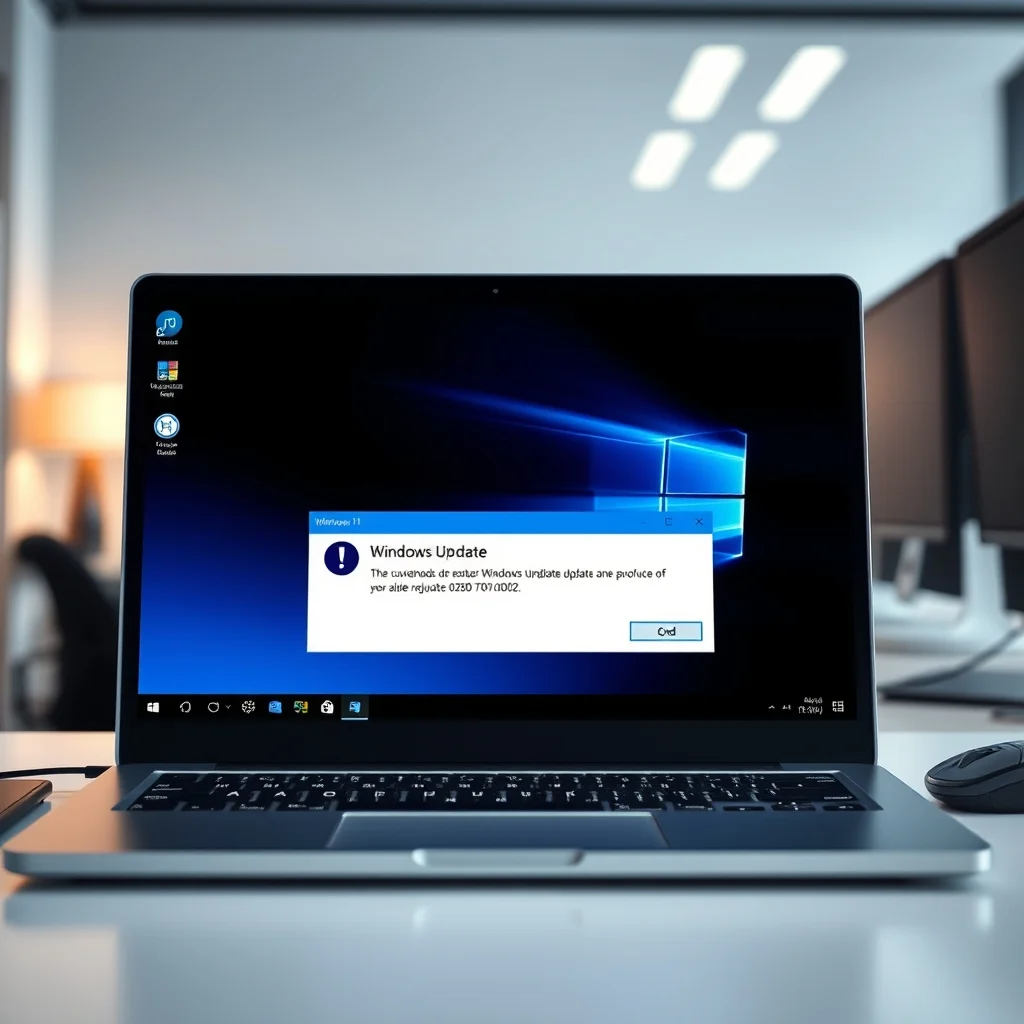

Windows updates are essential for maintaining system security, performance, and stability. However, users often encounter frustrating errors that prevent updates from installing. These errors can stem from corrupted system files, misconfigured services, or conflicts with third-party software. This comprehensive guide provides step-by-step solutions to resolve common Windows Update errors, ensuring your system remains up-to-date and secure.
📰 Why Windows Update Errors Happen and How They Impact Your System
Windows Update errors typically occur due to a variety of reasons, including corrupted system files, improperly configured services, or conflicts with installed applications. When updates fail, your system becomes vulnerable to security threats, performance issues, and compatibility problems with new software. Understanding the root causes of these errors is the first step toward effective troubleshooting.
Common causes of Windows Update errors include:
- ✅ Corrupted system files that interfere with the update process
- 🎯 Misconfigured Windows Update services that prevent updates from installing
- ⚠️ Insufficient disk space on the system drive
- 🔧 Conflicts with third-party antivirus software that block updates
- 📊 Network connectivity issues that disrupt the download process
📊 Understanding the Most Common Windows Update Errors
Windows Update errors are often identified by alphanumeric codes, such as 0x80070002, 0x80070003, and 0x80240020. Each error code indicates a specific issue, ranging from missing files to permission problems. Below is a breakdown of the most frequent errors and their meanings:
- Error 0x80070002: This error typically indicates that Windows cannot find a specific file required for the update. It often occurs due to corrupted files in the SoftwareDistribution folder.
- Error 0x80070003: This error suggests a problem with the update’s metadata or a missing component in the system.
- Error 0x80240020: This error is usually related to network connectivity issues or problems with the Windows Update service.
- Error 0x800F0922: This error occurs when the system lacks sufficient space in the System Reserved partition to install updates.
- Error 0x80070643: This error is often caused by .NET Framework corruption or issues with the Windows Installer service.
🔧 Step-by-Step Solutions to Fix Windows Update Errors
🛠️ Running the Windows Update Troubleshooter
The Windows Update Troubleshooter is a built-in tool designed to automatically detect and fix common update issues. To use it:
- Press Windows + I to open the Settings menu.
- Navigate to Update & Security > Troubleshoot.
- Select Windows Update and click Run the troubleshooter.
- Follow the on-screen instructions to allow the tool to detect and resolve issues.
- Restart your computer after the troubleshooter completes.
🧩 Resetting Windows Update Components Manually
If the troubleshooter does not resolve the issue, manually resetting the Windows Update components can often fix stubborn errors. This involves stopping the update service, clearing the update cache, and restarting the service. Follow these steps carefully:
- Open Command Prompt as Administrator:
- Press Windows + X and select Command Prompt (Admin).
- Alternatively, search for cmd, right-click, and choose Run as administrator.
- Stop the Windows Update Service:
- Type the following command and press Enter:
net stop wuauserv - Next, stop the Background Intelligent Transfer Service (BITS):
net stop bits
- Type the following command and press Enter:
- Clear the SoftwareDistribution Folder:
- Navigate to C:WindowsSoftwareDistribution.
- Delete all files and folders inside this directory.
- Do not delete the SoftwareDistribution folder itself—only its contents.
- Reset the Catroot2 Folder:
- Navigate to C:WindowsSystem32catroot2.
- Delete all files inside this folder. Do not delete the folder itself.
- Restart the Update Services:
- Type the following commands and press Enter after each:
net start wuauserv
net start bits
- Type the following commands and press Enter after each:
- Restart Your Computer: This ensures all changes take effect.
🔍 Using DISM and SFC Commands to Repair System Files
Corrupted system files are a leading cause of Windows Update errors. The Deployment Image Servicing and Management (DISM) and System File Checker (SFC) tools can repair these files automatically. Follow these steps to run them:
- Open Command Prompt as Administrator (as described above).
- Run the SFC Scan:
- Type the following command and press Enter:
sfc /scannow - Wait for the scan to complete. This may take 10–15 minutes.
- Type the following command and press Enter:
- Run the DISM Scan:
- Type the following command and press Enter:
DISM /Online /Cleanup-Image /RestoreHealth - This command repairs the system image using Windows Update as a source.
- Wait for the process to finish, which may take 20–30 minutes.
- Type the following command and press Enter:
- Restart Your Computer: After both scans complete, restart your system to apply the repairs.
🛠️ Advanced Troubleshooting Techniques for Stubborn Errors
🖥️ Manually Installing Updates Using the Microsoft Update Catalog
If Windows Update fails to install an update automatically, you can manually download and install it from the Microsoft Update Catalog. This method is useful for updates that are stuck in the download or installation phase. Here’s how to do it:
- Identify the Missing Update:
- Go to Settings > Update & Security > Windows Update.
- Click View update history to see the failed updates.
- Note the KB number of the update (e.g., KB5034441).
- Download the Update from Microsoft Update Catalog:
- Open a web browser and go to https://www.catalog.update.microsoft.com.
- Search for the KB number of the update (e.g., KB5034441).
- Download the update file that matches your system architecture (e.g., x64, x86).
- Install the Update Manually:
- Run the downloaded file as Administrator.
- Follow the on-screen instructions to install the update.
- Restart your computer after installation.
🧩 Checking Disk Space and Freeing Up Storage
Insufficient disk space is a common cause of Windows Update errors, particularly for large feature updates. To check and free up disk space:
- Check Available Disk Space:
- Open File Explorer and right-click on your system drive (usually C:).
- Select Properties to view the used and free space.
- Ensure you have at least 20 GB of free space for major updates.
- Free Up Disk Space:
- Open Settings > System > Storage.
- Click Temporary files and select files to delete (e.g., downloaded updates, recycle bin contents).
- Use Disk Cleanup to remove unnecessary system files:
- Search for Disk Cleanup in the Start menu and open it.
- Select C: as the drive and click OK.
- Check Temporary files, Windows Update Cleanup, and other categories.
- Click Clean up system files to remove old updates and other junk files.
- Consider moving large files to an external drive or cloud storage.
🔐 Disabling Third-Party Antivirus Temporarily
Third-party antivirus software can sometimes interfere with Windows Update processes, causing errors. Temporarily disabling the antivirus may allow updates to install successfully. Here’s how to do it safely:
- Open Your Antivirus Software:
- Locate the antivirus icon in the system tray (usually near the clock).
- Right-click the icon and select Disable or Pause protection.
- Choose a Duration:
- Select a short duration (e.g., 15–30 minutes) to minimize exposure to threats.
- Ensure you re-enable the antivirus after installing updates.
- Attempt the Update Again:
- Go to Settings > Update & Security > Windows Update and check for updates.
- Install the updates if they are available.
- Re-enable the Antivirus:
- After the update installs, re-enable your antivirus software.
📊 Comparing Solutions: Which Method Works Best?
Below is a comparison of the most effective troubleshooting methods for Windows Update errors. Each method has its strengths and is suited for different scenarios:
| Method | Best For | Ease of Use | Effectiveness | Time Required |
|---|---|---|---|---|
| Windows Update Troubleshooter | Minor update issues | Very Easy | Moderate | 2–5 minutes |
| Resetting Update Components | Corrupted update files | Moderate | High | 10–15 minutes |
| SFC and DISM Commands | System file corruption | Moderate | Very High | 20–30 minutes |
| Manually Installing Updates | Stuck or failed updates | Moderate | High | 10–20 minutes |
| Freeing Up Disk Space | Insufficient storage errors | Easy | Moderate | 5–10 minutes |
| Disabling Antivirus Temporarily | Antivirus conflicts | Easy | Moderate | 5–10 minutes |
For most users, starting with the Windows Update Troubleshooter is the best approach. If that fails, resetting the update components or running SFC and DISM scans will resolve the majority of issues. Advanced users may prefer manually installing updates or freeing up disk space for stubborn errors.
🚀 Preventing Future Windows Update Errors
💡 Regularly Maintaining Your System
Proactive system maintenance can prevent many Windows Update errors. Here are some tips to keep your system running smoothly:
- ✅ Run SFC and DISM scans monthly to check for corrupted files.
- 🎯 Keep your disk clean by regularly using Disk Cleanup and removing unnecessary files.
- ⚠️ Update third-party software to avoid conflicts with Windows updates.
- 🔧 Monitor disk space and free up storage before major updates.
- 📊 Check for driver updates using Windows Update or manufacturer websites.
🛡️ Ensuring a Stable Internet Connection
A stable and fast internet connection is crucial for downloading Windows updates. If your connection is unreliable, updates may fail or become corrupted. Here’s how to ensure a stable connection:
- ✅ Use a wired connection instead of Wi-Fi if possible, as wired connections are more stable.
- 🎯 Restart your router if you experience connectivity issues.
- ⚠️ Disable VPNs temporarily during the update process, as they can interfere with downloads.
- 🔧 Check your ISP for outages if updates consistently fail.
- 📊 Use a metered connection setting wisely—avoid setting your connection as metered if you want updates to install automatically.
🔧 Keeping Third-Party Software Updated
Outdated third-party software can cause conflicts with Windows updates. Ensure all your applications are up-to-date to minimize the risk of errors. Here’s how to manage updates for third-party software:
- ✅ Use update managers like Ninite or Patch My PC to update multiple applications at once.
- 🎯 Enable automatic updates in your software whenever possible.
- ⚠️ Uninstall unused software to reduce the risk of conflicts.
- 🔧 Avoid beta or pre-release versions of software, as they may not be fully compatible with Windows updates.
🆚 Common Windows Update Errors and How to Resolve Them
🔍 Error 0x80070002: File Not Found
This error occurs when Windows cannot locate a specific file required for the update. It is often caused by corrupted files in the SoftwareDistribution folder. To fix it:
- Stop the Windows Update service using Command Prompt:
net stop wuauserv - Delete the contents of the SoftwareDistribution folder:
del /q C:WindowsSoftwareDistribution* - Restart the Windows Update service:
net start wuauserv - Check for updates again.
🔍 Error 0x80070003: Path Not Found
This error suggests a problem with the update’s metadata or a missing component in the system. To resolve it:
- Run the Windows Update Troubleshooter.
- Reset the Windows Update components:
- Stop the Windows Update service:
net stop wuauserv - Delete the SoftwareDistribution folder contents.
- Restart the service:
net start wuauserv
- Stop the Windows Update service:
- Run SFC and DISM scans to repair system files.
- Restart your computer and check for updates again.
🔍 Error 0x80240020: Network Connectivity Issue
This error occurs when Windows Update cannot connect to the Microsoft servers. To fix it:
- Restart your router to ensure a stable connection.
- Temporarily disable your VPN if you are using one.
- Check your internet connection by visiting a website like speedtest.net.
- If the issue persists, reset the Windows Update components and restart your computer.
💻 System Requirements for Smooth Windows Updates
While Windows Update can run on most modern systems, certain requirements ensure a smooth experience. Below are the minimum and recommended specifications for Windows 10 and 11:
| Component | Minimum Requirement | Recommended Specification | Performance Impact |
|---|---|---|---|
| Processor (CPU) | 1 GHz or faster | Dual-core 2 GHz or better | Faster updates, smoother multitasking |
| RAM | 2 GB | 8 GB or more | Better stability, reduced freezing during updates |
| Storage (HDD/SSD) | 16 GB (32-bit) / 20 GB (64-bit) | SSD with at least 50 GB free space | Faster update installation, reduced corruption risk |
| Graphics Card (GPU) | DirectX 9 or later | Integrated or dedicated GPU with WDDM 2.0+ | Better compatibility with feature updates |
| Internet Connection | 512 Kbps or faster | 2 Mbps or faster | Faster download speeds, fewer interruptions |
Meeting the recommended specifications ensures faster update downloads, smoother installation, and fewer errors. If your system falls short of the minimum requirements, consider upgrading your hardware or freeing up additional disk space.
🔍 Frequently Asked Questions About Windows Update Errors
- Why do Windows Update errors occur?
Windows Update errors can occur due to corrupted system files, misconfigured services, insufficient disk space, conflicts with third-party software, or network issues. Each error code indicates a specific problem, and troubleshooting methods vary depending on the cause.
- How can I check which Windows Update error I am encountering?
To identify your Windows Update error, go to Settings > Update & Security > Windows Update > View update history. Look for updates with a Failed status and note the error code next to it.
- Is it safe to manually install Windows updates?
Yes, manually installing Windows updates from the Microsoft Update Catalog is safe as long as you download the updates from the official Microsoft website. Always verify the KB number and ensure the file matches your system architecture (e.g., x64, x86).
- What should I do if the Windows Update Troubleshooter fails to fix the issue?
If the troubleshooter does not resolve the problem, try resetting the Windows Update components manually, running SFC and DISM scans, or freeing up disk space. If the issue persists, check for third-party software conflicts or manually install the update.
- Can a third-party antivirus cause Windows Update errors?
Yes, some third-party antivirus programs can interfere with Windows Update processes, causing errors like 0x80070002 or 0x80070643. Temporarily disabling the antivirus during the update process can help resolve the issue.
- How much free disk space do I need for Windows updates?
Microsoft recommends having at least 20 GB of free space on your system drive for major feature updates. For minor updates, 5–10 GB is usually sufficient. Use the Disk Cleanup tool to free up space if needed.
- What is the difference between SFC and DISM scans?
The SFC (System File Checker) tool scans and repairs corrupted system files, while the DISM (Deployment Image Servicing and Management) tool repairs the underlying Windows image. Running both scans sequentially ensures comprehensive repair of system files.
- How often should I run maintenance tasks like SFC and DISM?
It is recommended to run SFC and DISM scans at least once a month to check for corrupted files. Additionally, use the Windows Update Troubleshooter whenever you encounter update errors.
- Can I use a metered connection for Windows updates?
Setting your connection as metered will prevent Windows from downloading updates automatically. If you are on a limited data plan, consider manually downloading and installing updates or switching to an unmetered connection.
- What should I do if Windows Update is stuck on “Checking for updates”?
If Windows Update is stuck on this screen, restart the Windows Update service and reset the SoftwareDistribution folder. Additionally, ensure your internet connection is stable and temporarily disable third-party antivirus software.
🏁 Final Verdict: Your Path to Error-Free Windows Updates
Windows Update errors can be frustrating, but with the right troubleshooting steps, you can resolve them efficiently. Start with the Windows Update Troubleshooter and progress to more advanced methods like resetting update components, running SFC and DISM scans, or manually installing updates. Proactive system maintenance, such as regularly cleaning your disk and keeping third-party software updated, can prevent errors from recurring.
By following this comprehensive guide, you can ensure your Windows system remains secure, stable, and up-to-date. If you encounter persistent issues, consider seeking professional assistance or reaching out to Microsoft Support for further guidance.
Take action today: Run the Windows Update Troubleshooter, check your disk space, and perform a SFC scan to resolve any issues before they escalate. Keeping your system updated is the best way to protect it from security threats and performance problems.