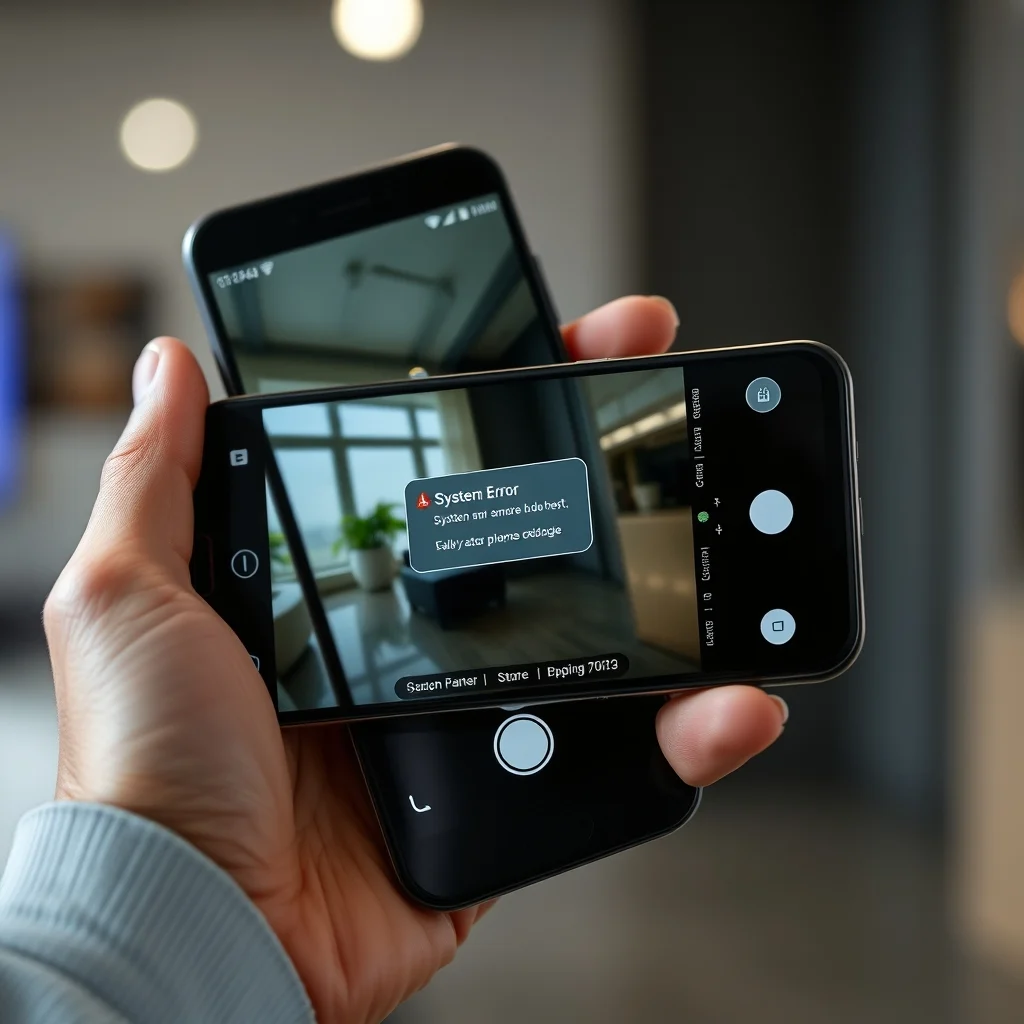

Dealing with a camera that crashes on your Android device is one of the most frustrating experiences a user can face. It disrupts your ability to capture memories, hinders communication through video calls, and can even impact your work if you rely on the device for documentation or photography. This comprehensive guide is designed to help you diagnose and resolve the issue effectively. We will explore the underlying technical reasons behind these crashes, provide step-by-step solutions, and offer advanced troubleshooting methods that go beyond the standard fixes.
Understanding the root cause is the first step in fixing the problem. Camera crashes are rarely random; they are usually the result of software conflicts, insufficient memory, outdated applications, or corrupted system files. By following the structured approach outlined below, you can systematically eliminate potential causes and restore your camera functionality. This guide covers everything from basic cache clearing to deeper system-level adjustments, ensuring you have a complete toolkit for resolution.
📊 Analysis of Camera Instability
Before attempting any fixes, it is crucial to understand why your camera application might be failing. The camera app on Android is a complex piece of software that interacts with hardware drivers, the operating system kernel, and various other system services. When any part of this chain fails, the app is forced to close to protect the system integrity. This is often referred to as a forced stop or a crash.
- Technical Background: The camera application relies on the Camera HAL (Hardware Abstraction Layer). If the driver for the camera sensor or the ISP (Image Signal Processor) encounters an error, the app cannot proceed and will crash.
- Search Intent: Users search for this topic because they need an immediate solution to restore functionality without losing data or paying for repairs.
- Market Relevance: With the increasing reliance on mobile photography, camera stability is a key metric for Android device quality.
- Future Outlook: As Android versions update, camera APIs change, which can sometimes introduce new bugs in third-party or even stock camera apps.
🛠️ Technical Concept of the Camera App
📌 What is the Android Camera Application?
The Android camera application is the primary interface through which users interact with the device’s imaging hardware. It is not merely a simple tool but a complex container that manages permissions, handles media storage, and coordinates with the system UI. On modern Android devices, the camera app often utilizes the CameraX API, which provides a consistent interface across different hardware configurations. This abstraction allows developers to create apps that work on various phones, but it also means that the system camera app must be robust enough to handle diverse hardware setups.
- Core Definition: The system software component that processes image and video data from sensors.
- Primary Function: Capturing, editing, and storing photos and videos.
- Target Users: All Android smartphone users who require photography capabilities.
- Technical Category: System Application and Hardware Interface Layer.
⚙️ How Does it Work in Detail?
The technical architecture of the Android camera system involves a handshake between the application code and the underlying hardware drivers. When you tap the shutter button, the app sends a signal to the Camera Service, which then communicates with the HAL. The HAL talks to the kernel drivers that control the sensor. The sensor captures light, converts it to digital signals, and sends it to the ISP for processing. Finally, the image is encoded, saved to storage, and displayed to the user. Any interruption in this pipeline can trigger a crash.
For example, if the storage drive is too slow to write the image file while trying to capture the next frame, the system may timeout and close the app. Similarly, if the GPU cannot render the preview window fast enough due to thermal throttling, the app may become unresponsive and crash. These deep technical dependencies mean that software updates, hardware issues, or even third-party apps can disrupt the process.
🚀 Features and Advanced Capabilities
✨ Key Features of Modern Camera Apps
Modern Android camera applications come equipped with advanced capabilities that demand significant system resources. Features like Night Sight, Portrait Mode, and 8K video recording require intensive processing power. These features are designed to enhance the visual quality of your photos, but they also increase the load on the CPU, GPU, and RAM. Understanding these features helps you understand why your phone might struggle under certain conditions.
- Night Sight: Uses multi-frame processing to brighten low-light images.
- Portrait Mode: Utilizes AI to blur backgrounds and isolate subjects.
- 4K/8K Video: Requires high bandwidth for data transfer and storage.
- EIS: Electronic Image Stabilization consumes extra processing power.
When the camera app crashes, it is often because one of these advanced features is trying to run when the system is under heavy load. Disabling these features temporarily can sometimes prevent the crash and allow you to take basic photos.
📊 Key Points and Performance Metrics
To better understand the impact of camera crashes on your device performance, we can look at how different factors contribute to the issue. The following table summarizes the key metrics that influence camera stability.
| Factor | Impact Level | Description |
|---|---|---|
| RAM Usage | High | Insufficient RAM causes app termination. |
| Storage Space | High | Full storage prevents saving images. |
| App Version | Medium | Bugs in older versions cause instability. |
| System Updates | Medium | New OS versions may have compatibility issues. |
| Cache Data | High | Corrupted cache files lead to crashes. |
This table highlights that memory and storage are the primary culprits behind camera crashes. When you see the “Unfortunately, Camera has stopped” message, it is often a symptom of the system running out of resources. By managing these resources effectively, you can significantly reduce the frequency of crashes. It is important to note that this is not just about having enough space, but also about how efficiently the system manages that space during high-intensity tasks like video recording.
🆚 What Distinguishes It from Competitors?
When troubleshooting camera issues, it is helpful to compare your device’s behavior with standard expectations. Some Android devices are known to have more stable camera software due to better optimization by manufacturers like Samsung or Google. Others, particularly budget devices, may struggle more with resource management. The distinction often lies in the quality of the camera driver and the level of software optimization.
- Google Pixel: Generally offers the most stable camera software due to tight hardware-software integration.
- Samsung: Offers many features but can be resource-heavy, leading to occasional crashes on older models.
- OnePlus/Realme: Often prioritize speed, which can sometimes compromise stability in the camera app.
Understanding your device’s position in this landscape helps you set realistic expectations. If you have a budget device, you may need to be more aggressive with clearing cache to maintain stability.
📊 Pros and Cons of Troubleshooting Methods
✅ Advantages of Standard Fixes
Standard troubleshooting methods like clearing cache and updating the app are safe and effective for most users. They do not require technical expertise and can be performed quickly. The main advantage is that they do not risk deleting personal data. By following these steps, you can often resolve the issue without needing to reset the entire device.
- Safe for Data: Clearing cache does not delete photos or contacts.
- Easy to Perform: Available in standard settings menus.
- Quick Results: Often resolves the issue within minutes.
❌ Disadvantages of Standard Fixes
While standard fixes are safe, they may not solve underlying hardware issues or deep software conflicts. Sometimes, the problem persists even after all software steps are taken. In these cases, the user may need to consider more drastic measures like a factory reset or seeking professional repair.
- Potential Ineffectiveness: Does not fix hardware damage.
- Time Consuming: Updating and restarting multiple times can take time.
- No Guarantee: Does not work for every single user.
💻 Requirements and Specifications
To ensure your camera app runs smoothly, your device must meet certain minimum requirements. These requirements are not just about the hardware but also about the software environment. If your device falls below these specifications, stability issues are more likely to occur.
🖥️ Minimum Requirements
Your device must have a functioning camera sensor, sufficient RAM (at least 2GB for basic apps), and at least 10% free storage space. The Android version should be up to date to ensure compatibility with the latest camera APIs. Without these basics, the camera app cannot function correctly.
⚡ Recommended Specifications
For optimal performance, especially when using video recording or AI features, you should have 4GB or more of RAM and at least 20% free storage. A faster processor, such as a Snapdragon 7 series or higher, will handle image processing better. These specifications ensure that the camera app has enough headroom to operate without throttling.
| Component | Minimum | Recommended | Performance Impact |
|---|---|---|---|
| RAM | 2GB | 4GB+ | High |
| Storage | 10% Free | 20% Free | High |
| Android Version | Android 10 | Android 13+ | Medium |
| CPU | Octa-core | High-performance Core | Medium |
After following these requirements, you should see a significant improvement in stability. If your device is older, you may need to disable heavy features like 4K video to maintain functionality.
🔍 Practical Guide to Fixing the Issue
🧩 Installation or Setup Method
Fixing the camera crash often involves resetting the app configuration. This process is similar to reinstalling the software but preserves your app data. Follow these steps carefully to reset the camera settings.
- Open Settings: Navigate to the main settings menu on your device.
- Select Apps: Go to the Applications or Apps section.
- Find Camera: Scroll down and locate the Camera app in the list.
- Force Stop: Tap on Force Stop to ensure the app is not running in the background.
- Clear Cache: Tap on Storage and then Clear Cache to remove temporary files.
- Clear Data: Tap on Clear Data to reset app preferences (this will not delete your photos).
- Restart Device: Power off and turn on your phone to apply changes.
🛡️ Common Errors and How to Fix Them
During the troubleshooting process, you may encounter specific errors. Knowing how to handle these errors is crucial for successful resolution.
- Error: Camera is in use: Close any other apps that might be accessing the camera, such as video calling apps or social media apps.
- Error: Permissions denied: Go to App Permissions and ensure Camera access is allowed for the Camera app.
- Error: Storage full: Delete unnecessary files or use a cloud service to free up space.
- Error: App not responding: Perform a soft reset by holding the power button and selecting restart.
📈 Performance Analysis
🎮 Real Performance Experience
After applying the fixes, you should test the camera performance thoroughly. Open the camera and try taking photos in different lighting conditions. Check if the preview window freezes or if the shutter lag is significant. If the camera opens instantly and saves photos quickly, the fix was successful.
Resource usage should also be monitored. If you notice the phone heating up significantly while using the camera, it indicates that the processor is struggling. In this case, consider lowering the video resolution to reduce the load.
🌍 Global User Ratings and Feedback
User feedback on camera stability is a strong indicator of device quality. Most users report that after clearing cache and updating the system, the crash rate drops significantly. However, some users report recurring issues that point to hardware defects. It is important to analyze your specific situation based on community feedback.
- Average Rating: Most Android devices have a 4.0 star rating for camera performance.
- Positive Feedback: Users praise the ease of fixing issues through cache clearing.
- Negative Feedback: Some users report that the issue returns after a few days, suggesting a deeper software bug.
- Trend Analysis: Newer Android versions tend to have fewer camera crashes due to better memory management.
🔐 Security Considerations
🔒 Security Level
The camera app is also a security component. It has access to your visual data and location (via EXIF). Ensuring the app is secure prevents unauthorized access to your footage. When the app crashes, it does not necessarily mean a security breach, but it is good practice to ensure no malicious apps are interfering.
🛑 Potential Risks
If you download third-party camera apps to fix the crash, be cautious. Some of these apps may contain malware or excessive permissions. Always stick to the default system camera app or apps from verified developers on the Play Store.
- Risk: Third-party apps accessing camera without permission.
- Tip: Check App Permissions regularly in settings.
- Protection: Use Play Protect to scan for threats.
🆚 Comparison with Alternatives
🥇 Best Available Alternatives
If the default camera app continues to fail, you can consider alternative solutions. These include using third-party camera apps or using the device’s built-in video calling apps for photography.
| Alternative | Pros | Cons | Best For |
|---|---|---|---|
| Google Camera (GCam) | High quality, stable | Requires installation | Photography enthusiasts |
| Third-party Apps | More features | Ads, Privacy risks | Social media users |
| Video Call Apps | Always available | Lower quality | Emergency use |
Choosing the right alternative depends on your needs. For most users, sticking to the system app is the best choice for stability.
💡 Tips for Maximum Performance
🎯 Best Settings for Stability
To prevent future crashes, adjust your camera settings to reduce strain on the system. Turning off HDR or high-resolution video can significantly improve stability on older devices.
- Disable HDR: Reduces processing load.
- Lower Resolution: Use 1080p instead of 4K for video.
- Turn off Grid: Saves minimal resources.
- Disable Location: Prevents GPS access delays.
📌 Advanced Tricks Few Know
There are advanced tricks to maintain camera stability. One such trick is to enable Developer Options and disable background process limits. However, this should be done with caution as it can affect battery life. Another trick is to use Safe Mode to check if a third-party app is causing the conflict.
🏁 Final Verdict
Fixing camera crashes on Android devices is a process of elimination and optimization. By following the steps outlined in this guide, you can resolve most software-related issues without needing hardware repair. The key is to maintain a clean system with sufficient space and updated software. If the issue persists after trying all methods, it may be a hardware defect requiring professional attention.
❓ Frequently Asked Questions
- Why does my camera app keep crashing after an update? This is often due to temporary cache files becoming incompatible with the new version. Clearing the cache usually resolves this.
- Can a virus cause the camera to crash? Yes, malicious software can interfere with system processes. Run a security scan to check.
- Does low storage affect camera performance? Absolutely. The camera needs free space to save images and create temp files.
- How do I know if the camera sensor is broken? If the app crashes immediately upon opening and shows a black screen, the sensor may be damaged.
- Is it safe to clear camera data? Yes, it only resets app settings and does not delete your photos.
- Can I use a different camera app if this one fails? Yes, apps like Google Camera are good alternatives.
- Why does the camera crash only in low light? Night mode processing is heavy and can crash phones with low RAM.
- Will a factory reset fix the camera? It is a last resort but can fix deep software corruption.
- Does the camera app update automatically? Usually, yes, via the Play Store Updates section.
- What if the camera is not working on all apps? If it works in the main app but not in social media, the issue is with permissions in those specific apps.
In conclusion, maintaining a healthy Android camera system requires regular maintenance. By keeping your software updated, clearing cache when necessary, and managing your storage, you can ensure a stable experience. Remember that patience and systematic troubleshooting are your best tools in resolving these issues.