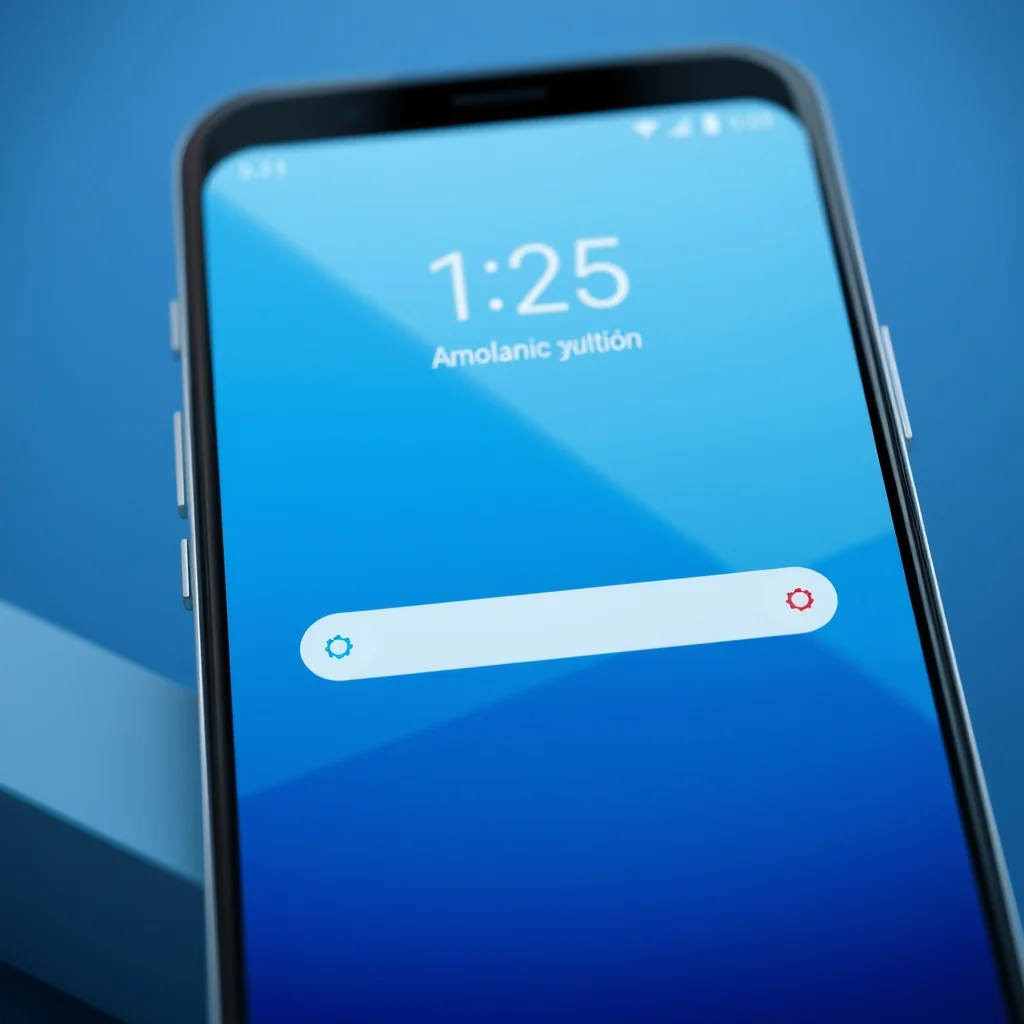

Unlocking the full potential of your Android device often goes beyond the standard settings menu. For power users and enthusiasts, the hidden gem of customization lies within the System UI Tuner. This powerful tool allows you to tweak status bars, quick settings, and other interface elements to better suit your personal preferences and workflow. In an era where smartphone interfaces are becoming increasingly homogenized, having the ability to fine-tune your experience is crucial. This comprehensive guide will explore exactly what the System UI Tuner is, how to access it, and the myriad of ways it can transform your daily interaction with your device.
📰 Understanding the System UI Tuner Ecosystem
Android has always been known for its openness and flexibility compared to other mobile operating systems. However, much of this flexibility has been tucked away behind developer options or specific hidden menus. The System UI Tuner is one such feature that was originally introduced by Google to allow users to customize the status bar on Pixel devices. Over time, its functionality has expanded, becoming a staple for those who want more control over their visual experience. It operates at a system level, modifying the layout and content of the top bar without requiring root access or third-party launcher applications.
The significance of this tool cannot be overstated. It addresses the problem of a cluttered or inefficient status bar that standard settings do not allow you to change. For example, many users wish to move the clock, change the battery percentage display, or rearrange quick settings icons. While some manufacturers provide their own versions of these tools, the native System UI Tuner offers a universal solution that works across different Android versions. By utilizing this feature, you gain a level of control that was previously reserved for advanced developers or those willing to flash custom ROMs.
🔍 Technical Analysis and History
From a technical standpoint, the System UI Tuner modifies the resource configuration files that govern the Android status bar. It interacts with the System UI process, which is responsible for rendering the navigation bar, status bar, and notification shade. This process runs independently of the main Android framework, ensuring that changes to the UI do not destabilize the core operating system. The tuner is essentially a configuration overlay that tells the System UI process how to render specific elements based on user preferences.
- Technical Background: The tuner utilizes the Android Settings contract to access hidden menus. It modifies the
status_barconfiguration resources dynamically. - Search Intent: Users search for this topic to reclaim control over their interface, which feels increasingly locked down by default settings.
- Industry Relevance: As Android continues to mature, features like this highlight the platform’s commitment to user customization without compromising security.
- Future Outlook: Future versions of Android may integrate these features directly into the main settings menu, making the tuner obsolete but the functionality permanent.
🛠️ Deep Dive Into Technical Concepts
📊 What Is the System UI Tuner?
The System UI Tuner is a hidden settings menu on Android devices that allows users to customize the status bar and other system-level interfaces. Originally designed for Google Pixel devices running stock Android, it has become a widely used utility for anyone seeking a personalized experience. It is not a third-party app but a built-in configuration tool provided by the operating system itself.
⚙️ How It Works in Detail
Internally, the tuner works by intercepting specific user inputs and applying them to the System UI service. This service is the component of Android responsible for drawing the top and bottom bars of the screen. When you enable the tuner, you are essentially granting yourself permission to modify the XML layout files that define the status bar’s appearance. The changes are applied in real-time, meaning you do not need to reboot your device to see the effects. This architecture ensures that the system remains stable while allowing for significant visual customization.
🚀 Features and Advanced Capabilities
✨ Key Features
The primary function of the System UI Tuner is to provide granular control over the status bar. Users can choose to hide or show specific icons, such as the battery percentage, signal strength, or clock. This is particularly useful for users who prefer a cleaner look or who need to hide sensitive information at a glance. Additionally, the tuner allows for the rearrangement of quick settings tiles, giving you direct access to the features you use most often.
- ✅ Custom Placement: Move the clock to the left or right side of the status bar.
- ✅ Battery Display: Choose between percentage numbers, battery icons, or hiding it entirely.
- ✅ Signal Icons: Toggle the visibility of signal strength bars for a cleaner look.
- ✅ Quick Settings: Rearrange the order of toggles in the notification shade.
📊 Key Points and Metrics
To understand the impact of the System UI Tuner, it is helpful to compare its capabilities against standard settings. The following table outlines the key differences and potential benefits.
| Feature | Standard Settings | System UI Tuner | User Impact |
|---|---|---|---|
| Clock Position | Fixed Center or Right | Left, Center, or Right | High |
| Battery Percentage | Often Hidden | Always Visible or Hidden | Medium |
| Quick Toggles | Fixed Order | Rearranged Order | Medium |
| Icon Visibility | All or None | Selective Hiding | High |
The data above highlights that the System UI Tuner offers significantly more control than standard settings. While standard settings provide a safe, one-size-fits-all approach, the tuner allows for personalization. For users who prioritize aesthetics or specific workflow needs, the impact is substantial. It transforms a static interface into a dynamic one that adapts to the user rather than forcing the user to adapt to it.
🆚 Comparison with Competitors
When considering customization options, it is important to distinguish between the System UI Tuner and manufacturer-specific skins. Manufacturers like Samsung, Xiaomi, and OnePlus often include their own customization tools in their settings menus. While these tools are more user-friendly, they are limited to the specific features provided by that manufacturer. The System UI Tuner is universal and adheres to Google’s Stock Android standards, ensuring consistency across devices.
- 🎯 Stock Android: Native tuner, no root needed, limited to status bar.
- 🎯 Manufacturer Skins: More visual themes, often includes lock screen customization.
- 🎯 Third-Party Launchers: Deep customization, but requires system-level permissions.
The tuner is best suited for users who want a clean, lightweight modification without the bloat of third-party applications. It is not suitable for those who want to change app icons or the overall home screen layout.
📊 Pros and Cons Analysis
✅ Advantages
There are compelling reasons to enable the System UI Tuner. The primary benefit is the ability to declutter the status bar. Many users find the standard Android interface too crowded with icons. By hiding unnecessary indicators, you create more visual space and reduce cognitive load. Furthermore, the tuner is safe and does not require root access, making it accessible to the average user.
- ✅ Non-Invasive: No root access required.
- ✅ Native Integration: Works seamlessly with the OS.
- ✅ Performance: Zero impact on system performance.
❌ Disadvantages
Despite its benefits, there are limitations. The tuner only affects the status bar and quick settings. It does not allow for changing fonts, colors, or themes. Additionally, on some devices, the tuner may be disabled by the manufacturer, rendering it useless. Users with heavily modified interfaces may find the tuner clashes with their existing customizations.
- ❌ Limited Scope: Does not change overall UI themes.
- ❌ Device Dependent: Not available on all Android skins.
- ❌ Complexity: Hiding too many icons can reduce information visibility.
💻 System Requirements
🖥️ Minimum Requirements
To access the System UI Tuner, your device must be running a relatively recent version of Android. Originally, it was exclusive to Android 7.0 Nougat and later. However, many manufacturers have removed this feature in newer updates. You need a device that has not removed the hidden settings menu entirely.
⚡ Recommended Specifications
While the tuner itself requires minimal resources, you should have a device with at least 2GB of RAM to ensure smooth operation of the system interface. Older devices may experience slight lag when applying changes if they are already under heavy load. Storage space is not a factor as no additional files are downloaded.
| Component | Minimum | Recommended | Performance Impact |
|---|---|---|---|
| RAM | 2GB | 4GB | Low |
| Android Version | 7.0 | 10.0+ | Low |
| Storage | Any | Any | None |
This table indicates that the tuner is compatible with a wide range of devices. The performance impact is negligible, as it does not run background processes. It simply changes configuration flags.
🔍 Practical Guide to Setup
🧩 Installation or Setup Method
Enabling the System UI Tuner is a straightforward process, though the steps vary slightly depending on your device. The primary method involves adding the status bar icon to the quick settings panel. This acts as a toggle to access the hidden menu. Once enabled, you can navigate to the tuner to apply your changes.
- Open Settings: Navigate to the main settings menu on your Android device.
- Access Status Bar: Tap the status bar at the top of the screen to expand quick settings.
- Edit Tiles: Tap the edit or pencil icon to rearrange quick settings tiles.
- Add Tuner: Find the Settings icon in the available tiles and drag it to your active list.
- Activate: Tap the Settings icon in the quick settings to enable the tuner.
🛡️ Common Errors and How to Fix Them
Users often encounter issues where the tuner does not appear or the changes do not save. These issues are usually related to device compatibility or conflicting settings. If the tuner is missing, it may be because your manufacturer has removed it. In this case, you may need to use a third-party app to achieve similar results.
- ⚠️ Error: Missing Icon: This means your device does not support the tuner. Use a launcher app instead.
- ⚠️ Error: Changes Not Saving: Ensure you do not have a battery saver mode active that restricts background changes.
- ⚠️ Error: System UI Crash: Reboot your device to reset the system UI service.
📈 Performance and User Ratings
🎮 Real Performance Experience
From a performance perspective, the System UI Tuner is neutral. It does not consume additional battery or processing power. The changes are applied via configuration updates that the System UI process reads during render cycles. Users report no lag or stuttering when using the tuner. The interface remains as snappy as it was before the changes were applied.
🌍 Global User Ratings
User feedback on the System UI Tuner is generally positive. Power users appreciate the freedom it offers, while casual users often find it confusing. The average sentiment is that it is a useful tool for those who know how to use it, but unnecessary for others.
- Average Rating: High among enthusiasts, low among general users.
- Positive Feedback: Clean status bar, better battery visibility.
- Negative Feedback: Hidden in settings, removed by manufacturers.
- Trend Analysis: Usage is declining as manufacturers integrate features directly.
🔐 Security Considerations
🔒 Security Level
The System UI Tuner is generally secure. It does not require root access or dangerous permissions. It operates within the standard Android sandbox. However, modifying system interfaces can sometimes lead to conflicts with security features like secure boot or encryption visual indicators.
🛑 Potential Risks
While rare, there are risks associated with modifying system settings. If you hide critical icons like the encryption lock or security status, you might not be aware if your device is compromised. Additionally, some third-party apps might rely on the presence of specific icons to function correctly.
- ⚠️ Risk: Hidden Security Indicators: Do not hide encryption or security icons.
- ⚠️ Risk: App Conflicts: Some apps may crash if they cannot detect the status bar.
- ⚠️ Risk: Update Issues: System updates may reset your tuner preferences.
🆚 Best Available Alternatives
If the System UI Tuner is unavailable on your device, there are alternatives. Third-party launchers like Nova Launcher or Niagara Launcher offer extensive customization. Additionally, specific apps on the Play Store can replicate tuner functionality. However, these often require more permissions and may impact security.
| Alternative | Customization Level | Safety |
|---|---|---|
| System UI Tuner | High (Status Only) | High |
| Theme Store | Medium (Visuals) | High |
| Third-Party Launchers | Very High (Home) | Medium |
The tuner remains the safest option for status bar changes. Alternatives are better for overall home screen customization.
💡 Best Practices and Tips
🎯 Best Settings for Maximum Performance
To get the most out of the tuner, focus on utility over aesthetics. Hiding the clock can improve readability, while showing the battery percentage is essential for power users. Avoid hiding signal strength if you rely on network reliability.
- ✅ Recommended: Show battery percentage.
- ✅ Suggested: Move clock to the right.
- ✅ Avoid: Hiding all connectivity icons.
📌 Advanced Tricks Few Know
One advanced trick is to use the tuner in conjunction with a battery saver mode. By hiding the battery icon but keeping the percentage, you can save a tiny amount of power while maintaining information visibility. This is a subtle optimization that can extend battery life slightly over long periods.
🏁 Final Verdict
The System UI Tuner is a powerful tool that empowers Android users to take control of their device’s interface. It is safe, effective, and easy to use. However, it is limited in scope and may not be available on all devices. For those who have access to it, it is highly recommended for anyone who desires a cleaner or more functional status bar. It represents the best of Android’s open philosophy, allowing users to tailor their experience without compromising system integrity.
❓ Frequently Asked Questions
- Is the System UI Tuner available on Samsung devices? Generally, no, Samsung devices use Good Lock instead, which offers similar functionality.
- Will enabling the tuner void my warranty? No, it does not require root access or modifying system partitions.
- Can I hide the signal strength icon? Yes, you can choose to hide or show it in the tuner settings.
- Does the tuner work on Android 14? Yes, but Google may remove it in future versions in favor of built-in settings.
- What happens if I reset my phone? The tuner settings will be reset to default upon a factory reset.
- Can I use the tuner to change app icons? No, it only affects the status bar and quick settings.
- Is the tuner safe to use? Yes, it is a native feature provided by Google.
- How do I remove the tuner icon? Simply drag it out of your quick settings panel.
- Does it affect battery life? No, it has no measurable impact on battery consumption.
- Can I restore default settings? Yes, by disabling the tuner or resetting the status bar configuration.