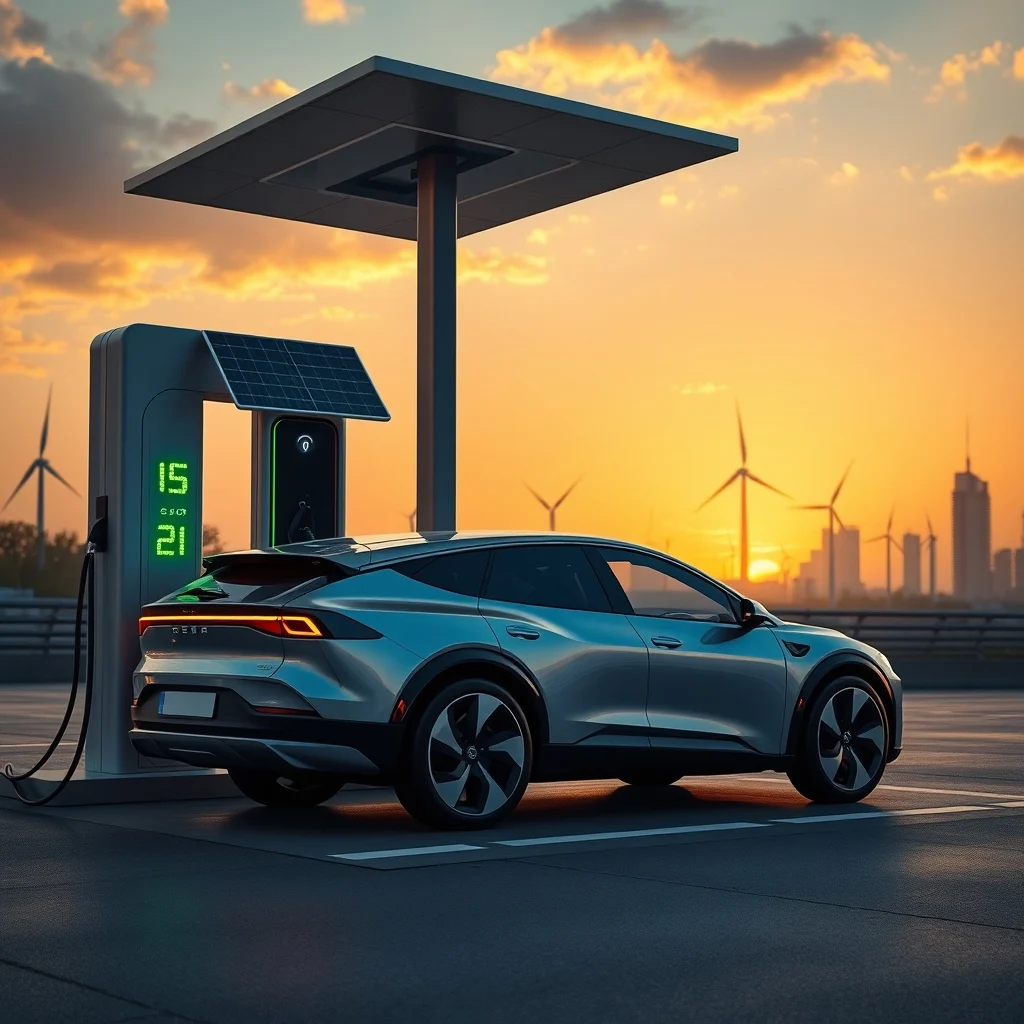

The automotive industry is undergoing a seismic shift as the world moves away from internal combustion engines toward electrification. This transition is not merely about swapping engines but represents a fundamental overhaul of transportation technology, energy consumption, and environmental stewardship. Electric vehicles are no longer a niche market but are becoming the standard for personal and commercial mobility. The core of this revolution lies in the rapid advancement of battery technology and the simultaneous expansion of charging infrastructure. As manufacturers strive to meet ambitious carbon neutrality goals, the focus intensifies on making electric vehicles more efficient, affordable, and convenient for the average consumer. This article explores the critical innovations driving this change and the significant hurdles that remain to be overcome.
🚀 Overview of the EV Revolution
The global shift toward electrification is propelled by a combination of regulatory pressure, environmental necessity, and technological maturity. Governments worldwide are implementing stricter emissions standards, which forces automakers to innovate or face penalties. Simultaneously, consumers are increasingly aware of the environmental impact of their transportation choices. This dual pressure has accelerated the development of electric vehicles, making them a viable alternative to traditional gasoline-powered cars. The current landscape is characterized by a diverse range of manufacturers, from established legacy automakers to agile new entrants who focus solely on battery electric vehicles.
Understanding the current state of the market is crucial for stakeholders ranging from investors to potential buyers. The technology has matured to the point where range anxiety is diminishing, although it remains a concern for some long-distance travelers. The integration of smart technologies and connectivity features further enhances the user experience, turning vehicles into mobile computing devices. This section provides a comprehensive look at the forces shaping the industry and the significance of these developments for the future of mobility.
🔹 Current Market Landscape
The electric vehicle market is currently experiencing exponential growth, with sales figures surpassing initial projections in many regions. This surge is driven by improved battery density, which allows for longer driving ranges on a single charge. Manufacturers are expanding their model lineups to include sedans, SUVs, and trucks, catering to a broader spectrum of consumer needs. The competition is fierce, with companies vying for market share through innovation in pricing, range, and performance. This competitive environment benefits consumers by driving down costs and improving the quality of available options.
🔹 Core Technologies Driving Growth
Several key technologies are underpinning the rapid expansion of the electric vehicle sector. Battery chemistry improvements are central to this progress, enabling higher energy storage capacity and faster charging speeds. Electric powertrains are becoming more efficient, reducing energy waste and extending the distance a vehicle can travel. Furthermore, the development of advanced software systems allows for over-the-air updates, keeping vehicles current with the latest features and safety improvements. These technological pillars work in tandem to create a product that is increasingly competitive with traditional combustion vehicles.
🔋 Breakthroughs in Battery Technology
Battery technology is the heart of the electric vehicle revolution, dictating range, charging speed, and overall cost. Recent advancements have moved beyond traditional lithium-ion chemistry to explore new materials and configurations. These innovations aim to address the limitations of current batteries, such as degradation over time and the reliance on scarce raw materials. The industry is actively researching solid-state batteries and other next-generation chemistries that promise to redefine performance standards.
The transition to more advanced battery systems is critical for achieving widespread adoption. Consumers need vehicles that can compete with gasoline cars in terms of convenience and reliability. As battery costs continue to decline, electric vehicles will become accessible to a wider demographic, further accelerating the transition away from fossil fuels. This section delves into the specific technological breakthroughs that are making this possible.
⚡ Solid-State Batteries Explained
Solid-state batteries represent the next frontier in energy storage technology. Unlike traditional lithium-ion batteries that use a liquid electrolyte, solid-state batteries utilize a solid electrolyte. This design change offers significant advantages, including higher energy density, faster charging capabilities, and improved safety by reducing the risk of thermal runaway. The solid electrolyte also allows for more compact battery designs, which can free up space within the vehicle for passengers or cargo.
Despite the potential benefits, solid-state batteries are currently in the development and early production phases. Manufacturing challenges and high production costs have slowed their widespread adoption. However, major automotive manufacturers are investing heavily in this technology, expecting it to become commercially viable in the near future. Once production scales up, solid-state batteries could become the standard for high-performance electric vehicles.
🧪 Lithium-Iron-Phosphate Advancements
Lithium-iron-phosphate batteries, often referred to as LFP, have gained significant traction due to their lower cost and longer lifespan. These batteries do not contain cobalt or nickel, which are expensive and often sourced from regions with ethical concerns regarding labor practices. LFP batteries are safer and more stable than other lithium-ion chemistries, making them ideal for entry-level and mid-range electric vehicles. Recent advancements have focused on improving the energy density of LFP batteries to make them competitive with nickel-based alternatives.
The use of LFP chemistry is particularly relevant for fleet vehicles and urban commuting, where frequent charging is common and extreme range is less critical. By reducing reliance on scarce materials, LFP batteries contribute to a more sustainable supply chain. As manufacturers continue to optimize these batteries, they are expected to play a major role in the mass adoption of electric mobility.
⚡ Charging Infrastructure Expansion
The availability of charging infrastructure is a critical factor in the success of electric vehicles. Without a reliable network of charging stations, consumers remain hesitant to make the switch to electrification. Governments and private companies are working to expand this network to ensure that electric vehicle owners can travel long distances without interruption. The focus is on creating a seamless charging experience that rivals the convenience of refueling a gasoline car.
Infrastructure development involves not just the installation of chargers but also the modernization of the electrical grid to handle increased demand. High-power charging stations, often referred to as superchargers, are being deployed along major highways to support long-distance travel. Regional policies and incentives are also driving the installation of chargers in residential and commercial areas. This section examines the current state of infrastructure and the plans for future expansion.
🏗️ Building the Supercharger Network
High-speed charging networks are essential for supporting long-distance travel. Supercharger networks provide rapid charging capabilities, allowing vehicles to recover significant range in a short period. These stations are strategically located along major travel corridors to minimize detours for drivers. The standardization of charging connectors and protocols is crucial for the interoperability of these networks, ensuring that any electric vehicle can use any charger.
Private companies are also competing to build proprietary networks, offering exclusive benefits to their customers. This competition drives innovation in charging speed and user experience. As the network expands, the reliability and availability of chargers improve, reducing the friction associated with electric vehicle ownership. Continued investment in this infrastructure is necessary to maintain momentum in the market.
🏘️ Residential Charging Solutions
For many electric vehicle owners, home charging is the primary method of refueling. Installing a home charger provides the convenience of waking up to a fully charged vehicle every morning. This setup requires specific electrical infrastructure, such as a dedicated circuit or a higher voltage outlet. Manufacturers are offering guidance and support to ensure safe and efficient installation for homeowners.
Apartment dwellers and those without private parking face unique challenges regarding home charging. Communities and landlords are beginning to implement shared charging solutions to address this gap. Smart charging technologies help manage the load on the electrical grid, preventing overloads during peak usage times. As urban planning evolves, residential charging infrastructure will become a standard feature of new developments.
🏭 Automaker Comparisons: Tesla vs. Rivian vs. Legacy
The electric vehicle market is populated by a diverse array of manufacturers, each with its own strategy and strengths. Tesla remains a dominant force, known for its extensive charging network and software integration. Rivian has carved out a niche in the adventure and utility sector, focusing on rugged vehicles designed for off-road use. Traditional automakers are rapidly transitioning their lineups to electrification, leveraging their manufacturing scale and dealer networks.
Understanding the differences between these players helps consumers make informed decisions based on their specific needs. Tesla offers a streamlined ecosystem, while Rivian provides specialized utility and design. Legacy automakers often offer familiar designs with proven reliability, transitioning their platforms to electric powertrains. This section compares the approaches of these key players and their impact on the market.
🥇 Tesla’s Ecosystem Dominance
Tesla has established itself as a leader in the electric vehicle space through technological innovation and brand loyalty. Their Supercharger network remains the gold standard for charging speed and reliability. The company’s software stack, including autonomous driving features, sets a benchmark for the industry. Tesla’s direct-to-consumer sales model allows for greater control over the customer experience and pricing.
However, competition is intensifying as other manufacturers catch up in terms of range and performance. Tesla continues to invest in battery manufacturing and artificial intelligence to maintain its lead. Their ability to scale production efficiently has allowed them to offer competitive pricing while maintaining profitability.
🚙 Rivian’s Adventure Focus
Rivian has positioned itself as a premium brand for outdoor enthusiasts. Their vehicles are designed with robust suspension and off-road capabilities, appealing to a specific demographic. The company has benefited from partnerships with major retailers and logistics firms, which has helped validate their utility and durability. Rivian’s focus on sustainability extends to their manufacturing processes and supply chain management.
While their production volume is lower than legacy automakers, Rivian’s brand identity is strong and distinct. They are exploring new battery technologies and expanding their model lineup to include smaller, more affordable vehicles. This diversification strategy aims to broaden their market reach while maintaining their core identity.
🏭 Traditional Automakers’ Transition
Legacy automakers like Ford, GM, and Volkswagen are leveraging their existing resources to compete in the electric vehicle market. They are transitioning their platforms to dedicated electric architectures, which offer better efficiency and packaging than converted internal combustion platforms. Their extensive dealer networks provide a support system for new electric vehicle owners.
These companies are investing heavily in battery production and charging partnerships to ensure long-term viability. Their scale allows them to produce vehicles at lower costs, potentially making electric mobility more accessible. The transition is complex and requires significant capital investment, but these companies are committed to the shift.
🌍 Environmental and Economic Impact
The widespread adoption of electric vehicles has profound implications for the environment and the global economy. Reducing carbon emissions is a primary goal, as transportation is a major contributor to greenhouse gases. Electric vehicles produce zero tailpipe emissions, which improves air quality in urban areas. The economic impact includes job creation in the green energy sector and reduced dependence on imported oil.
However, the environmental benefits depend on the source of electricity used to charge the vehicles. As the grid becomes greener, the carbon footprint of electric vehicles decreases. The economic implications also extend to the battery supply chain, which involves mining and processing critical minerals. This section analyzes the broader impacts of the transition to electrification.
🌱 Carbon Footprint Reduction
The primary environmental benefit of electric vehicles is the reduction of greenhouse gas emissions. Over the lifecycle of the vehicle, including manufacturing and disposal, electric vehicles typically emit less carbon than conventional cars. This advantage grows as the electricity grid incorporates more renewable energy sources. The reduction in emissions contributes to global efforts to combat climate change.
Battery recycling programs are being developed to minimize waste and recover valuable materials. Closed-loop recycling systems can reduce the need for new mining and lower the environmental impact of battery production. As these systems mature, the sustainability profile of electric vehicles will improve further.
💰 Economic Implications for Consumers
Electric vehicles offer potential cost savings for consumers through lower fuel and maintenance expenses. While the upfront purchase price may be higher, the lower operating costs can offset this difference over time. Government incentives and tax credits also play a role in making electric vehicles more affordable. The total cost of ownership is becoming increasingly competitive with gasoline vehicles.
Resale values for electric vehicles are stabilizing as consumer awareness grows and battery technology improves. The volatility of fuel prices also makes electric vehicles an attractive hedge against rising energy costs. As the market matures, financing options and insurance rates will continue to evolve to support the adoption of this technology.
🛠️ Installation and Setup Method
Setting up an electric vehicle ecosystem involves more than just purchasing the car. It requires planning for charging infrastructure and ensuring electrical compatibility. Homeowners need to assess their electrical capacity and consider the installation of a dedicated charging station. This process ensures safe and efficient charging without straining the home’s electrical system.
Public infrastructure planning involves coordination between utilities, governments, and private operators. Strategic placement of chargers maximizes accessibility and usage. This section outlines the steps for setting up a home charging solution and the considerations for broader infrastructure planning.
🔧 Home Charger Installation Steps
Installing a home charger begins with an assessment of the electrical panel and wiring. A qualified electrician should evaluate the system to determine if upgrades are necessary. The selection of the charger unit depends on the vehicle’s charging capabilities and the owner’s preferences. Installation involves mounting the unit and connecting it to the electrical supply.
Once installed, the charger must be configured to work with the vehicle and any smart home systems. Proper grounding and safety protocols are essential to prevent electrical hazards. Regular inspections ensure that the system remains in good working condition. Following these steps guarantees a reliable and safe charging setup.
🏗️ Public Infrastructure Planning
Public charging infrastructure requires careful planning to ensure adequate coverage and capacity. Locations are selected based on traffic patterns and demand from electric vehicle drivers. Collaboration with local authorities ensures that installations comply with zoning and safety regulations. The grid must be upgraded to handle the increased load from high-power chargers.
Future planning involves anticipating the growth in electric vehicle adoption and scaling infrastructure accordingly. Smart grid technologies can help balance the load and integrate renewable energy sources. Effective planning ensures that the charging network remains robust and accessible as the market grows.
📊 Performance Metrics Analysis
| Feature | Standard EV | Next-Gen EV | Performance Impact |
|---|---|---|---|
| Range | 250 miles | 400+ miles | Reduced range anxiety |
| Charging Speed | 150 kW | 350 kW | Faster refueling times |
| Battery Life | 8 years | 12+ years | Longer vehicle lifespan |
| Cost per Mile | $0.06 | $0.04 | Lower operating costs |
The table above highlights the significant improvements expected in next-generation electric vehicles. Increased range and faster charging speeds directly address the primary concerns of potential buyers. Longer battery life reduces the frequency of replacements, lowering the total cost of ownership. Lower operating costs make electric vehicles more attractive compared to traditional cars. These performance metrics indicate a clear trajectory toward greater efficiency and convenience.
✅ Advantages and ❌ Disadvantages
👍 Advantages of Electric Vehicles
Electric vehicles offer numerous benefits that make them an attractive option for modern drivers. The environmental impact is a primary advantage, with zero tailpipe emissions contributing to cleaner air. Lower operating costs result from reduced fuel expenses and minimal maintenance requirements. Performance is often superior, with instant torque providing quick acceleration. These factors combine to create a compelling value proposition for consumers.
- ✅ Zero Emissions – Improves local air quality.
- ✅ Lower Operating Costs – Cheaper fuel and maintenance.
- ✅ High Performance – Instant torque and smooth acceleration.
- ✅ Energy Independence – Reduces reliance on imported oil.
👎 Disadvantages of Electric Vehicles
Despite the advantages, electric vehicles face challenges that hinder widespread adoption. The upfront cost remains higher than comparable gasoline vehicles, although this gap is narrowing. Charging infrastructure is still developing, particularly in rural areas. Battery production relies on critical minerals that raise environmental and ethical concerns. These issues must be addressed to accelerate the transition.
- ⚠️ Higher Initial Cost – Purchase price is often premium.
- ⚠️ Charging Time – Slower than refueling a gas tank.
- ⚠️ Range Limitations – Still lower than some gas vehicles.
- ⚠️ Infrastructure Gaps – Charging stations are unevenly distributed.
💡 Tips for Future EV Owners
🎯 Best Settings for Maximum Performance
Optimizing your electric vehicle settings can enhance efficiency and range. Regenerative braking settings should be adjusted based on driving habits to recover maximum energy. Climate control usage impacts range significantly, so pre-conditioning the vehicle while plugged in is recommended. Tire pressure should be maintained at the manufacturer’s recommended level to reduce rolling resistance.
- 🎯 Pre-conditioning – Heat or cool the car while charging.
- 🎯 Regenerative Braking – Maximize energy recovery.
- 🎯 Tire Pressure – Keep tires inflated for efficiency.
- 🎯 Speed Management – Avoid excessive speeding.
📌 Advanced tricks few know
There are lesser-known tricks that can improve the electric vehicle experience. Using navigation systems that integrate charging stops can optimize routes for efficiency. Scheduled charging allows owners to take advantage of lower electricity rates during off-peak times. Battery preconditioning before fast charging ensures the battery is at the optimal temperature for rapid energy absorption.
Understanding the vehicle’s energy consumption patterns helps drivers adjust their behavior to extend range. Many manufacturers offer apps that provide detailed insights into driving habits and energy usage. Leveraging these tools can significantly improve the overall ownership experience.
🆚 Alternatives and Competitors
While electric vehicles are the primary focus, other alternatives exist in the mobility landscape. Hybrids offer a bridge technology for those not ready for full electrification. Hydrogen fuel cell vehicles are another option, particularly for commercial applications. Each alternative has its own set of advantages and challenges. Understanding these options helps consumers make the best choice for their specific needs.
🥇 Best Available Alternatives
| Vehicle Type | Best For | Key Benefit |
|---|---|---|
| Hybrid | Long-distance travel | No range anxiety |
| Plug-in Hybrid | Short commutes | Electric capability |
| Hydrogen Fuel Cell | Commercial fleets | Fast refueling |
The choice between alternatives depends on driving patterns and infrastructure availability. Hybrids are ideal for those who frequently travel long distances without access to chargers. Plug-in hybrids offer a compromise for those with short commutes but need range for trips. Hydrogen fuel cells are promising for heavy-duty transport where batteries may be too heavy.
🏁 Final Verdict
The future of electric vehicles is bright, driven by technological innovation and global demand for sustainability. Battery advancements and infrastructure expansion are addressing the key barriers to adoption. While challenges remain, the trajectory is clear toward a more electrified transportation system. Consumers who invest in electric vehicles today are positioning themselves for a cleaner and more efficient future.
The transition requires continued investment and cooperation between governments, manufacturers, and utilities. As the technology matures, electric vehicles will become the norm rather than the exception. This shift represents a significant step forward in addressing climate change and energy security.
❓ Frequently Asked Questions
- What is the typical range of a modern electric vehicle?
Most modern electric vehicles offer a range between 250 and 400 miles on a single charge, depending on the model and battery size. - How long does it take to charge an electric vehicle?
Charging time varies from 30 minutes for a fast charge to 8 hours for a full overnight charge at home. - Are electric vehicles cheaper to maintain?
Yes, electric vehicles generally require less maintenance due to fewer moving parts and no oil changes. - What happens to old electric vehicle batteries?
Old batteries are recycled to recover valuable materials or repurposed for energy storage applications. - Can I charge an electric vehicle in the winter?
Yes, but cold weather can reduce range. Pre-conditioning the battery while plugged in helps maintain performance. - Are there tax credits for buying an electric vehicle?
Many governments offer tax credits and incentives to encourage the purchase of electric vehicles. - Is the electricity grid ready for mass EV adoption?
Grid upgrades are underway to handle increased demand, but regional readiness varies. - How does battery degradation affect resale value?
Battery degradation is slow, and warranties often cover capacity loss, maintaining resale value. - Can I install a charger in an apartment?
Some apartments offer shared charging, but installation depends on building policies and electrical capacity. - What is the most sustainable type of electric vehicle battery?
LFP batteries are considered more sustainable due to the absence of cobalt and nickel.