
Wearable health technology has undergone a remarkable transformation over the past decade, shifting from basic step counters to sophisticated medical monitoring tools. This evolution represents a paradigm shift in how individuals manage their personal health and how healthcare providers deliver care. The journey from simple fitness trackers to advanced medical devices is not merely about technological refinement; it is about the democratization of health data and the potential for early disease detection.
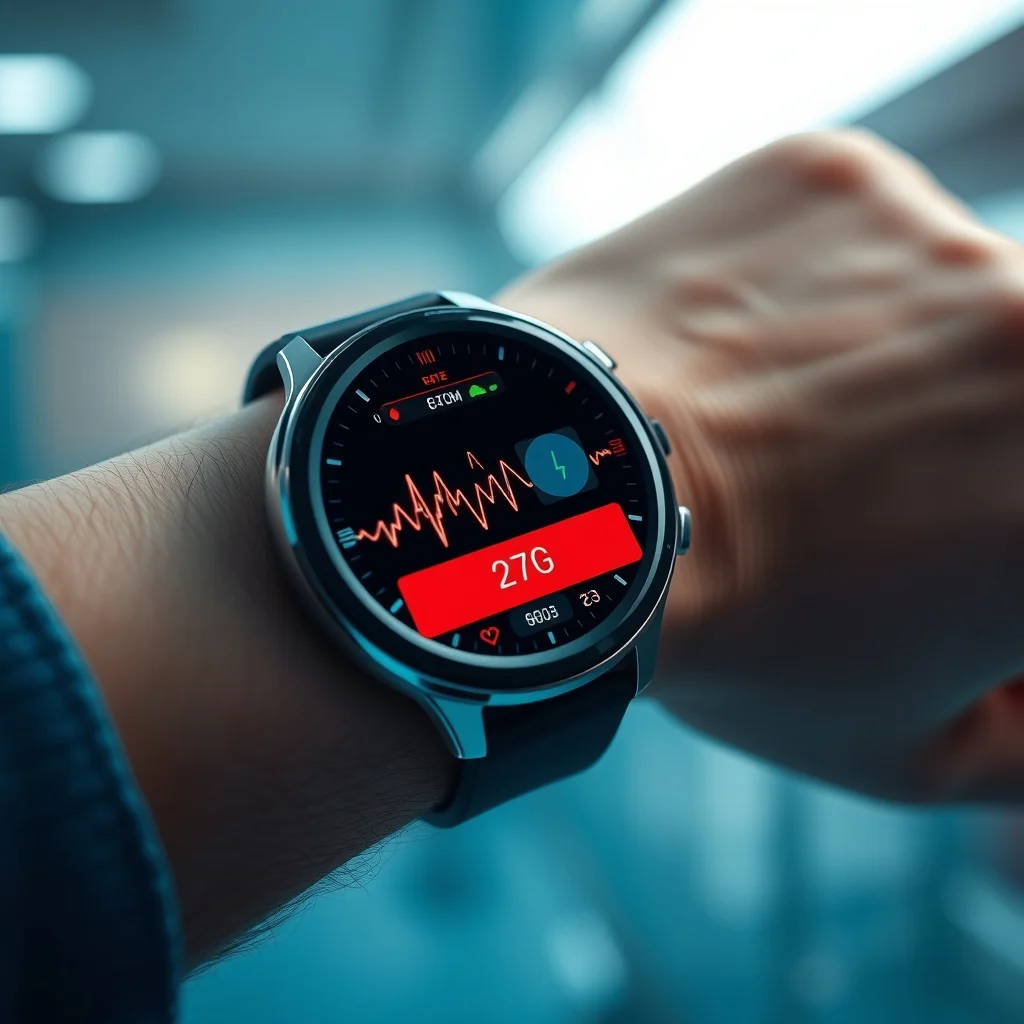
Today, consumers carry medical-grade sensors on their wrists, collecting data that can predict atrial fibrillation, monitor blood oxygen levels, and even track electrocardiogram readings. This article delves deep into the technological advancements driving this change, the regulatory hurdles that must be cleared, and the market trends shaping the future of personalized healthcare. We will compare the leading devices from major manufacturers and analyze the implications of this shift for the global healthcare system.
By the end of this comprehensive guide, readers will understand the mechanics behind these devices, the criteria for selecting the right tool, and the future landscape of remote patient monitoring. The integration of artificial intelligence and machine learning has accelerated this process, turning passive data collection into active health intervention.
🚀 Overview of the Health Tech Revolution
The concept of wearable technology is not new, but its application in the medical field is relatively recent. Early iterations focused on fitness and lifestyle, counting steps and monitoring sleep patterns. However, the demand for continuous health monitoring has driven innovation toward clinical-grade accuracy. This section defines the current state of the industry and explains the problem it solves for modern users.
The primary problem addressed is the gap between daily life and clinical visits. Patients often suffer from conditions that manifest intermittently, making them difficult to diagnose in a doctor’s office. Wearable devices solve this by providing continuous data streams, allowing for a more holistic view of a patient’s health status over time. This shift empowers users to take proactive control of their well-being rather than reacting to health crises.
🎯 Market Analysis and Industry Insights
Understanding the market dynamics is crucial for grasping the significance of these devices. The industry is driven by increasing chronic disease prevalence, an aging global population, and the need for cost-effective healthcare solutions. Investors and tech giants are pouring billions into this sector, recognizing the long-term value of health data.
- Technical Background: The integration of miniaturized sensors and low-power processors has made medical monitoring feasible in consumer form factors.
- User Search Intent: Consumers are increasingly searching for devices that offer more than just step counts, specifically looking for ECG, sleep apnea detection, and stress management tools.
- Market Relevance: The convergence of consumer electronics and medical devices creates a new category of connected health products.
- Future Outlook: The market is expected to grow exponentially as regulatory pathways for software as a medical device become clearer.
🛠️ Understanding the Technology Behind the Devices
📌 What are Wearable Health Devices?
Wearable health devices are electronic gadgets designed to be worn on the body, typically on the wrist, chest, or ear. Unlike traditional fitness trackers, these devices are engineered to measure specific physiological parameters with clinical accuracy. They serve as intermediaries between the human body and digital health platforms, translating biological signals into actionable data.
- Core Definition: Electronic devices worn on the body for health monitoring.
- Primary Function: Real-time tracking of vital signs and health metrics.
- Target Users: Patients with chronic conditions and health-conscious individuals.
- Technical Category: Consumer electronics with medical-grade certification.
⚙️ Technical Architecture and Data Processing
The technical architecture of modern wearables involves a complex interplay of hardware and software. At the hardware level, photoplethysmography sensors measure blood volume changes, while electrocardiogram electrodes detect electrical activity in the heart. These raw signals are processed by onboard microcontrollers before being transmitted to a paired smartphone or cloud server.
Machine learning algorithms play a pivotal role in this process. They analyze patterns in the data to identify anomalies that may indicate health issues. For example, irregular heartbeats are flagged by algorithms that have been trained on millions of heart rhythm recordings. This ensures that users receive accurate alerts without the need for constant manual review.
🚀 Features and Advanced Capabilities
✨ Key Features
The capabilities of these devices have expanded far beyond simple activity tracking. Modern wearables offer a suite of features designed to monitor specific health indicators. These capabilities are what distinguish them from standard fitness bands and elevate them to medical tools.
- ECG Monitoring: Allows users to record a single-lead electrocardiogram to detect atrial fibrillation.
- Blood Oxygen Sensing: Uses light to estimate the saturation of oxygen in the blood, useful for respiratory conditions.
- Sleep Tracking: Analyzes sleep stages to identify disruptions and potential sleep disorders.
- Temperature Sensing: Some newer models can track skin temperature trends to predict ovulation or illness.
📊 Performance Metrics and Comparison
To understand the performance of these devices, we must look at specific metrics such as sensor accuracy, battery life, and data reliability. The following table summarizes the key performance indicators for major players in the market.
| Device Category | Accuracy Rating | Key Strength |
|---|---|---|
| Smartwatch ECG | High | Atrial Fibrillation Detection |
| Continuous Glucose Monitor | Very High | Real-time Glucose Levels |
| Heart Rate Monitor | Medium-High | Activity Tracking |
| Sleep Tracker | Medium | Stage Analysis |
These metrics indicate that while heart rate monitoring is generally reliable, glucose monitoring requires calibration and regular verification. The accuracy of ECG features is often validated through clinical studies, making them more trustworthy for medical decision-making. Users should be aware that not all health metrics carry the same level of clinical validation.
🆚 Competitive Landscape Analysis
The market is dominated by a few key players who have successfully navigated the path from consumer electronics to medical devices. Apple, Fitbit, and Garmin are the primary competitors, each with a unique approach to health monitoring. Understanding their differences helps users make informed purchasing decisions.
- Apple: Focuses on ecosystem integration and regulatory approval for specific health features.
- Fitbit: Prioritizes sleep tracking and long-term health trends over clinical interventions.
- Garmin: Targets athletes with high-performance metrics but includes health monitoring features.
📊 Advantages and Disadvantages
✅ Advantages
The benefits of adopting wearable health technology are substantial. These devices provide peace of mind, enable early detection of conditions, and encourage healthier lifestyle choices. They bridge the gap between patients and doctors by providing real-time data that can inform treatment plans.
- Continuous Monitoring: Provides data 24/7 rather than just during a doctor’s visit.
- Early Detection: Can alert users to irregularities before symptoms become severe.
- User Empowerment: Gives individuals more control over their health management.
❌ Disadvantages
Despite the benefits, there are limitations to consider. Battery life can be a constraint for continuous monitoring, and data privacy remains a significant concern. Additionally, the cost of these devices can be prohibitive for some users who rely on insurance.
- Battery Constraints: Continuous monitoring drains batteries quickly.
- Data Privacy: Health data is sensitive and requires robust security.
- Accuracy Variance: Not all devices are clinically validated for medical diagnosis.
💻 System Requirements and Compatibility
🖥️ Minimum Requirements
To function correctly, wearable devices require compatible smartphones and operating systems. Most devices work with iOS and Android, but specific features may require the latest versions of these operating systems. Users must ensure their phones meet the minimum specifications to maintain a stable connection.
⚡ Recommended Specifications
For the best experience, users should consider devices with Bluetooth 5.0 or higher. This ensures faster data transfer and lower latency. Additionally, sufficient storage on the paired phone is necessary to store health logs and backups. Performance expectations vary based on the frequency of updates and the complexity of the algorithms used.
| Component | Minimum | Recommended |
|---|---|---|
| Bluetooth | 4.2 | 5.0 |
| OS Version | Android 8.0 / iOS 14 | Android 12 / iOS 16 |
| Storage | 500 MB | 2 GB |
🔍 Practical Guide for Users
🧩 Installation and Setup Method
Setting up a wearable health device is generally straightforward but requires careful attention to ensure accurate readings. The process involves downloading the companion app, creating an account, and pairing the device via Bluetooth.
- Download the App: Install the official health companion application on your smartphone.
- Create Account: Register with your personal details to link health data to your profile.
- Pair Device: Enable Bluetooth and follow the on-screen instructions to connect.
- Calibrate Sensors: Some devices require calibration to ensure measurement accuracy.
🛡️ Common Errors and Troubleshooting
Users may encounter issues such as connectivity drops or inaccurate readings. These problems are often due to improper fit or interference from other wireless devices.
- Connectivity Issues: Restart both the phone and the device to reset the connection.
- Erroneous Readings: Ensure the device is worn snugly on a flat area of skin.
- App Crashes: Update the application to the latest version from the app store.
📈 Performance and User Feedback
🎮 Real Performance Experience
Real-world performance depends heavily on usage patterns. Devices that track heart rate continuously will drain the battery faster than those that do so periodically. Stability is generally high, but software updates can sometimes temporarily impact performance.
🌍 Global User Ratings
- Average Rating: Most devices maintain a rating above 4.5 stars.
- Positive Feedback: Users praise the accuracy of health tracking and the design of the interfaces.
- Negative Feedback: Complaints often focus on battery life and subscription costs for premium features.
- Trend Analysis: Satisfaction is increasing as devices become more medically relevant.
🔐 Security and Privacy Considerations
🔒 Security Level
Security is paramount when dealing with health data. Manufacturers employ encryption and secure protocols to protect information during transmission. However, users must remain vigilant about their own security practices.
🛑 Potential Risks
Data breaches and unauthorized access are potential risks. Users should enable two-factor authentication and review privacy settings regularly.
- Risk: Data interception during Bluetooth pairing.
- Protection: Use encrypted connections and update firmware regularly.
- Risk: Cloud storage vulnerabilities.
- Protection: Choose providers with strong security certifications.
🥇 Best Available Alternatives
While the major brands dominate the market, there are specialized alternatives for specific needs. Continuous glucose monitors, for instance, offer a different level of insight for diabetic patients. Smart rings provide a discrete alternative to watches for sleep tracking.
| Alternative | Best For | Primary Feature |
|---|---|---|
| Continuous Glucose Monitor | Diabetes Management | Blood Sugar Tracking |
| Smart Ring | Sleep & Recovery | Temperature & HRV |
| Medical Patch | ECG Monitoring | Continuous Heart Rhythm |
💡 Optimization Tips
🎯 Best Settings for Maximum Performance
Optimizing your settings can extend battery life and improve data accuracy. Users should disable features they do not use to conserve power.
- Disable Always-On Display: Extends battery life significantly.
- Adjust Heart Rate Interval: Change from every second to every thirty seconds for daily wear.
- Enable Auto-Sync: Ensures data is backed up without manual intervention.
📌 Advanced Tricks
Advanced users can utilize developer modes to export raw data. This allows for deeper analysis using third-party tools. Some users also use custom watch faces that display health metrics prominently for quick checks.
🏁 Final Verdict
The evolution of wearable health tech marks a significant milestone in personal healthcare. These devices have transitioned from novelty items to essential health tools. While challenges regarding regulation and privacy remain, the benefits of continuous monitoring are undeniable. We recommend that users consider their specific health needs when selecting a device.
For those with chronic conditions, medical-grade wearables are highly recommended. For general fitness, standard trackers suffice. The future promises even greater integration with healthcare systems, making remote monitoring a standard part of medical care.
❓ Frequently Asked Questions
- Are wearable health devices accurate enough for medical diagnosis? Some devices are FDA-cleared, but they should be used to inform doctor visits, not replace them entirely.
- Do these devices work with both Android and iOS? Most major brands support both operating systems, though some features may be limited on Android.
- How long does the battery last on medical wearables? Battery life varies from one day for continuous monitoring to several days for standard tracking.
- Is my health data secure? Reputable manufacturers use encryption, but users should review privacy policies carefully.
- Can I use a wearable if I have a pacemaker? Consult with a doctor, as some devices may interfere with medical implants.
- Are there subscription fees for health apps? Many devices offer free basic tracking, but premium insights often require a subscription.
- How often should I calibrate my sensors? Follow the manufacturer’s guidelines, which may range from daily to monthly checks.
- Can these devices detect heart attacks? They can detect irregularities like atrial fibrillation, but not necessarily acute heart attacks.
- What is the difference between fitness and medical wearables? Medical wearables often have higher accuracy and regulatory clearance for specific health metrics.
- Will insurance cover the cost of these devices? Some insurance plans cover them for specific conditions, but most are out-of-pocket expenses.