
The integration of Artificial Intelligence (AI) into computers has revolutionized the way we interact with technology. With AI-powered computers, users can experience enhanced performance, improved efficiency, and innovative features that were previously unimaginable. In this article, we will delve into the world of AI-powered computers, exploring their capabilities, benefits, and potential applications.
🔍 Introduction to AI-Powered Computers
AI-powered computers are designed to learn, adapt, and improve over time, enabling them to perform complex tasks with greater accuracy and speed. These computers utilize advanced algorithms and machine learning techniques to analyze vast amounts of data, identify patterns, and make informed decisions. As a result, AI-powered computers have become an essential tool for various industries, including healthcare, finance, and education.
📊 Key Features of AI-Powered Computers
So, what makes AI-powered computers so unique? Some of the key features include advanced natural language processing, computer vision, and predictive analytics. These features enable AI-powered computers to understand and respond to voice commands, recognize images and objects, and forecast future trends and patterns. Additionally, AI-powered computers can automate repetitive tasks, freeing up users to focus on more creative and strategic endeavors.
🤖 AI-Powered Computer Hardware
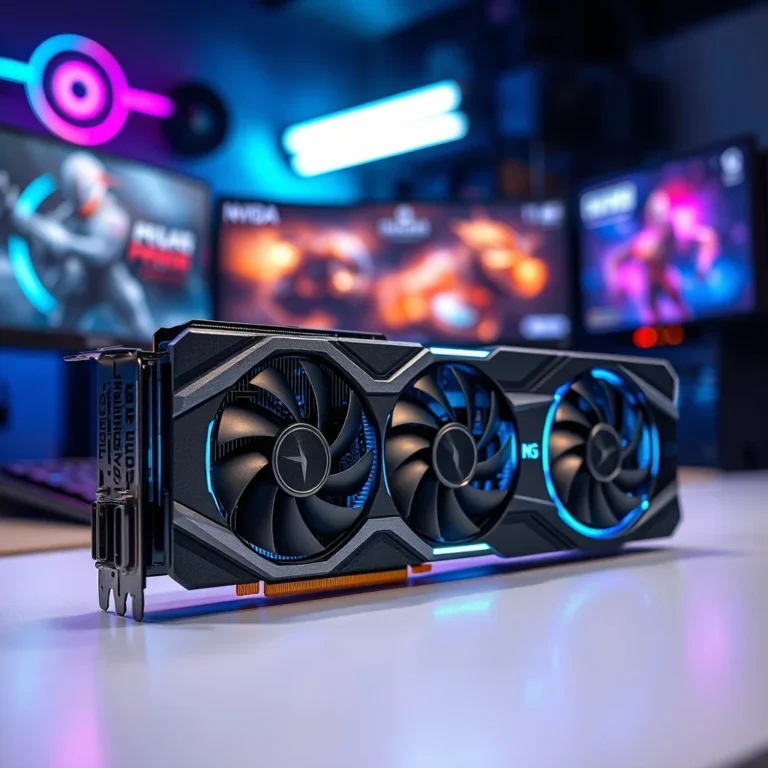
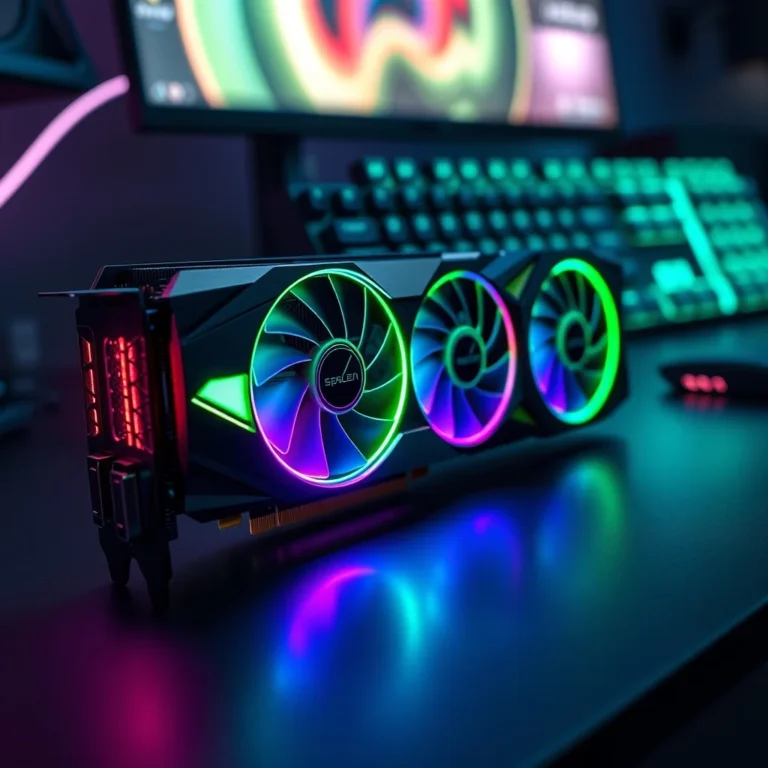
The development of specialized AI-powered computer hardware has been instrumental in driving the growth of this technology. Graphics Processing Units (GPUs), Tensor Processing Units (TPUs), and Field-Programmable Gate Arrays (FPGAs) are just a few examples of the customized hardware designed to support AI workloads. These hardware components provide the necessary processing power, memory, and bandwidth to handle the complex computations required for AI applications.
🚀 Applications of AI-Powered Computers
The applications of AI-powered computers are vast and diverse, ranging from virtual assistants and self-driving cars to medical diagnosis and financial forecasting. In the field of healthcare, AI-powered computers can analyze medical images, diagnose diseases, and develop personalized treatment plans. In finance, AI-powered computers can detect fraudulent transactions, predict stock prices, and optimize investment portfolios.
📈 AI-Powered Computer Performance
One of the most significant advantages of AI-powered computers is their ability to improve performance over time. As these computers learn and adapt to new data, they can refine their algorithms and optimize their performance. This enables AI-powered computers to tackle complex tasks with greater speed and accuracy, making them an essential tool for applications that require real-time processing and decision-making.
📊 Pros and Cons of AI-Powered Computers
While AI-powered computers offer numerous benefits, they also present some challenges and limitations. On the positive side, AI-powered computers can automate repetitive tasks, improve accuracy, and enhance decision-making. However, they also require significant amounts of data, computational resources, and expertise to develop and maintain. Additionally, AI-powered computers can be vulnerable to bias, errors, and cyber threats, which must be addressed through robust testing, validation, and security protocols.
🔒 AI-Powered Computer Security
Ensuring the security and integrity of AI-powered computers is crucial, as they often handle sensitive and confidential data. To mitigate potential risks, developers and users must implement robust security measures, such as encryption, access controls, and intrusion detection systems. Regular software updates, patching, and testing are also essential to prevent vulnerabilities and exploits.
👥 Future of AI-Powered Computers
As AI technology continues to evolve, we can expect to see even more innovative applications and use cases for AI-powered computers. From smart homes and cities to autonomous vehicles and robots, the potential for AI-powered computers to transform our lives and societies is vast. However, it is essential to address the challenges and limitations of AI-powered computers, such as bias, explainability, and job displacement, to ensure that their benefits are equitably distributed and their risks are mitigated.
🤝 Collaboration and Knowledge Sharing
To realize the full potential of AI-powered computers, collaboration and knowledge sharing among researchers, developers, and users are essential. By working together, we can develop more advanced AI algorithms, improve the accuracy and reliability of AI models, and create more effective AI-powered computer systems. Additionally, open-source initiatives and community-driven projects can help promote transparency, accountability, and inclusivity in the development and deployment of AI-powered computers.
📚 Conclusion and Recommendations
In conclusion, AI-powered computers have the potential to revolutionize various aspects of our lives, from healthcare and finance to education and entertainment. To harness the benefits of AI-powered computers, it is essential to invest in AI research and development, promote AI literacy and education, and address the challenges and limitations of AI-powered computers. By working together and embracing the opportunities and challenges of AI-powered computers, we can create a brighter, more sustainable future for all.
By following the guidelines and recommendations outlined in this article, users can unlock the full potential of AI-powered computers and stay ahead of the curve in this rapidly evolving field. Whether you are a seasoned AI expert or just starting to explore the world of AI-powered computers, this comprehensive guide provides the knowledge, insights, and practical advice you need to succeed in this exciting and rapidly changing landscape.